
Skincare Formulation Trends: PDRN, Exosomes & Ectoin
The Shift Toward Science-Driven Skincare
The skincare industry is undergoing a fundamental shift. Consumers - educated by social media, dermatologists on TikTok, and ingredient-focused brands - now demand products backed by real science, not marketing mythology. The era of "miracle cream" claims without substantiation is ending.
For brands launching in 2026, this creates both challenge and opportunity. The challenge: you can't compete with basic hyaluronic acid and vitamin C anymore. The opportunity: next-generation actives offer genuine efficacy differentiation that consumers are willing to pay premium prices for.
This guide covers the most important active ingredients shaping premium skincare formulation, their mechanisms, and what brands need to know about sourcing and formulating with them.
PDRN (Polydeoxyribonucleotide)
What It Is
PDRN skincare technology uses a polymer derived from DNA fragments - specifically, purified deoxyribonucleic acid with a molecular weight of 50-1,500 kDa. Originally developed for wound healing in medical settings, it has crossed into cosmetics as a regenerative-positioning ingredient whose claims still need cosmetic substantiation.
Mechanism of Action
- Cell proliferation: Activates A2A purinergic receptors, stimulating fibroblast growth and collagen synthesis
- Anti-inflammatory: Reduces IL-6 and TNF-α inflammatory markers
- Tissue regeneration: Provides nucleotide building blocks for DNA repair
- Hydration: Water-binding capacity similar to hyaluronic acid
Why It's Trending
Korean clinics popularized PDRN through "salmon DNA" injections. The topical cosmetics application is now gaining global traction because it offers measurable anti-aging results beyond basic moisturization. Clinical studies show improved skin elasticity, reduced wrinkle depth, and enhanced skin barrier function.
Formulation Considerations
- pH stability range: 4.0-7.0 (compatible with most cosmetic formulations)
- Heat sensitive: incorporate below 40°C in cold-process or late addition
- Recommended concentration: 0.01-0.1% for cosmetic use
- Synergistic with: niacinamide, peptides, hyaluronic acid
- Source quality matters enormously - purification method affects both efficacy and safety
Plant Exosomes
What They Are
Exosomes are nanoscale vesicles (30-150nm) that cells release for intercellular communication. Plant-derived exosomes - particularly from ginseng, green tea, aloe vera, and citrus - carry bioactive molecules including RNA, proteins, lipids, and metabolites that can interact with human skin cells.
Mechanism of Action
- Enhanced delivery: Their lipid bilayer structure allows fusion with cell membranes, delivering cargo directly into cells
- Anti-oxidant: Carry plant-derived antioxidant compounds
- Anti-inflammatory: Modulate inflammatory pathways in skin cells
- Collagen stimulation: Ginseng exosomes specifically shown to upregulate collagen Type I expression
Why They're Revolutionary
The fundamental problem in skincare has always been delivery - getting actives past the stratum corneum and into living skin cells. Exosomes are nature's own delivery vehicles. They solve the penetration problem biologically rather than mechanically or chemically.
Formulation Challenges
- Stability: exosomes are fragile biological structures; temperature and pH extremes destroy them
- Characterization: standardizing exosome preparations requires specialized equipment (NTA, cryo-TEM)
- Concentration: effective concentration depends on source and preparation method
- Regulatory: novel ingredient in many jurisdictions; may require special filing
- Cost: current extraction methods are expensive, limiting to premium products
Manufacturers with patent-protected extraction and purification methods - such as ultra-pure solid membrane technology - can deliver standardized, stable plant exosome preparations suitable for commercial cosmetics.
Ectoin
What It Is
Ectoin barrier-care technology uses 1,4,5,6-tetrahydro-2-methyl-4-pyrimidinecarboxylic acid, an extremolyte produced by bacteria that survive in high-stress environments such as salt lakes, hot springs, and arctic ice. In a cosmetic brief, the useful question is how that protective mechanism translates into a stable formula and supportable barrier-care claims.
Mechanism of Action
- Kosmotropic effect: Organizes water molecules around cell structures, creating a protective hydration shell
- Membrane stabilization: Protects cell membranes from stress damage without altering their function
- DNA protection: Shields DNA from UV-induced damage (proven at molecular level)
- Anti-aging: Reduces UVA-induced skin aging markers by up to 90% in clinical studies
- Anti-inflammatory: Inhibits UV-induced Langerhans cell depletion
Clinical Evidence
Ectoin has robust clinical data - a significant advantage over many trending ingredients. Studies demonstrate:
- 100% reduction in UV-induced skin roughness vs. control (in-vivo)
- Significant reduction in transepidermal water loss
- Measurable improvement in skin barrier integrity
- Prevention of inflammaging (chronic low-grade inflammation from environmental stress)
Formulation Advantages
- Extremely stable: heat-resistant, pH-tolerant (pH 2-12), compatible with virtually all cosmetic ingredients
- Water-soluble: easy to incorporate into aqueous phase
- Recommended concentration: 0.5-2.0% for cosmetic use
- Non-irritating: suitable for sensitive skin formulations
- Natural origin: produced via fermentation (biotechnology)
Ergothioneine: The Longevity Molecule
What It Is
Ergothioneine is a naturally occurring amino acid with exceptional antioxidant properties. Found in mushrooms and produced via microbial fermentation, it's sometimes called "the longevity vitamin" because blood levels correlate with lifespan in multiple studies.
Why It's Special
- Dedicated transporter: Human cells have a specific transporter protein (OCTN1/ETT) that actively accumulates ergothioneine - suggesting evolutionary importance
- Mitochondrial protection: Accumulates in mitochondria, protecting cellular energy production
- Superior antioxidant: Does not become pro-oxidant at high concentrations (unlike vitamin C)
- Stability: Unlike most antioxidants, ergothioneine is remarkably stable in formulation
Skincare Applications
- Anti-photoaging: protects against UVA-induced oxidative damage
- Anti-pollution: neutralizes free radicals from PM2.5 and environmental stressors
- Barrier repair: supports skin barrier recovery after damage
- Anti-wrinkle: protects collagen and elastin from oxidative degradation
S-Pro-Xylane (S-Hydroxypropyl Tetrahydropyrantriol)
What It Is
S-Pro-Xylane is a synthetic molecule inspired by the wood sugar xylose. It's a proven anti-aging active that stimulates glycosaminoglycan (GAG) synthesis in the dermis - essentially rebuilding the "scaffolding" that gives skin its firmness and volume.
Mechanism of Action
- GAG stimulation: Increases proteoglycan synthesis in dermal fibroblasts
- Dermal-epidermal junction (DEJ) reinforcement: Strengthens the connection between dermis and epidermis
- Anti-gravity effect: Restores dermal density lost with aging
- Clinical proof: Extensive studies showing wrinkle reduction, firmness improvement, and skin thickness increase
Formulation Notes
- Oil-soluble: typically incorporated into oil phase
- Effective at 2-5% concentration (higher than many actives)
- Stable molecule: tolerates standard cosmetic processing conditions
- Compatible with retinol, peptides, and most active ingredient systems
Probiotic-Derived PDRN: The Next Frontier
The latest innovation combines probiotic fermentation with PDRN technology. By extracting polynucleotides from Lactobacillus bulgaricus rather than salmon sperm (traditional PDRN source), manufacturers create:
- Vegan-friendly PDRN (no animal-derived ingredients)
- Enhanced anti-inflammatory properties from probiotic metabolites
- Better biocompatibility with human skin cells
- Combined soothing and regenerative benefits
This intersection of biotechnology and dermatology represents where premium skincare is heading - ingredients that are both scientifically validated and ethically sourced.
How to Source These Ingredients for Your Brand
Key Considerations
- Patent coverage: Many of these actives are covered by production or application patents. Work with a manufacturer who holds relevant patents or has licensing agreements.
- Purity and standardization: The difference between cheap and premium versions of these ingredients is significant. Ask for COAs with purity specifications.
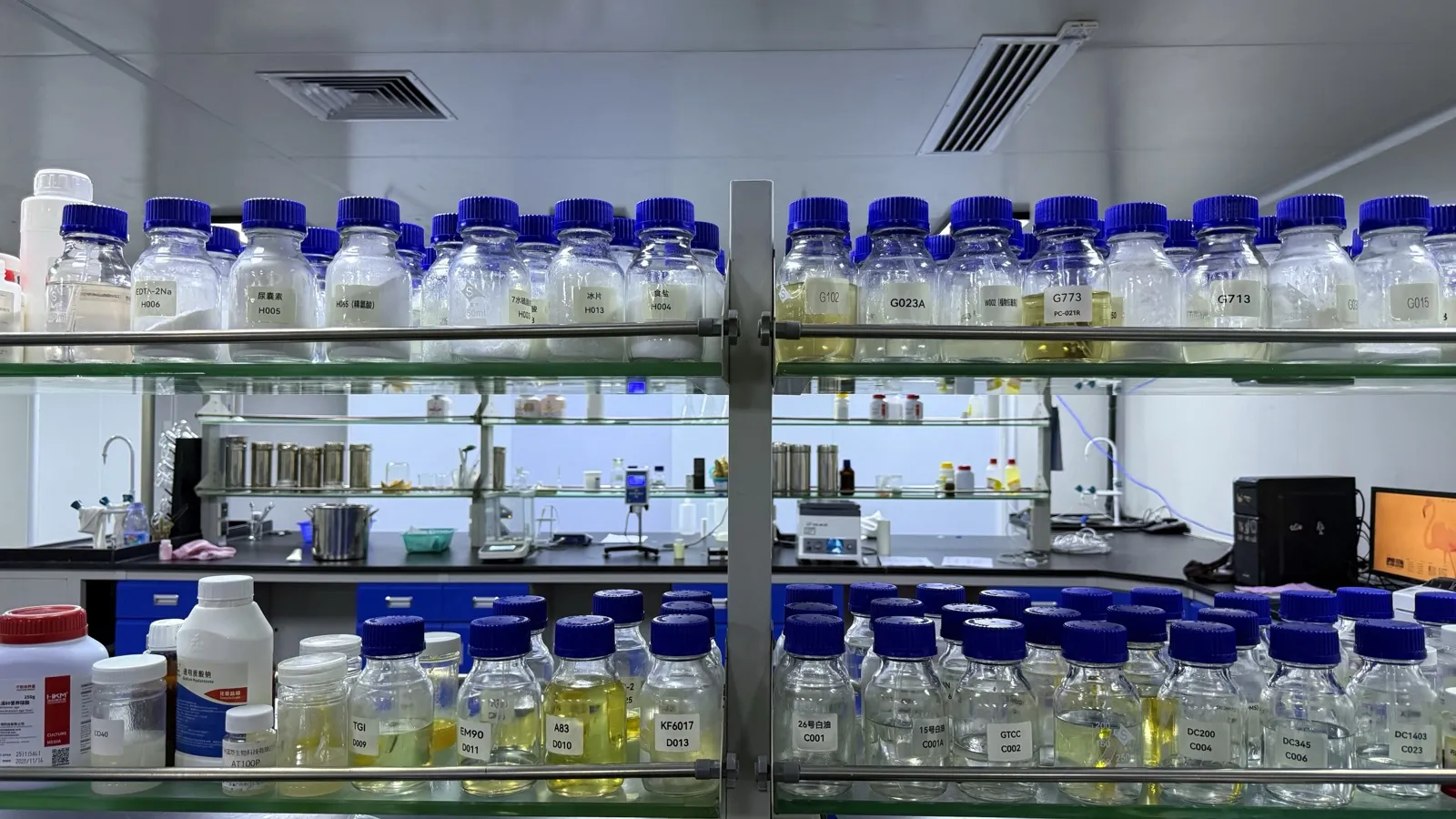
- Formulation expertise: These actives require specific formulation conditions. A manufacturer with experience formulating them - typically an ODM partner rather than a basic OEM factory - avoids costly stability failures.
- Regulatory support: Some ingredients (particularly exosomes) may be classified as "novel" in certain markets. You need regulatory navigation.
- Efficacy testing: Premium claims require clinical validation. Your manufacturer should offer or coordinate efficacy testing programs.
Why Manufacturer Choice Matters More for Advanced Actives
For basic ingredients (glycerin, shea butter, hyaluronic acid), virtually any competent manufacturer can formulate effectively. For next-generation actives like PDRN, exosomes, and ectoin, manufacturer capability is decisive because:
- Processing conditions (temperature, pH, timing) affect active stability
- Delivery systems (supramolecular technology, liposomes, encapsulation) determine whether actives actually reach target cells
- Quality control requires specialized analytical equipment
- Patent protection ensures you're using genuine, properly produced actives - not degraded generics
Many of these actives are already available in our ready-to-brand formulations. For hydration, our multi-molecular hyaluronic acid serum and hyaluronic acid hydrating mask deliver layered moisture. For brightening, see our glutathione brightening serum and niacinamide dark-spot serum. For soothing and repair, our centella repair serum and snail mucin repair serum pair well with peptide and ceramide systems, while our collagen hydrogel eye patches target the delicate eye area.
Supramolecular Delivery Technology: Making Actives Work Better
Having a powerful active ingredient is only half the equation. The other half - arguably more important - is delivery. Without effective delivery technology, even the most potent actives remain on the skin surface, unable to reach target cells where they can actually produce biological effects.
The Penetration Problem
Human skin evolved specifically to keep foreign molecules out. The stratum corneum - the outermost skin layer - is an exceptionally effective barrier consisting of dead corneocytes embedded in a lipid matrix. Most cosmetic actives are either too large (molecular weight above 500 Da), too hydrophilic, or too unstable to penetrate this barrier effectively in standard formulations.
Traditional approaches to enhancing penetration include chemical enhancers (alcohols, surfactants), physical methods (microneedling, iontophoresis), and lipid-based carriers (liposomes, niosomes). Each has significant limitations: chemical enhancers can irritate, physical methods require devices, and conventional liposomes are often unstable in formulation.
How Supramolecular Systems Solve This
Supramolecular chemistry creates organized molecular structures through non-covalent interactions - hydrogen bonding, van der Waals forces, and hydrophobic effects. In skincare, this means engineering delivery vehicles that:
- Encapsulate actives in protective shells that prevent degradation during storage (critical for unstable molecules like retinol and vitamin C)
- Mimic skin lipid structures to facilitate fusion with the stratum corneum barrier
- Release actives at target depth through pH-responsive or enzyme-responsive mechanisms
- Improve aqueous solubility of lipophilic actives without organic solvents
- Enable sustained release over hours rather than rapid bolus delivery that overwhelms cells
Practical Impact on Product Performance
Brands formulating with supramolecular delivery technology can achieve:
- Lower active concentrations with equivalent or superior efficacy (reducing raw material cost)
- Improved stability - extending shelf life and eliminating the need for airless packaging in some cases
- Reduced irritation - controlled release avoids the high initial concentration spike that causes sensitivity with actives like retinol
- Substantiated clinical claims that competitors using standard formulation cannot match
- Patent-protected product differentiation that is genuinely difficult to replicate
Peptide Complexes: Beyond Basic Matrixyl
Peptides remain one of the most commercially important active categories in anti-aging skincare, but the landscape has evolved dramatically beyond early-generation peptides like Matrixyl (palmitoyl pentapeptide-4) and Argireline (acetyl hexapeptide-3).
Signal Peptides
Signal peptides mimic the body's natural cell-signaling molecules, instructing fibroblasts to produce more collagen, elastin, or glycosaminoglycans. Key examples:
- Palmitoyl Tripeptide-1 + Palmitoyl Tetrapeptide-7 (Matrixyl 3000): Stimulates collagen I, III, and IV synthesis while suppressing interleukin-6 (anti-inflammatory)
- Copper Tripeptide-1 (GHK-Cu): Multi-functional - stimulates collagen, promotes wound healing, has antioxidant and anti-inflammatory properties. One of the most evidence-backed peptides available.
- Palmitoyl Tripeptide-38 (MATRIXYL Morphomics): Targets syndecan-1 to stimulate extracellular matrix components, including collagen types I, III, and IV, fibronectin, and hyaluronic acid simultaneously
Neurotransmitter-Inhibiting Peptides
These peptides reduce facial muscle micro-contractions that contribute to expression lines - sometimes marketed as topical Botox alternatives (though their mechanism and potency differ significantly from injectable neurotoxins):
- Acetyl Hexapeptide-3 (Argireline): Inhibits SNARE complex formation, reducing neurotransmitter release at the neuromuscular junction
- Pentapeptide-18 (Leuphasyl): Mimics enkephalin to reduce catecholamine release, complementing Argireline mechanism
- Dipeptide Diaminobutyroyl Benzylamide Diacetate (Syn-Ake): Snake venom peptide mimetic - antagonizes nicotinic acetylcholine receptors
Carrier Peptides
Carrier peptides deliver trace elements (typically copper) to skin cells, supporting enzymatic processes essential for skin repair:
- GHK-Cu: The most studied carrier peptide - over 70 published studies demonstrating wound healing, anti-aging, and anti-inflammatory effects
- Manganese Tripeptide-1: Delivers manganese to support superoxide dismutase activity (antioxidant defense)
Formulation Challenges with Peptides
- Stability: Peptides are susceptible to hydrolysis and oxidation. pH must be carefully controlled (most peptides are stable at pH 4.0-6.0), and exposure to metals, light, and oxygen must be minimized.
- Penetration: Peptides are generally hydrophilic and struggle to penetrate the lipophilic stratum corneum. Lipophilic modifications (palmitoylation) or delivery systems are essential.
- Concentration: Most peptides are active at very low concentrations (0.001-0.01%), but achieving those concentrations at the target depth requires effective delivery.
- Compatibility: Some peptides are incompatible with certain preservatives, low pH environments (vitamin C formulations), or oxidizing agents.
- Cost: High-purity peptides from reputable suppliers are expensive - a key reason why effective peptide serums cannot be cheap.
The concentration point above is where most anti-aging quotes fall apart in practice. A percentage on a quotation can refer to the trade solution as supplied or to the pure peptide it contains, and the two readings differ by orders of magnitude at the same stated number. We set out how to read those figures, and the dosage tiers we work to, in our guide to peptide dosage tiers for anti-aging and firming OEM.
The stability point has a format answer as well as a formulation one. Hydrolysis needs water to happen, so holding a peptide system as a dried cake and pairing it with a separate solvent removes the degradation pathway rather than slowing it down, which is why our Skin Repair Freeze-Dried Serum Set pairs small-molecule peptides with hyaluronic acid in that format. The same logic applies to a multi-active treatment course, where each step can be dried separately instead of forced into one compatible pH: our Multi-Effect Treatment Freeze-Dried Set is built around that. Both run at a higher MOQ and a longer lead time than an aqueous serum, so the format is worth it when the active is the constraint, not as a positioning device.
Fermented Ingredients: The Microbiome Era
The skin microbiome revolution has transformed how formulators think about skincare actives. Rather than simply delivering molecules to skin cells, the latest approaches support and leverage the skin microbial ecosystem.
Fermentation Lysates and Filtrates
Fermentation breaks down large molecules into smaller, more bioavailable fragments while producing beneficial metabolites:
- Galactomyces Ferment Filtrate: Popularized by SK-II (Pitera), this yeast ferment delivers vitamins, amino acids, minerals, and organic acids in highly bioavailable form
- Bifida Ferment Lysate: Probiotic-derived ingredient that strengthens skin barrier function and reduces sensitivity
- Lactobacillus Ferment: Produces lactic acid and bacteriocins that support healthy microbiome balance while providing mild exfoliation
- Saccharomyces Ferment Filtrate: Rich in beta-glucans, amino acids, and B vitamins - promotes cell renewal and barrier repair
Postbiotics
Postbiotics are the metabolic byproducts of probiotic organisms - the beneficial compounds produced during fermentation rather than the live organisms themselves. For cosmetics, postbiotics offer significant advantages over live probiotics:
- Stability: postbiotics are heat-stable and preservative-compatible (live probiotics are not)
- Regulatory clarity: not classified as living organisms, avoiding complex regulatory pathways
- Consistent efficacy: standardized metabolite profiles ensure batch-to-batch consistency
- Formulation flexibility: compatible with a wide range of cosmetic bases and active ingredients
Why Microbiome-Focused Ingredients Are Growing
Consumer awareness of the skin microbiome has exploded, driven by:
- Published research linking microbiome disruption to acne, eczema, rosacea, and premature aging
- Consumer fatigue with strip and treat approaches that damage the skin barrier
- Growing demand for gentle, barrier-supportive products that work with skin biology rather than against it
- K-beauty and J-beauty influence - fermented skincare has been mainstream in Asia for decades and is now gaining global traction
Building a Next-Generation Product Line: Strategy Guide
For brands looking to incorporate these advanced actives into a cohesive product line, strategic thinking about ingredient selection, product architecture, and market positioning is essential.
Ingredient Layering Strategy
Not all actives should go into one product. Effective product lines are designed so ingredients work synergistically across multiple steps:
- Step 1 (Cleanser/Toner): Microbiome-supporting ingredients - gentle surfactants, postbiotics, low-concentration ectoin for barrier prep
- Step 2 (Serum/Treatment): High-potency actives - PDRN, peptide complexes, plant exosomes delivered via supramolecular technology
- Step 3 (Moisturizer): Barrier reinforcement - ectoin, ceramides, ergothioneine for protection and sustained hydration
- Step 4 (Sunscreen): Prevention - ergothioneine and ectoin complement UV filters by neutralizing breakthrough free radicals
This layered approach creates a logical routine where each product builds on the previous one - encouraging consumers to purchase multiple SKUs rather than a single product.
Pricing Strategy for Advanced Actives
Products formulated with next-generation actives command premium pricing, but the premium must be justified through:
- Transparent ingredient communication: Consumers paying $60-120 for a serum expect to know exactly what they are getting and why it matters. Ingredient story-telling is essential.
- Clinical evidence: At premium price points, consumers and retailers expect clinical studies demonstrating measurable efficacy.
- Visible results: Texture, absorption, immediate skin feel, and 4-8 week visible improvements must all deliver. Advanced actives that produce no perceptible difference will not generate repurchase regardless of underlying science.
- Packaging quality: Premium actives in cheap packaging creates cognitive dissonance. Packaging material, weight, and design must match the price tier.
Claims Strategy
Different markets have different rules about what you can claim:
- US: Cosmetic claims must be structure/function only (not drug claims). Supporting data is strongly recommended but not technically required for cosmetics.
- EU: Claims must be truthful, substantiated, and compliant with EU Claims Regulation (EC 655/2013). Common criteria: clear and understandable, supported by adequate evidence.
- Korea: Functional cosmetics category allows stronger claims (whitening, anti-wrinkle, UV protection) but requires separate registration with additional testing.
- China: Special-use cosmetics require extensive registration testing for claims related to whitening, anti-wrinkle, sun protection, and hair growth. General cosmetics have limited allowed claims.
Your ODM manufacturing partner should advise on claims strategy aligned with your target market regulatory framework - and provide or coordinate the testing needed to substantiate those claims.
In some categories the claim wording constrains the formula more than the active level does. Cooling and warming products are the clearest case: the same menthol level reads as a cosmetic or as an unapproved drug depending on the verb on the label, which is why we scope soothing and sensitive skin briefs from the claim backwards rather than from the percentage.
Comparative Ingredient Analysis: Cost vs Performance
Understanding the cost-performance relationship of advanced actives helps brands make informed formulation investment decisions. Not every product needs the most expensive ingredients - strategic allocation creates the strongest overall product line.
Cost Tiers of Advanced Actives
- Tier 1 (Accessible premium - $50-200/kg): Ectoin, niacinamide derivatives, advanced hyaluronic acid (multi-molecular weight), centella asiatica extract standardized fractions. These ingredients offer strong clinical evidence at reasonable cost - ideal for building brand credibility without extreme pricing.
- Tier 2 (Mid-premium - $200-1,000/kg): Signal peptides (Matrixyl 3000), ergothioneine, bakuchiol, tranexamic acid, polyglutamic acid. Strong performance with growing consumer recognition. Good balance of differentiation and margin.
- Tier 3 (Ultra-premium - $1,000-10,000/kg): PDRN (pharmaceutical grade), plant exosomes, GHK-Cu (high purity), S-Pro-Xylane, proprietary peptide complexes. These command the highest retail prices and create the strongest differentiation - but require premium positioning and clinical substantiation to justify cost.
Ingredient Selection Decision Matrix
| Tier | Raw material cost | Representative actives | What it buys you | What it demands of you |
|---|---|---|---|---|
| Tier 1, accessible premium | $50-200/kg | Ectoin, niacinamide derivatives, multi-molecular-weight hyaluronic acid, standardized centella asiatica fractions | Strong clinical evidence at reasonable cost; brand credibility without extreme pricing | Little; these are the safe foundation of a range |
| Tier 2, mid-premium | $200-1,000/kg | Signal peptides (Matrixyl 3000), ergothioneine, bakuchiol, tranexamic acid, polyglutamic acid | Good balance of differentiation and margin, with growing consumer recognition | Some consumer education for the less familiar names |
| Tier 3, ultra-premium | $1,000-10,000/kg | Pharmaceutical-grade PDRN, plant exosomes, high-purity GHK-Cu, S-Pro-Xylane, proprietary peptide complexes | The strongest differentiation and the highest retail prices | Premium positioning and clinical substantiation to justify the cost |
Raw material cost is per kilogram of active, not per unit of finished product, so a Tier 3 active at a low use level often adds less to your cost of goods than the tier label suggests. Ask for the cost contribution at your intended use level rather than reading across from the price per kilo.
When selecting actives for your product line, evaluate each candidate against four criteria:
- Consumer awareness: Do consumers know and search for this ingredient? High awareness (retinol, vitamin C, niacinamide) drives demand without education investment. Low awareness (ergothioneine, S-Pro-Xylane) requires marketing spend to explain value.
- Clinical evidence depth: How many peer-reviewed studies support efficacy claims? Strong evidence (ectoin: 20+ clinical studies) enables confident marketing. Weak evidence creates regulatory risk.
- Formulation compatibility: How easily does the ingredient work in your product type? Some actives require specific pH, temperature, or delivery systems that constrain formulation choices.
- Supply chain reliability: Is the ingredient consistently available at consistent quality? Novel ingredients from single-source suppliers carry supply risk. Established actives from multiple suppliers offer security.
Recommended Starting Portfolio
For a brand launching its first advanced skincare line, a pragmatic approach combines proven performers with one or two differentiating actives:
- Foundation ingredients (every product): Ectoin + ceramides + multi-weight hyaluronic acid - proven barrier support and hydration at accessible cost
- Hero active (signature serum): PDRN or plant exosomes with proprietary delivery - creates your primary differentiation story and justifies premium pricing. Before you commit two or more hero actives to one bottle, check whether they can share a pH window at all; we cover that decision in what to settle before briefing a serum manufacturer.
- Supporting actives (targeted treatments): Signal peptides, ergothioneine, or ferment filtrates - add depth to the product line without requiring every SKU to carry ultra-premium ingredient cost
This tiered approach means your hero product carries the innovation story (and the highest margin), while supporting products deliver solid performance at more accessible price points - capturing customers at multiple budget levels. For detailed pricing of manufacturing these formulations, see our complete MOQ and cost guide.
Ingredient Trend Forecast: What Is Coming Next
Beyond currently trending actives, several ingredient categories are in early-stage development and likely to reach commercial cosmetics within 2-3 years:
mRNA Skincare
Building on mRNA vaccine technology, researchers are exploring topical mRNA delivery to instruct skin cells to produce specific proteins (collagen, elastin, growth factors). Still largely in research phase, but early patents are being filed.
Synthetic Biology Ingredients
Engineered microorganisms producing complex molecules through precision fermentation - enabling sustainable, consistent supply of rare natural ingredients at scale. Examples include lab-grown squalane, synthetic spider silk proteins for skin barrier, and bio-identical ceramides.
Senolytic Actives
Compounds that selectively clear senescent cells (zombie cells that accumulate with age and secrete inflammatory factors). Topical senolytics could fundamentally change anti-aging skincare by removing damaged cells rather than just stimulating healthy ones.
AI-Optimized Formulations
Machine learning applied to formulation development - predicting ingredient interactions, stability, and efficacy computationally before physical testing. This accelerates development timelines and enables exploration of novel ingredient combinations that human formulators might not consider.
Disclaimer: Pricing ranges are estimates based on 2026 market conditions and may vary depending on order volume, formula complexity, packaging specifications, and manufacturer capabilities. Contact us for a custom quote tailored to your specific requirements.
Conclusion
The 2026 skincare market rewards brands that combine genuine scientific innovation with compelling storytelling. PDRN, exosomes, ectoin, ergothioneine, and S-Pro-Xylane represent the cutting edge - but only when properly formulated, adequately dosed, and supported by appropriate delivery technology. Choose a manufacturing partner whose R&D platform, patent portfolio, and technical capabilities align with the sophistication these ingredients demand. See how our advanced delivery platform delivers these actives. Ready to get started? See our complete guide to launching a private label skincare brand. Sourcing these actives well also means formulating for tropical climates and partnering with the right OEM skincare manufacturer.
Frequently Asked Questions
What is PDRN in skincare, and at what concentration is it used?
PDRN is polydeoxyribonucleotide, a polymer of purified DNA fragments with a molecular weight in the 50 to 1,500 kDa range. It was originally developed for wound healing in medical settings before crossing into cosmetics. For cosmetic use the working range is 0.01 to 0.1%, it is stable between pH 4.0 and 7.0, and it is heat sensitive, so it has to be added below 40°C as a late addition or in a cold process.
Which of these advanced actives has the strongest clinical evidence?
Ectoin, by a clear margin, and that is one of the reasons to consider it ahead of newer options. It has published in-vivo work on skin roughness, transepidermal water loss and barrier integrity, and it is also the most forgiving to formulate because it tolerates heat. Plant exosomes are at the opposite end: mechanistically interesting, but fragile biological structures that temperature and pH extremes destroy, and standardising a preparation is still an open problem.
How much do next-generation actives cost?
They fall into three tiers by raw material cost. Tier 1 at roughly $50 to $200 per kg covers ectoin, niacinamide derivatives, multi-molecular-weight hyaluronic acid and standardised centella fractions — strong evidence at reasonable cost. Tier 2 at $200 to $1,000 per kg covers signal peptides such as Matrixyl 3000, ergothioneine, bakuchiol, tranexamic acid and polyglutamic acid. Tier 3 at $1,000 to $10,000 per kg covers pharmaceutical-grade PDRN, plant exosomes, high-purity GHK-Cu and S-Pro-Xylane, which need premium positioning and clinical substantiation to justify the cost.
Do I need to put the most expensive actives in every product?
No, and doing so is usually the wrong allocation. A line is stronger when the ultra-premium active sits in one or two hero SKUs that carry the claim and the price, while supporting products use Tier 1 actives that already have solid evidence behind them. The decision is where differentiation earns its cost, not which ingredient list looks most impressive.
Can any manufacturer formulate with PDRN or exosomes?
For basic ingredients such as glycerin, shea butter or hyaluronic acid, most competent factories will do fine. For these actives, capability is decisive, because processing conditions of temperature, pH and addition timing determine whether the active survives the process at all. That generally means an ODM partner with a formulation lab rather than a basic OEM filler, and it is worth asking to see stability data on a formula that already contains the active.
Are these ingredients approved in every market?
Not necessarily, and exosomes are the one to check first, since they may be treated as novel in some jurisdictions. Regulatory status is separate from availability: an ingredient you can buy is not automatically an ingredient you can sell everywhere, and the answer depends on your destination market rather than on the supplier's catalogue. Confirm the classification for each market on your list before the formula is locked, not after.
What documentation should I ask for when sourcing an advanced active?
A certificate of analysis with purity specifications, because the gap between a cheap and a premium version of these ingredients is large and it is not visible in the INCI name. Ask about patent coverage too, since many of these actives are covered by production or application patents, and you want a manufacturer that either holds the relevant patents or has licensing in place. If your product will carry a premium efficacy claim, establish who runs or coordinates the testing that substantiates it.
Formulate with Next-Gen Actives - Without the R&D Risk
Our CDMO platform gives your brand access to PDRN, plant exosomes, ectoin, and patented supramolecular delivery - backed by multiple invention patents and stability data. Start with a sample, not a commitment.
Related Products
Explore ready-to-customize formulations you can private label under your own brand.
Ready to Start Your Project?
Tell us your product requirements. Within 24 hours, our technical team will reply with a quotation or the questions needed to prepare one.