
Entity and certified site
Match the contracting entity, production address, licence and certificate scope to the plant that will manufacture the order.
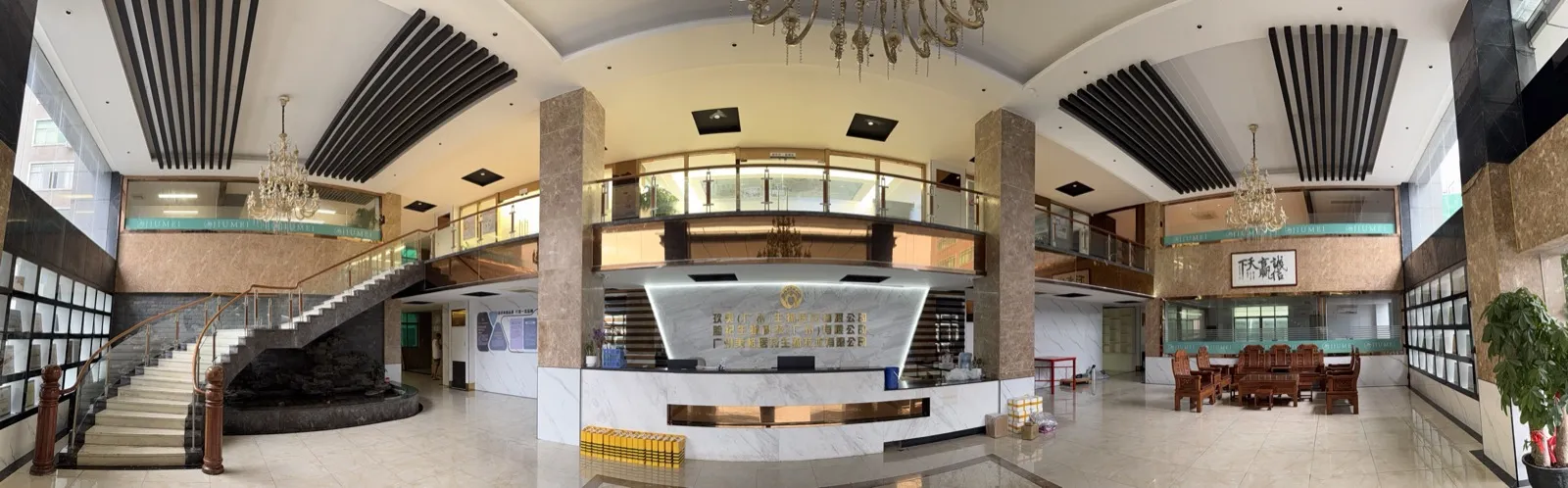
Use a factory visit to verify the manufacturing system behind your SKU, not only to tour equipment. This guide sets out a practical review scope and the information to prepare before booking.
Factory visits welcome by advance booking
A useful audit connects the supplier's legal identity, certified site, people, equipment, records and quality controls to the product format you plan to buy. A generic tour can show that a cleanroom exists without proving that your formula, packaging and batch records will be controlled on the intended line.
Before scheduling, send the product categories, target markets, estimated SKU volumes, packaging formats and any retailer or customer checklist. That allows the relevant areas and documents to be prepared without implying that confidential records from another customer can be disclosed.
Match the contracting entity, production address, licence and certificate scope to the plant that will manufacture the order.
Review how received, quarantined, released and rejected raw materials and packaging components are identified and separated.
Follow the approved formula and process into the actual vessel, batch size, in-process checks and controlled production record.
Confirm which line suits the formula and component, how changeover is controlled and which functional packaging checks are recorded.
Distinguish internal checks from external testing and confirm the specification, sampling, review and release authority for the finished batch.
Select a batch example and follow it to material and packaging lots; ask how deviations, complaints and supplier or formula changes are controlled.
Share the product format, destination market, expected volume and packaging reference.
Send the audit checklist or customer standard early enough to confirm what is relevant and available.
Agree whether the review is onsite, remote or conducted by an appointed third party.
Confirm attendee names, proposed date and any confidentiality requirements before documents are exchanged.
Identify the evidence you expect to leave with: certificate copies, agreed specifications, reports or corrective-action follow-up.
Factory certificates establish site-level systems and scope. Product specifications, test plans, batch records, component specifications and release evidence answer different questions. Build the supplier file in layers instead of asking one certificate to prove all of them.
Certificates, legal entity, production site and verification route.
Internal checks, third-party work and report-review questions.
Incoming, in-process, finished and outgoing quality checkpoints.
Formula, pack, equipment, changeover and usable-capacity questions.
Current public certificate and registration documents.
Submit the SKU list, market, quantity and audit checklist.
A traceability demonstration is more useful than a general statement that records exist. Select a finished batch or representative example and ask the team to move backwards and forwards through the controlled record. Customer-confidential information can remain covered while the links, status and approval logic are demonstrated.
Identify the finished-product code, batch or lot and release status.
Connect the unit to the formula version, process record, line and dates.
Trace the relevant raw-material and packaging lots and their release status.
Review which results and authorised sign-off allowed the batch to ship.
A remote review is efficient for certificate checks, document structure, responsible-person interviews and an initial walkthrough. It depends on a stable connection, an agreed route and enough camera detail to show status labels and the relevant area rather than a prepared presentation alone.
An onsite visit gives the auditor more control over route selection, record sampling and observation of actual practices. Neither format automatically grants access to unrelated customer production or confidential records. Agree the sampling approach and evidence permissions before the session.
Record each finding against the audit requirement and the evidence observed. Distinguish a missing document shown later from a process weakness that needs root-cause analysis and corrective action.
For material findings, agree an owner, due date and the evidence needed to close the item. A revised procedure alone may not prove implementation; training records, completed examples or a follow-up review may be appropriate. Commercial approval should state any conditions that remain open before sampling or production.
Include the intended product categories, number of SKUs, packaging formats, destination markets and expected order range. If the audit is required by a retailer, distributor or certification programme, attach the current checklist and identify any mandatory grading rule. Also state whether the auditor needs an interpreter and whether photography, screen sharing or document copies are expected.
Separate questions that qualify the factory from questions that belong to formulation development. This allows the audit to focus on the quality system while technical work on ingredients, claims, packaging and testing is assigned to the project team. The proposed date is confirmed only after the scope, attendees and relevant production schedule have been reviewed.
Follow the material and record flow relevant to the SKU, including warehouse status, changeover, sampling, quarantine and release.
Confirm that the legal entity, production address and scope cover the factory and activity used for the order.
Ask which checks apply to the specific formula and pack, who performs them and how acceptance criteria are approved.
A polished procedure does not show whether records are complete in practice. Use a representative batch to test the links.
Define severity, owner, due date and objective closure evidence before the audit ends.
Yes. Factory visits are welcome with advance booking. The project scope, date, attendees and relevant production areas should be agreed before the visit.
No blanket promise is made. Access depends on relevance, production scheduling, safety, confidentiality and the document permissions agreed for the project.
A customer may propose an appointed auditor. Share the audit standard, scope and timing first so feasibility and document access can be confirmed.
No. An audit reviews the supplier and its system. Product-specific safety, stability, preservation, compatibility, claim and market evidence remains a separate workstream.
Send your product list, destination market, estimated volume and audit checklist. We will confirm the relevant review scope and scheduling requirements before a visit is booked.
Response within 24 hours · WhatsApp available · Factory visits welcome