
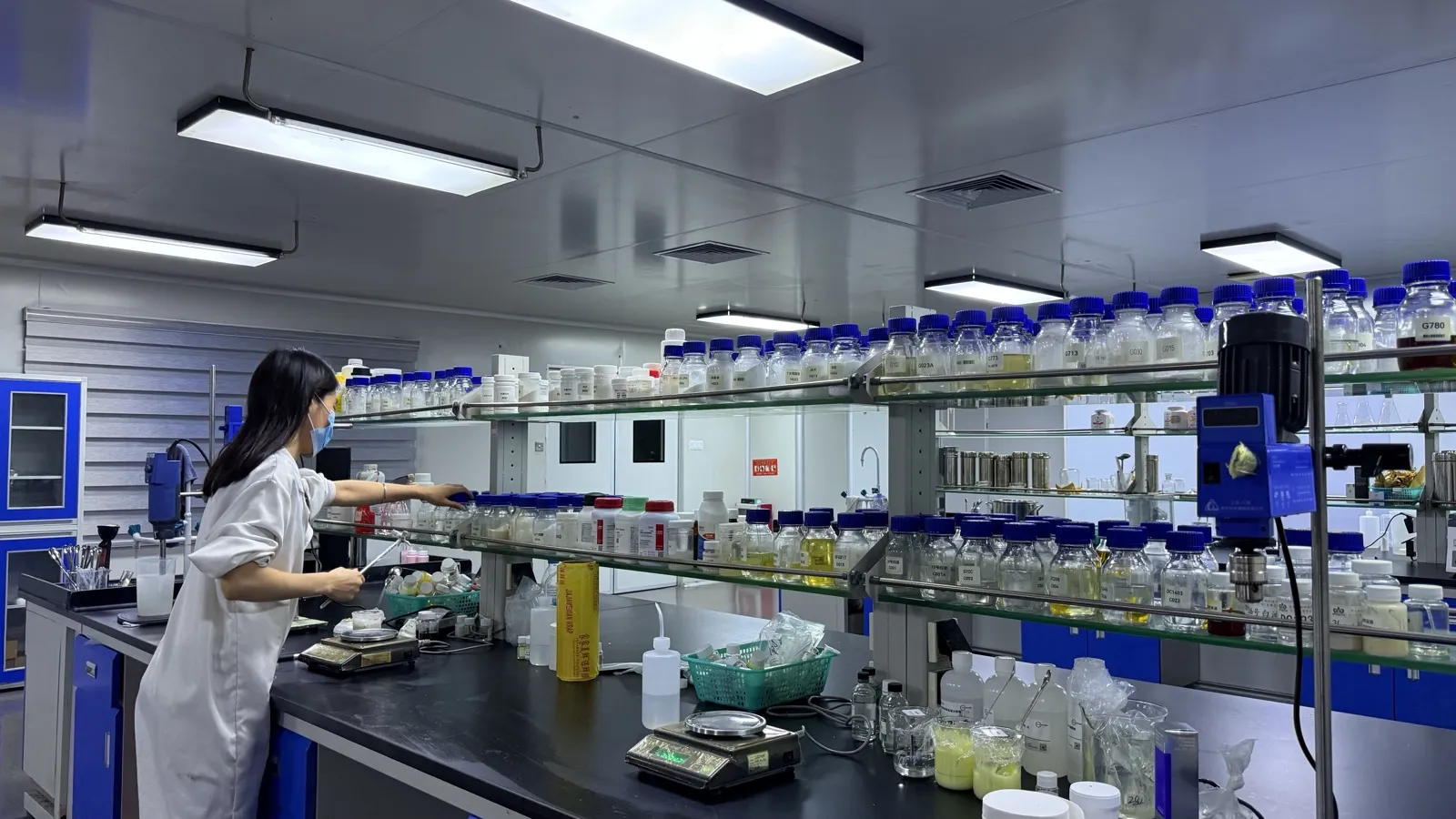
Quality Control Process
Follow the GZ Cosmetics Lab quality-control flow from incoming materials through in-process checks, finished-product testing, release and pre-shipment inspection.
Four checkpoints, one traceable batch record
Quality control is not one final inspection. A finished unit can look acceptable even when the wrong raw-material lot, process deviation or closure issue has already entered the batch.
Our published control structure uses four named checkpoints: incoming quality control, in-process quality control, finished-product quality control and outgoing quality control. The exact sampling plan and tests follow the product specification.
IQC
incoming
raw materials and packaging
IPQC
in process
checks during manufacturing
FQC
finished product
specification and microbiological review
OQC
pre-shipment
packaging integrity and release status
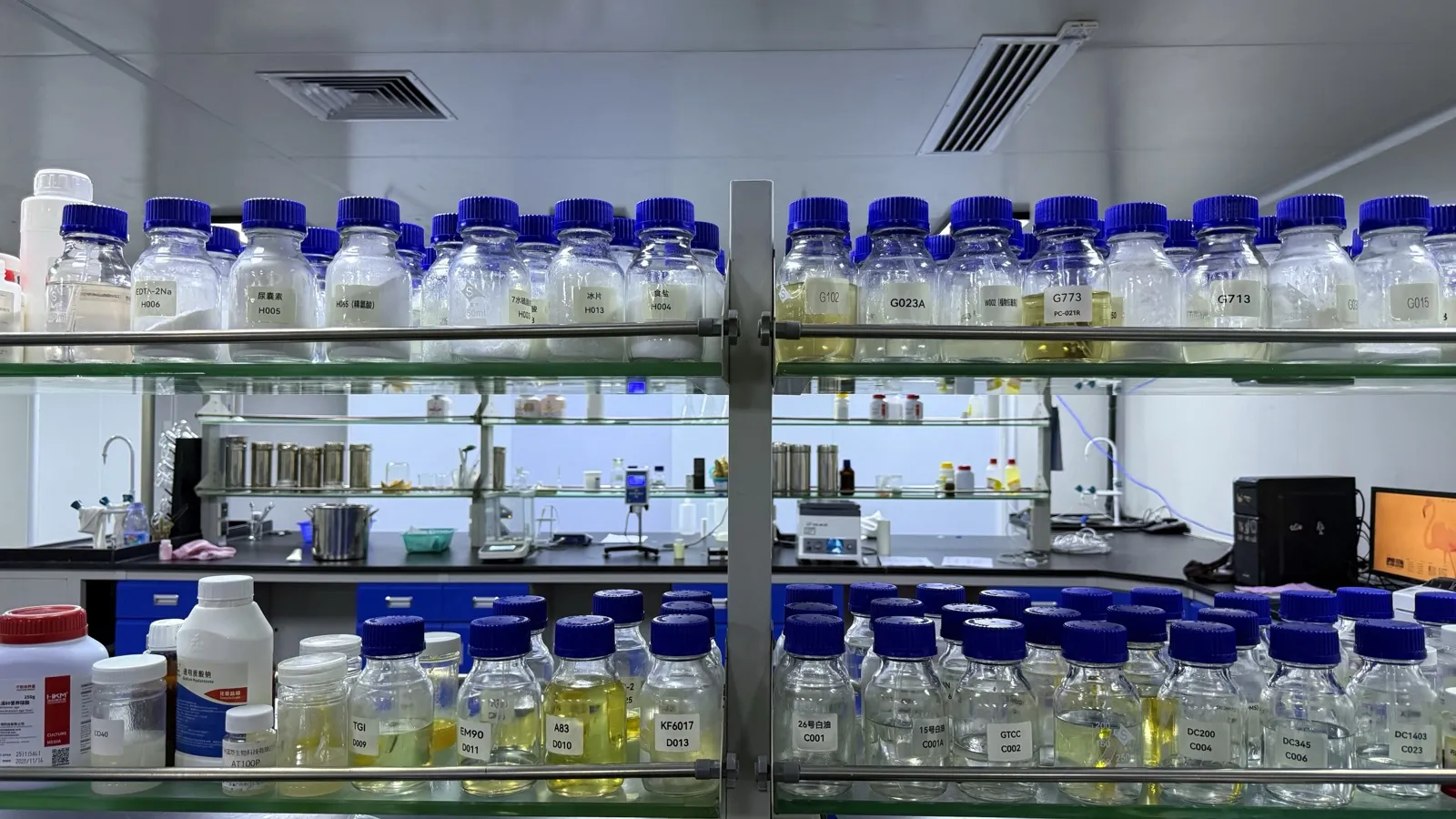
1. Incoming quality control
Incoming raw materials and packaging are checked against the approved purchasing and quality requirements before use. Identity, supplier documentation, condition, lot information and applicable specifications must remain connected to the production batch.
Incoming control starts before production
2. In-process quality control
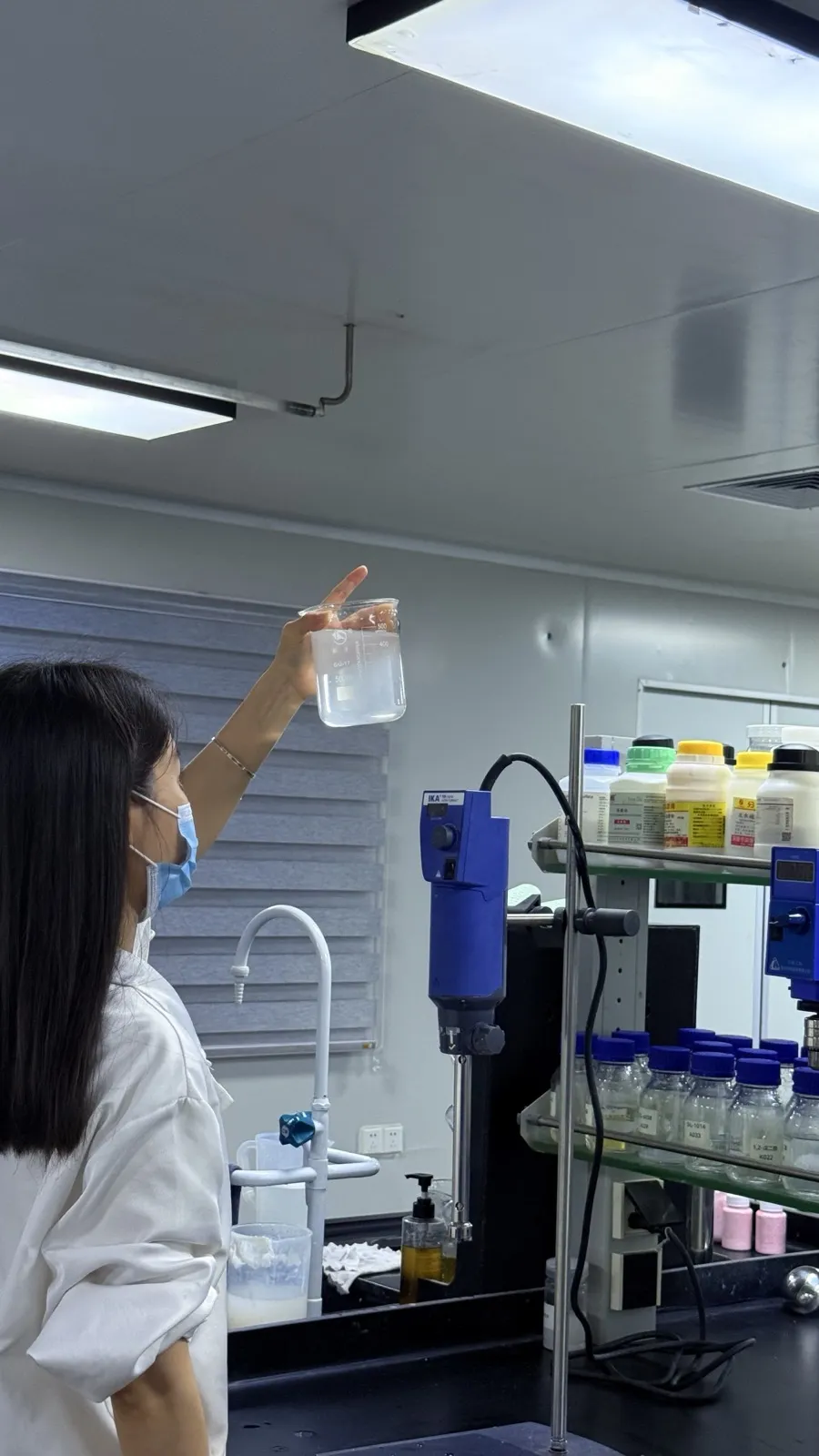
Checks are made at defined production stages rather than waiting for finished goods. The record may include process parameters and product measurements relevant to the formula. A deviation is evaluated against the approved process and specification before the batch moves forward.
In-process evidence
3. Finished-product quality control
Finished-product checks cover applicable appearance, pH, viscosity and microbiological requirements. Packaging and dispenser function are reviewed where they form part of the agreed specification. Results are attached to the identified batch, not issued as a generic product promise.
Finished-product review
4. Outgoing quality control and release
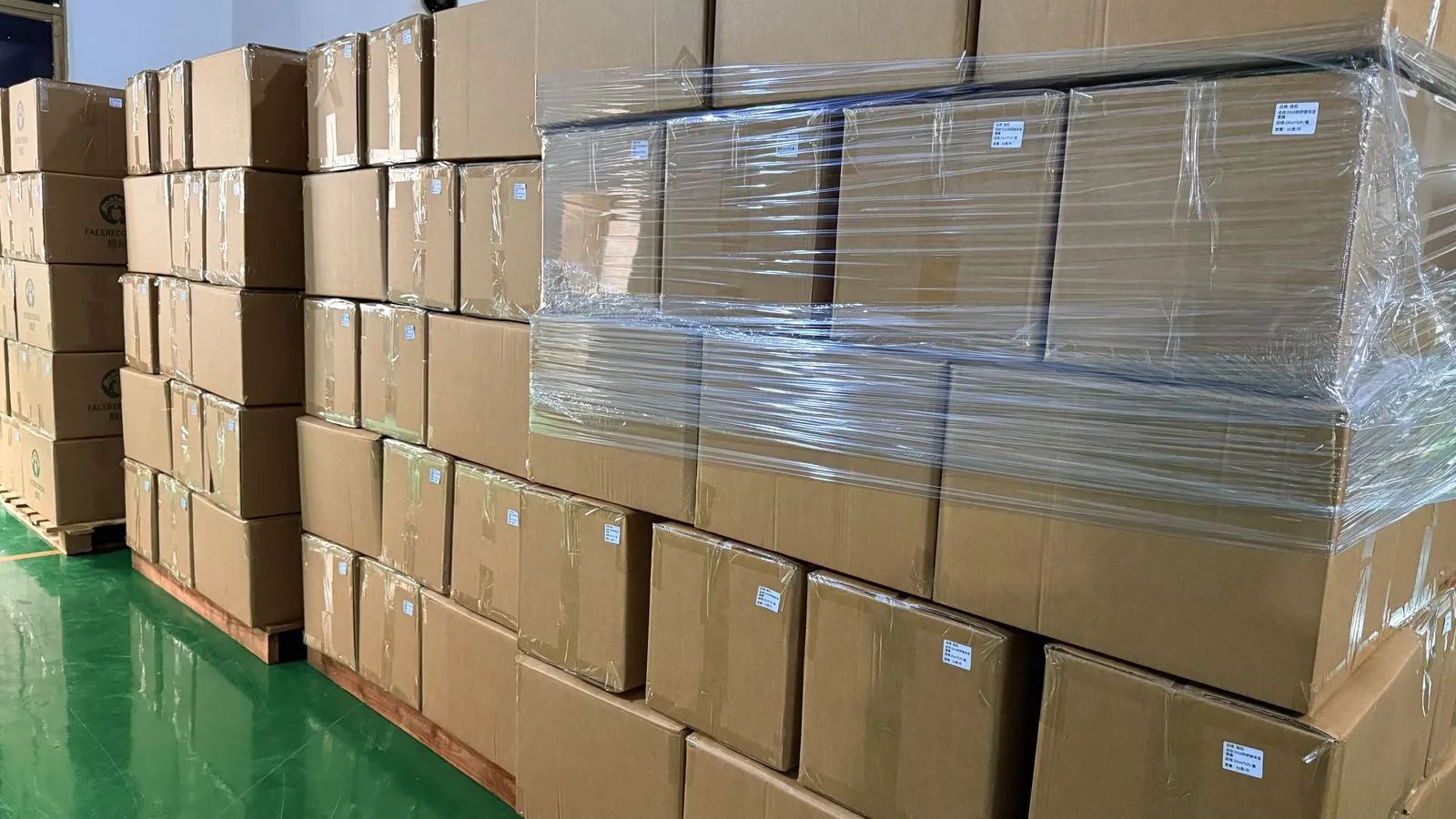
Pre-shipment inspection checks release status and packaging integrity before goods leave the site. Commercial urgency does not replace a release decision; project documents should identify what evidence accompanies the shipment and who approves any deviation.
Release before shipment
Traceability and change control
Traceability
A finished unit can be linked back to its production and raw-material lots through the batch record.
Component changes
A supplier, material, liner or dispenser change is assessed because earlier compatibility evidence may no longer cover it.
Formula and process changes
Changes are reviewed for their effect on specifications, stability, preservation, claims and market files.
Complaints and retained evidence
The investigation needs the product identity, batch and failure description so the record can be traced rather than treated as an isolated photograph.
What each checkpoint should leave behind
IQC record
Material or component identity, supplier, lot, quantity, condition, applicable document review, inspection or test result and disposition.
IPQC record
Batch and process identity, time, relevant parameters or measurements, operator or reviewer and any deviation raised during production.
FQC record
Finished-product results against the approved specification, method or reference, sample identity, date and release review.
OQC record
Shipment or lot identity, packaging and quantity checks, release status and confirmation that only approved goods are dispatched.
Deviation, investigation and disposition
A deviation is not solved by changing the acceptance criterion after the event. The record should state what happened, which batches or materials may be affected, what immediate containment was taken, how the cause was investigated and who decided the final disposition. Rework, concession or rejection should be traceable to an authorised decision rather than an informal production-floor agreement.
Detection
Record the observation promptly and preserve the sample, data and process context needed for investigation.
Impact assessment
Define the affected material, batch, component, time window and any related product already released or shipped.
Root-cause work
Consider material, method, machine, process, environment, packaging and human factors without choosing a convenient cause first.
Corrective action
Fix the confirmed cause and specify how effectiveness will be checked. Training alone is not sufficient when the system or specification is the problem.
Release documentation a buyer should agree in advance
The commercial scope should identify the finished-product specification, batch COA fields, packaging or quantity inspection, test reports supplied routinely, language and format, and who receives them. Product-specific third-party or retailer reports should be named separately so neither side assumes they are included.
Routine batch file
Approved formula and specification references, production identity, relevant results and authorised release status.
Customer documents
The agreed COA, component information and supporting reports that the brand may need for its own quality or market file.
Shipment check
Quantity, pack integrity, markings and released status connected to the goods being dispatched.
Confidential evidence
Access, redaction and permitted sharing should be agreed when proprietary formula or supplier information is involved.
How a complaint becomes an investigation
A useful complaint includes product name, batch or lot, market, purchase or receipt date, photographs, storage history and a clear description of the failure. That information allows the team to review the batch record, raw-material and packaging lots, retained samples and similar complaints. Without a batch identity, an investigation can still look for patterns, but it cannot make the same traceable conclusion.
Product or formula
Review retained samples and batch results for appearance, odour, separation, pH, viscosity or other relevant changes.
Packaging
Review component lot, closure, leakage, pump or dropper function, label and transport damage.
Distribution and storage
Compare the reported route and conditions with the product and packaging evidence.
Trend
Check whether the issue is isolated, repeated within one lot or appearing across products sharing a material or component.
Change control keeps old evidence from being misused
A specification, stability study or compatibility report belongs to the configuration it assessed. When the formula, raw-material supplier or grade, packaging material, dispenser, filling process or manufacturing site changes, the technical team should evaluate which documents remain applicable and which work must be repeated. The goal is not to retest everything automatically; it is to prevent evidence for an old configuration being presented as evidence for a new one.
Quarantine, release and retained evidence are different controls
Quarantine prevents unreviewed materials or goods from being treated as usable. Release is the documented decision that the identified lot meets the agreed requirements. Retained evidence supports later review but does not replace the original release checks. Keeping these concepts separate prevents a warehouse status label, a laboratory sample and a commercial shipment from being mistaken for the same thing.
Quarantine
Status remains controlled while required inspection, testing or document review is incomplete.
Release
An authorised decision connects approved results and records to the identified material, batch or shipment.
Retention
Representative retained material allows later comparison during stability follow-up or complaint investigation.
Rejection
Nonconforming material remains identified and controlled so it cannot return to normal use without an authorised disposition.
Frequently asked questions
Do you provide a batch Certificate of Analysis?
Batch documentation can be included in the agreed project file. The exact parameters should match the approved finished-product specification.
What happens when a result is outside specification?
The result and affected batch require documented review before release. The investigation route depends on the parameter, method, process history and whether the issue is formula-, packaging- or process-related.
Does final inspection replace process control?
No. Final inspection cannot reconstruct missing incoming or in-process evidence. That is why the four checkpoints remain separate.
Build the quality file into the commercial scope
Send your retailer, distributor or regulatory document checklist before quotation so the required records and release documents are agreed from the start.
Response within 24 hours · WhatsApp available · Factory visits welcome