
Quality & Testing
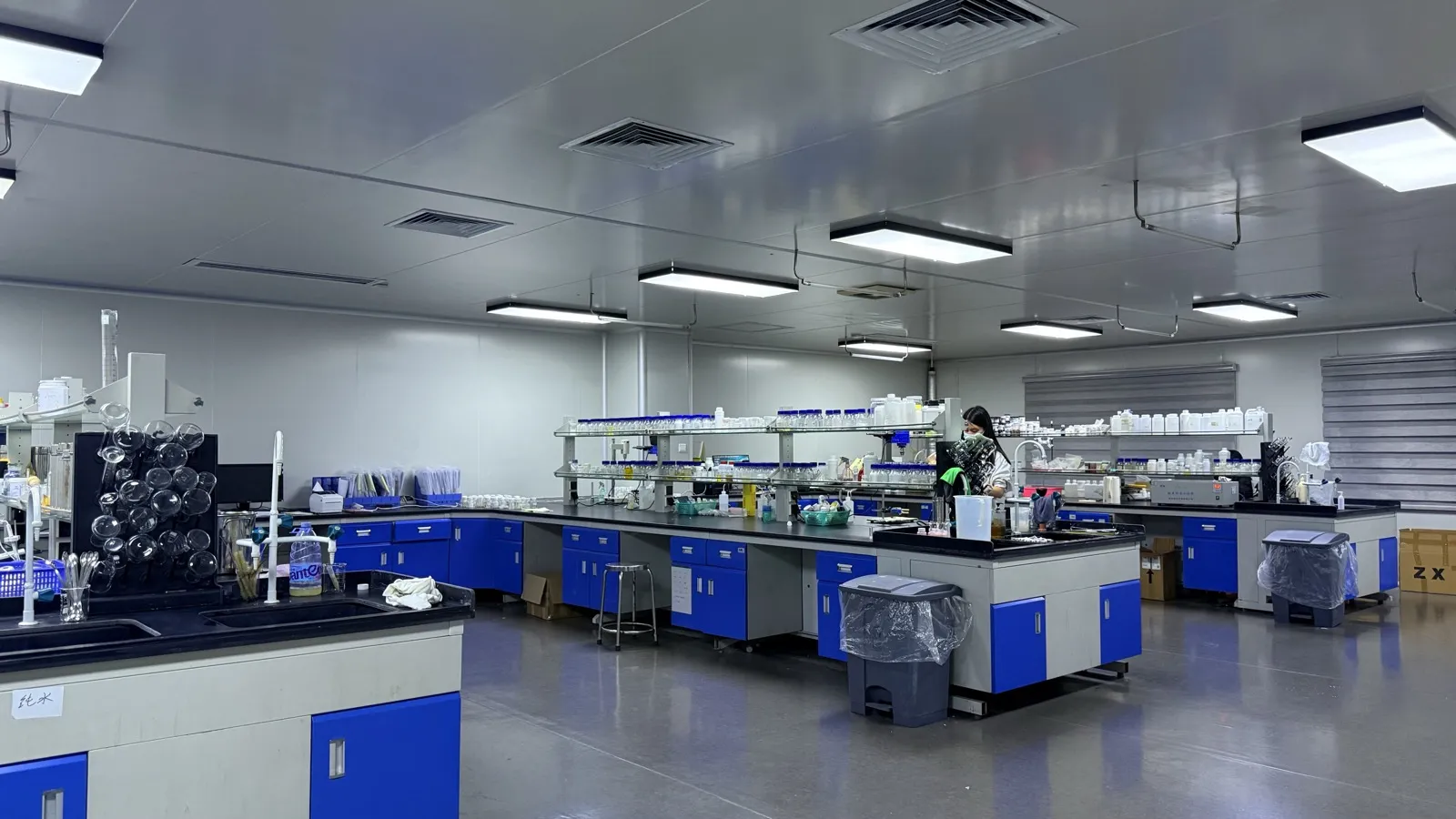
What GZ Cosmetics Lab checks during cosmetic development and production, what a test report should contain, and where third-party testing fits.
Evidence before claims
Testing is useful only when it is attached to an identified formula, batch, method and acceptance criterion. A certificate that says pass without those fields is difficult for a brand, safety assessor or retailer to audit.
This page explains the testing scope we can document during development and production. The final plan still depends on product type, claims, packaging and destination market; there is no single universal panel for every cosmetic.
4
named quality checkpoints
IQC, IPQC, FQC and OQC
Batch
traceability
finished units traced to raw-material lots
SGS
third-party option
available on request when the project requires it
Development evidence is product-specific
A cleanser, emulsion, active serum, fragrance and sunscreen do not need identical evidence. We scope physical, chemical, microbiological, packaging and claim-related work from the formula and market route, then identify what is standard, what needs an external laboratory and what belongs to the brand or local responsible party.
Inside the testing workflow
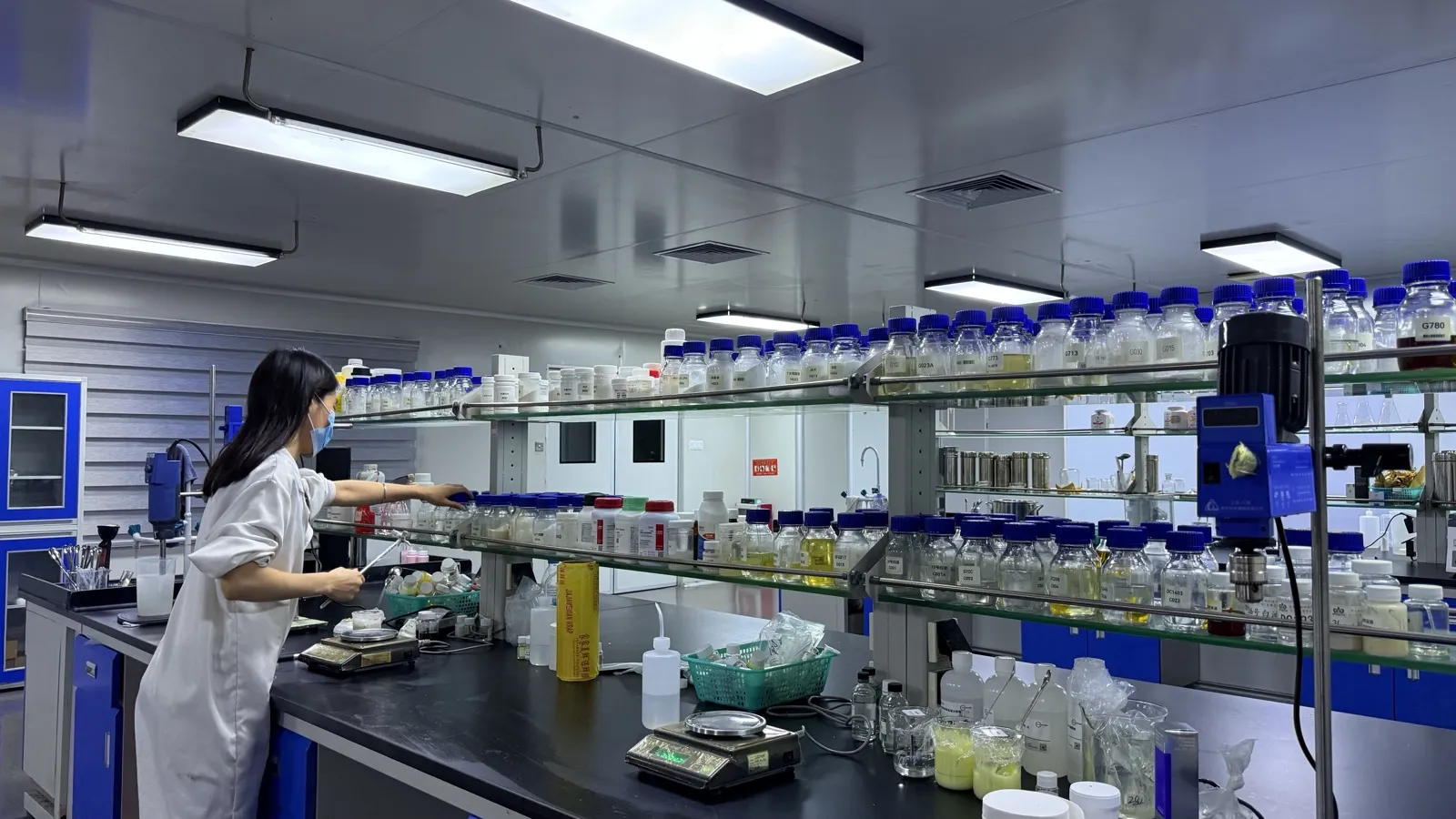
The core checks we document
Physical and chemical
Appearance, colour, odour, pH and viscosity where relevant, recorded against an approved specification rather than a one-word conclusion.
Microbiological
Product-specific microbiological quality and preservation evidence. High-water and repeated-use formats require different attention from low-water systems.
Stability
Conditions, intervals, packaging arms and acceptance limits are defined in the protocol. Accelerated work supports risk assessment and is not presented as an automatic conversion into shelf life.
Packaging compatibility
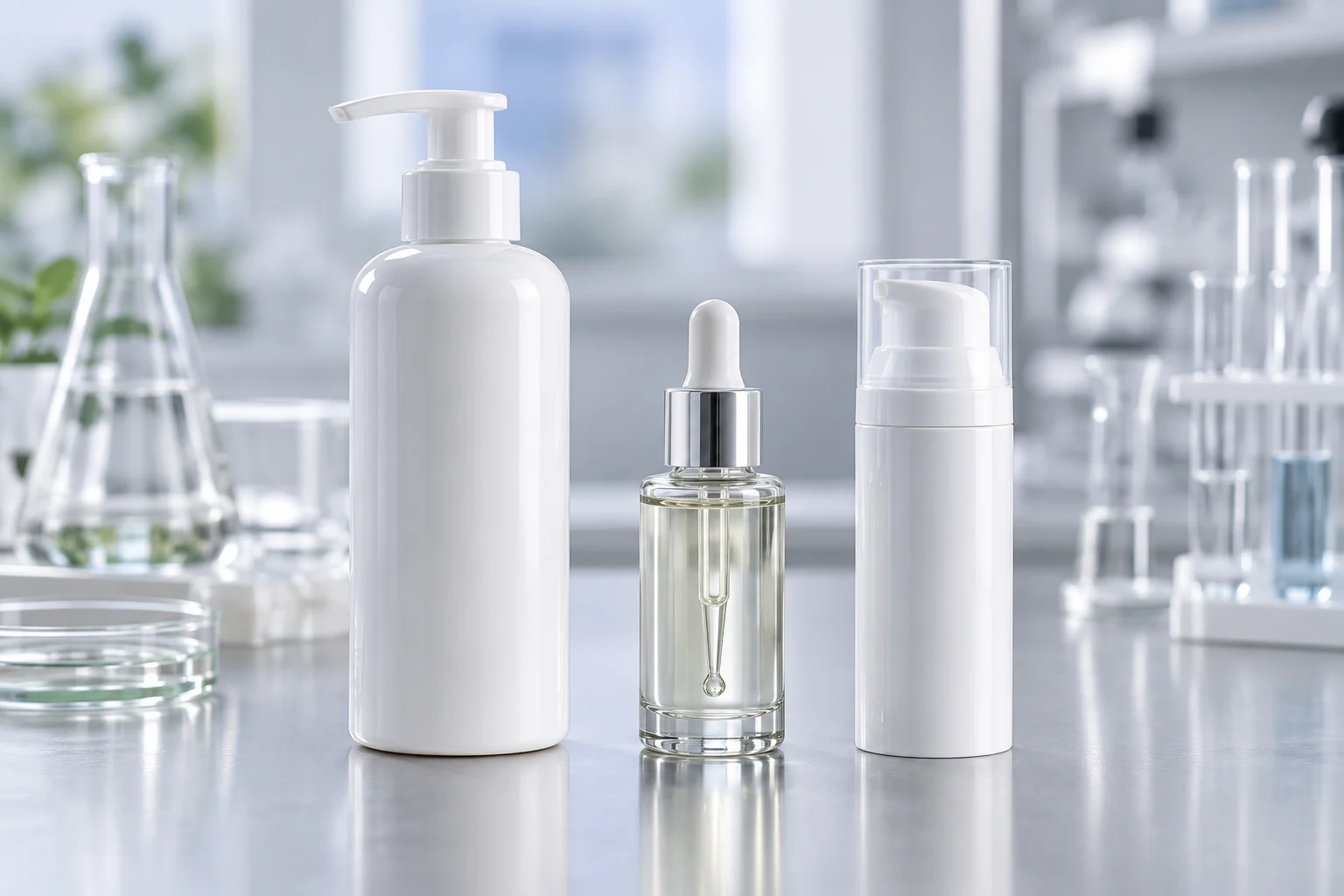
The final formula is assessed with the intended component assembly, including pumps, droppers, liners and airless mechanisms where used.
Claims support
The evidence plan follows the exact wording and target market. A formula specification alone does not substantiate every efficacy claim.
What a usable report contains
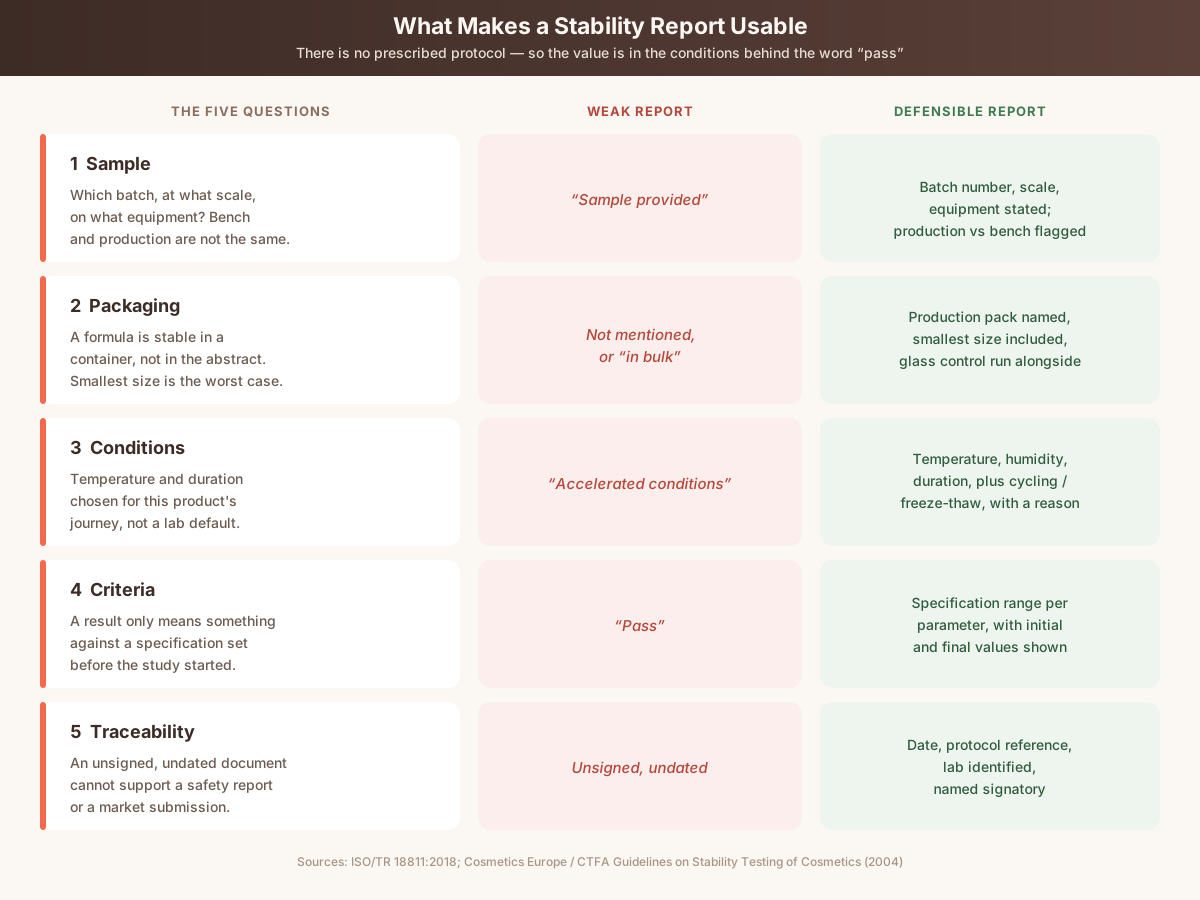
Ask for the formula and batch reference, component identification, method or protocol, dates, conditions, interval results, acceptance criteria, deviations and responsible sign-off. Our packaging compatibility and stability guides show how to read those fields before accepting a result.
Before testing
Agree the protocol and acceptance criteria before results are visible.
During testing
Preserve interval data and observations so a trend can be reviewed.
After testing
Keep the conclusion narrow: it covers the tested formula, batch and packaging configuration, not every future substitution.
Two reports buyers should know how to read
Where third-party laboratories fit
Independent testing through SGS is available on request when a buyer, retailer or market file requires external evidence. The required laboratory and method should be agreed before quotation. We do not describe our internal laboratory as CMA- or CNAS-accredited, and we do not imply that an external laboratory replaces the manufacturer's own batch controls.
How the test plan changes by product format
Water-based cleansers and toners
Preservation, microbiological quality, pH and packaging closure deserve early attention. A rinse-off claim does not remove the need to establish safe use and a stable finished product.
Emulsions and creams
Viscosity, appearance, odour and phase behaviour are reviewed over time and under selected conditions. The jar, tube or pump can change exposure and dispensing performance.
Active serums
The plan follows the active's known sensitivities and the claims being made. Light, oxygen, pH, packaging contact and any relevant assay are considered rather than assuming that a high ingredient percentage proves performance.
Fragrance and essential-oil formats
Volatility, odour change, discolouration, component interaction and transport classification can matter more than viscosity. The selected bottle, seal and pump remain part of the tested system.
Masks, patches and sachets
Individual seals are part of the preservation and delivery system. Seal integrity, fill distribution, material compatibility and storage orientation need to be visible in the protocol.
Sunscreen and regulated claims
The intended market determines the regulatory route and accepted evidence. An SPF figure from one method or market must not be assumed to support every destination.
A stage-gated evidence plan
Testing is most efficient when the decision points are set before expensive packaging and production commitments are made. Early screening can remove unsuitable formula or component options, but it should not be presented as final-product evidence.
1. Brief review
Identify markets, claims, formula risks, pack type and customer-specific standards. This determines which questions need answers before sampling.
2. Development screening
Compare candidate formulas and components, document why one route is selected and record limitations that must be confirmed later.
3. Final configuration
Lock the formula code, intended component assembly, specification and protocol before artwork or tooling creates commercial pressure to accept marginal data.
4. Representative confirmation
Use representative product and the intended manufacturing and filling process. Confirm that earlier laboratory assumptions still hold at scale.
5. Release and ongoing evidence
Connect batch release documentation, retained samples, real-time observations and change control so evidence remains useful after launch.
What happens when a result is marginal or fails
A failed result is not automatically a failed formula. The investigation compares the control, market pack, orientation, interval trend, process history and component specification. If glass and the market pack both change, the formula or process moves higher on the investigation list. If only the market pack changes, component interaction, permeation or sealing deserves attention. If the formula remains within specification but the dispenser stops working, the pump, gasket, dip tube and dose data become the priority.
Confirm
Check sample identity, method, equipment, condition and whether the stated component was actually used.
Contain
Prevent an unresolved configuration from moving into tooling, routine production or shipment.
Investigate
Use comparison data and batch history to separate formula, component, process and method causes.
Change and repeat
Document the chosen correction and define which parts of the evidence package must be repeated before approval.
The evidence package a brand should retain
A usable handover normally links the approved formula and specification, component specification, study protocol, interval results, final report, relevant third-party reports, batch documentation and approved claims. The commercial agreement should say what is supplied, in what language, under what confidentiality terms and whether the brand can provide it to a safety assessor, retailer or regulator. Agreeing those rights after a market authority asks for the file is too late.
Frequently asked questions
Do you use one standard test panel for every cosmetic?
No. The panel follows the product, claims, packaging and destination market. The protocol should explain why each measurement and condition is included.
Can I receive the underlying data?
The project scope should state whether you receive interval data, the final report and component specifications. Set that expectation before testing begins.
Does an SGS report mean the product is approved?
No. It is evidence from an independent laboratory for the tests named in the report; it is not a market approval or a substitute for local filing responsibilities.
Scope the evidence before you approve the sample
Send the formula type, claims, packaging and destination markets. We will separate standard factory documentation from project-specific and third-party testing.
Response within 24 hours · WhatsApp available · Factory visits welcome