
Tropical Climate Skincare: Best Ingredients & Stability
Tropical climate skincare is not a temperate-climate product with minor tweaks. Formulating skincare for tropical climate markets demands a fundamentally different approach - one that accounts for relentless humidity, intense UV exposure, and skin that behaves differently when heat and moisture never let up. If you are sourcing the best skincare for tropical climate conditions, or simply the best ingredients for humid weather, this guide breaks down exactly what works, why it works, and how to bring a winning formula to market with the right OEM skincare partner.
Southeast Asia's skincare market is projected to exceed $30 billion by 2027. Brands entering Indonesia, Thailand, Vietnam, Malaysia, and the Philippines face consumers who are educated, ingredient-savvy, and unforgiving of heavy textures that melt off in 35°C heat. Getting the formulation right is not optional - it is the difference between a product that moves and one that sits on shelves.
How Tropical Climate Affects Skin: The Formulation Challenge
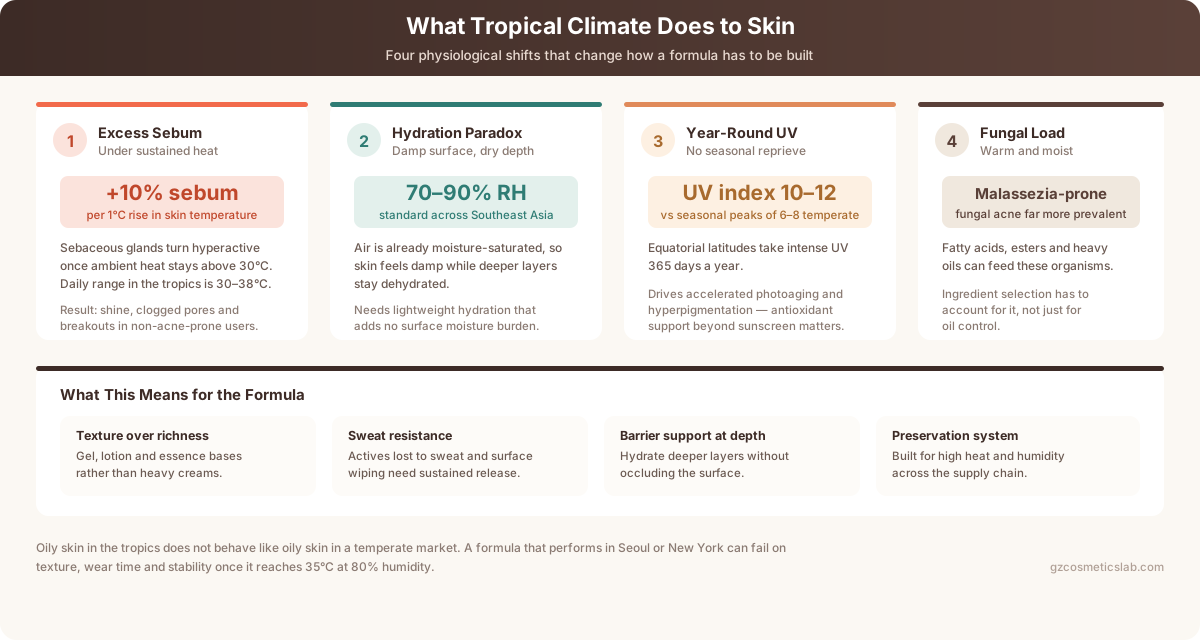
Chart by GZ Cosmetics Lab · Free to reuse with a link back to this page.
Before selecting ingredients, you need to understand what tropical weather does to skin at a physiological level. This is where many brands entering Southeast Asian markets make their first mistake - they assume oily skin in the tropics behaves the same as oily skin in Seoul or New York.
Excess Sebum Production Under High Heat
Sebaceous glands become hyperactive when ambient temperatures stay above 30°C consistently. Studies show that sebum production increases by approximately 10% for every 1°C rise in skin surface temperature. In tropical climates where daily temperatures range from 30-38°C with humidity above 75%, this means skin is producing significantly more oil than the same person's skin would in a temperate climate.
The result: shine, clogged pores, and breakouts - even in people who would not consider themselves acne-prone in cooler environments.
Humidity and the Hydration Paradox
High humidity (70-90% relative humidity is standard in Southeast Asia) means the air is already moisture-saturated. This creates a paradox: skin feels damp on the surface, but deeper layers may still be dehydrated, especially for consumers using harsh cleansers or spending hours in air-conditioned offices.
Formulations need to deliver lightweight hydration that does not add to the surface moisture burden while still supporting the skin barrier at deeper levels.
For an eye-care extension in the same climate, a custom eye gel can use a lightweight hydration or cooling-feel route, with the finished formula and applicator assessed together instead of borrowing a face-gel specification.
UV Intensity Year-Round
Tropical regions sit close to the equator, receiving intense UV radiation 365 days a year. There is no winter reprieve. UV index readings of 10-12 are common daily, compared to seasonal peaks of 6-8 in temperate climates. This drives accelerated photoaging, hyperpigmentation, and increased demand for antioxidant protection beyond sunscreen.
Fungal and Bacterial Proliferation
Warm, moist environments are ideal breeding grounds for Malassezia yeast and bacteria. Fungal acne (Malassezia folliculitis) is significantly more prevalent in tropical populations. Formulations loaded with fatty acids, esters, and heavy oils can feed these organisms, worsening breakouts that consumers often misidentify as hormonal acne.
Core Skincare Ingredients for Tropical Climate Formulations
The best tropical skincare ingredients share common traits: lightweight molecular profiles, oil-control properties, antioxidant strength, and compatibility with high-humidity environments. Here are the proven performers.
Niacinamide (Vitamin B3)
Niacinamide is arguably the single most versatile ingredient for tropical skincare formulation. At concentrations of 2-5%, it regulates sebum production, strengthens the skin barrier, reduces hyperpigmentation, and minimizes the appearance of pores.
Why it excels in tropical climates:
- Water-soluble, so it layers easily under sunscreen without adding greasiness
- Reduces transepidermal water loss (TEWL) while controlling oil
- Addresses the hyperpigmentation that intense UV exposure causes
- Stable across a wide pH range, making it formulation-friendly
For OEM brands targeting Southeast Asia, niacinamide is practically non-negotiable. Consumer awareness is high, and it delivers visible results quickly - critical for building brand loyalty in competitive markets.
Hyaluronic Acid (Multi-Weight)
Hyaluronic acid remains essential for tropical formulations, but the approach must differ from what works in dry climates. In high-humidity environments, HA draws moisture from the ambient air rather than pulling it from deeper skin layers - this is actually an advantage.
The key is using multi-molecular-weight HA:
- High molecular weight (1000-1500 kDa): Forms a breathable moisture film on the surface
- Low molecular weight (50-100 kDa): Penetrates deeper layers for lasting hydration
- Ultra-low molecular weight (<10 kDa): Reaches the dermis for plumping effects
This combination delivers hydration without the heavy, sticky texture that tropical consumers reject. It works with the humid environment rather than against it.
Salicylic Acid (BHA)
Oil-soluble and capable of penetrating into pores, salicylic acid at 0.5-2% concentration is critical for tropical formulations targeting acne-prone and oily skin types. In humid climates where pores are more easily clogged by excess sebum and environmental pollutants, BHA provides ongoing exfoliation that prevents buildup.
Formulation considerations for tropical markets:
- Lower concentrations (0.5-1%) work well for daily-use products given the higher baseline exfoliation from sweat and humidity
- pH must be maintained at 3-4 for efficacy
- Pairs well with niacinamide in sequential application protocols
Green Tea Extract (EGCG)
Epigallocatechin gallate (EGCG) from green tea is one of the most potent natural antioxidants available for skincare formulation. In tropical climates where UV-generated free radical damage is constant, green tea extract provides:
- Powerful antioxidant protection against UV-induced oxidative stress
- Anti-inflammatory properties that calm heat-aggravated skin
- Sebum-regulating effects supported by clinical studies
- Antimicrobial activity against acne-causing bacteria
Green tea extract resonates strongly with Southeast Asian consumers who prefer ingredients with natural origins, making it both functionally and commercially effective.
Centella Asiatica (Cica)
Centella Asiatica has deep cultural roots across Southeast Asia, where it has been used in traditional medicine for centuries. Its active compounds - asiaticoside, madecassoside, asiatic acid, and madecassic acid - offer:
- Barrier repair and strengthening
- Anti-inflammatory action for heat-stressed skin
- Wound healing acceleration (relevant for post-acne marks)
- Collagen synthesis stimulation
For tropical skincare formulation, Centella works in both leave-on and rinse-off products. Its lightweight profile and proven efficacy make it suitable across product categories from serums to sheet mask essences.
Zinc PCA
Zinc PCA combines the sebum-regulating properties of zinc with pyrrolidone carboxylic acid (a natural moisturizing factor component). At 0.5-1% concentration, it:
- Reduces sebum production by up to 60% in clinical studies
- Provides antimicrobial action against P. acnes
- Does not over-dry skin, unlike traditional zinc oxide formulations
- Remains stable in lightweight gel and serum textures
This ingredient is particularly effective in tropical climates where oil control must be sustained through heat and humidity without compromising hydration.
Alpha Arbutin
Brightening is a top consumer concern across tropical Southeast Asian markets. Alpha arbutin at 1-2% inhibits tyrosinase activity to reduce melanin production, addressing:
- Sun-induced hyperpigmentation
- Post-inflammatory hyperpigmentation from acne
- Uneven skin tone from cumulative UV exposure
It is gentler than hydroquinone, stable in formulation, and works synergistically with niacinamide and vitamin C derivatives for enhanced brightening without irritation.
Lightweight Emollients: Squalane and Jojoba Oil
Tropical formulations must avoid heavy occlusive oils, but skin still needs emollient support. Squalane (derived from sugarcane or olives) and jojoba oil are ideal because:
- Both have molecular structures similar to human sebum
- They absorb quickly without leaving residue
- They are non-comedogenic and Malassezia-safe
- They provide just enough occlusion to prevent TEWL without trapping heat
Tropical Skincare Ingredients: Comparison Table
| Ingredient | Primary Function | Ideal Concentration | Texture Impact | Best For |
|---|---|---|---|---|
| Niacinamide | Oil control, brightening, barrier | 2-5% | Lightweight, water-based | All tropical skin types |
| Hyaluronic Acid (multi-weight) | Hydration | 0.5-2% | Gel-like, non-sticky | Dehydrated oily skin |
| Salicylic Acid | Pore clearing, exfoliation | 0.5-2% | Liquid/serum | Acne-prone, oily skin |
| Green Tea Extract | Antioxidant, anti-inflammatory | 1-5% | Light serum | UV-exposed skin |
| Centella Asiatica | Barrier repair, calming | 0.1-1% actives | Versatile | Sensitive, irritated skin |
| Zinc PCA | Sebum control, antimicrobial | 0.5-1% | Gel, serum | Very oily skin |
| Alpha Arbutin | Brightening | 1-2% | Water-based serum | Hyperpigmentation |
| Squalane | Emollient, barrier support | 3-10% | Light oil, fast-absorbing | All types needing moisture |
Southeast Asian Market Preferences by Country
Understanding regional differences within Southeast Asia is critical for OEM skincare brands. Consumer preferences, regulatory environments, and cultural values vary significantly across markets.
Indonesia: Natural, Halal-Certified, and Transparent
Indonesia is the world's largest Muslim-majority country, and Halal certification is not just preferred - it is increasingly a regulatory requirement for skincare products. Indonesian consumers favor:
- Natural and botanical ingredients with clear sourcing stories
- Halal-certified formulations free from pork-derived or alcohol-based ingredients
- Affordable price points with visible efficacy
- Transparent ingredient lists - the "skintellectual" movement is strong
- Local botanicals like turmeric, rice water, and coconut derivatives
For OEM brands targeting Indonesia, formulation must pass BPOM registration and a halal route recognised by BPJPH for the product scope. Ask the skincare manufacturer for formula and process records early, then obtain a schedule from the certifier and importer.
Thailand: Brightening, Premium Textures, and K-Beauty Influence
Thailand's skincare market values brightness above almost all other benefits. Thai consumers are drawn to:
- Brightening ingredients: Glutathione, alpha arbutin, vitamin C, niacinamide
- Premium sensory textures: Light but luxurious; gel-creams, whipped textures
- K-Beauty and J-Beauty trends filtered through local preferences
- Multi-step routines with clearly defined product roles
- Clinical claims backed by visible before-and-after results
Formulations for Thailand should emphasize immediate radiance effects alongside long-term brightening. Textures that feel "cooling" on application perform particularly well in the Thai market.
Vietnam: Korean-Influenced, Active Ingredients, Value-Driven
Vietnam's skincare market is heavily influenced by Korean beauty trends, with a strong emphasis on:
- Active ingredients: Retinol, AHAs, BHAs, vitamin C at effective concentrations
- Korean-style formulation philosophy (layering, essences, ampoules)
- Ingredient education - Vietnamese consumers research heavily before purchasing
- Value-for-money: Efficacy per dollar spent matters more than luxury packaging
- Glass skin aesthetic: Hydrating, plumping, glow-enhancing products
OEM brands targeting Vietnam should offer competitive active concentrations and communicate the science behind formulations. Skipping clinical data or watering down concentrations will not work in this market.
Malaysia: Multi-Functional, Inclusive, and Halal-Aware
Malaysia's diverse population (Malay, Chinese, Indian communities) creates demand for:
- Multi-functional products that address multiple concerns in fewer steps
- Inclusive formulations that work across varied skin tones and types
- Halal certification (important but slightly less regulatory-driven than Indonesia)
- Hybrid products: Skincare-makeup crossovers, tinted SPFs, serum-foundations
- Efficiency-focused routines - fewer products, more results per product
Regional Preference Comparison
| Market | Top Priority | Ingredient Focus | Texture Preference | Certification Need |
|---|---|---|---|---|
| Indonesia | Natural/Halal | Botanical extracts, niacinamide | Lightweight gel, water-based | BPOM notification + BPJPH halal route |
| Thailand | Brightening | Glutathione, arbutin, vitamin C | Gel-cream, whipped, cooling | FDA Thailand |
| Vietnam | Actives/Efficacy | Retinol, AHAs, niacinamide | Serum, essence, ampoule | MOH Vietnam |
| Malaysia | Multi-function | Niacinamide, HA, SPF | Hybrid textures, tinted | NPRA + Halal |
| Philippines | Affordable efficacy | Niacinamide, salicylic acid, aloe | Gel, lightweight lotion | FDA Philippines |
How Advanced Delivery Technology Enhances Tropical Skincare Performance
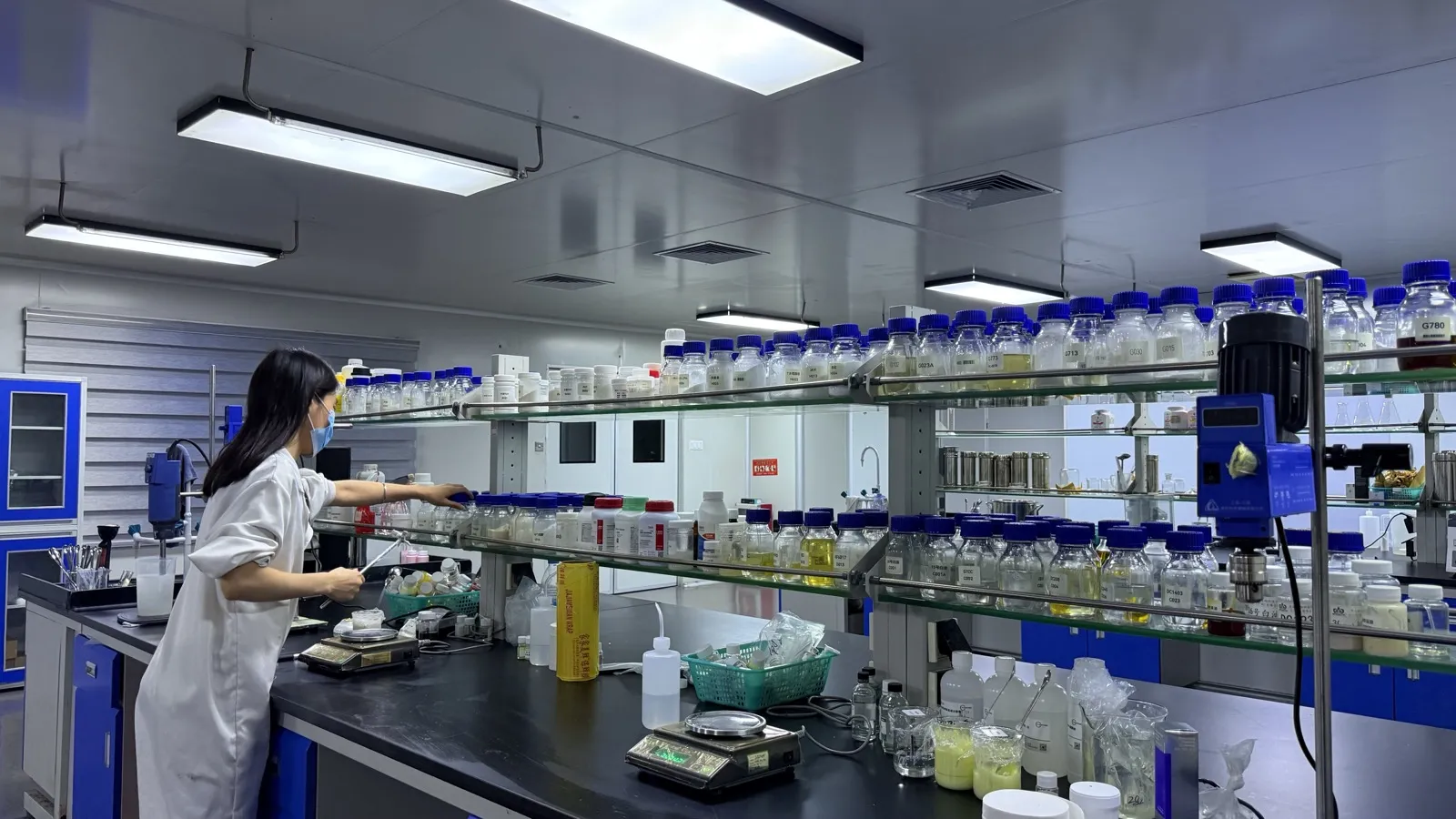
Even the best tropical skincare ingredients face a common challenge: getting active compounds to the right skin layers at effective concentrations without adding heaviness to the formula. This is where advanced delivery technology becomes a game-changer for OEM skincare formulation.
The Problem with Conventional Formulation
Traditional topical formulations face several limitations in tropical conditions:
- Rapid degradation: Heat and UV accelerate the breakdown of sensitive actives like vitamin C and retinol
- Poor penetration: Many actives sit on the skin surface and get wiped away by sweat
- Instability: High temperatures compromise emulsion stability during storage and transport
- Occlusion issues: Delivery vehicles that work in dry climates (heavy creams, oils) are too occlusive for humid environments
How advanced delivery Technology Solves These Challenges
advanced delivery technology uses advanced encapsulation and targeted delivery mechanisms to:
1. Protect Active Ingredients from Degradation
Micro-encapsulation shields sensitive actives from heat, light, and oxidation during the product's shelf life and after application. This means vitamin C, retinol, and peptides maintain their potency even in tropical storage conditions without requiring cold-chain logistics.
2. Enable Targeted Layer-Specific Delivery
Different ingredients work at different skin depths. advanced delivery technology can direct:
- Brightening agents to the basal layer where melanin production occurs
- Hydrating molecules to the mid-epidermis for lasting moisture
- Anti-aging peptides to the dermis where collagen synthesis happens
3. Provide Sustained Release for Extended Efficacy
Instead of delivering all actives at once (where much is lost to sweat and surface wiping), sustained-release technology provides a steady flow of actives over 8-12 hours. For tropical consumers who reapply less frequently due to busy schedules, this means better results from a single application.
4. Maintain Lightweight Textures
Because advanced delivery technology aims to improve efficacy through precision delivery rather than high concentrations, formulations can use lower total active loads while targeting comparable results. This supports the light, non-greasy textures that tropical consumers demand.
Real-World Impact on Formulation
A niacinamide serum formulated with advanced delivery technology at a lower concentration can perform comparably to a conventional higher-concentration serum - while feeling lighter on the skin and causing less potential irritation. For OEM brands, this can translate to:
- Cost efficiency: Lower active concentrations needed for equivalent results
- Better stability: Extended shelf life without cold storage requirements
- Superior consumer experience: Lighter textures with stronger efficacy
- Differentiation: Technology-backed claims that competitors cannot easily replicate
How OEM Brands Should Choose Tropical Climate Formulations
Selecting the right formulation strategy for tropical markets involves more than picking trending ingredients. Here is a systematic approach for brand founders and procurement decision-makers.
Step 1: Define Your Target Market Precisely
Do not try to create one product for all of Southeast Asia. Define:
- Primary market: Which country launches first?
- Target consumer: Age, income level, skin concerns, purchasing habits
- Price positioning: Mass, masstige, or premium?
- Channel strategy: E-commerce, retail, salon/spa, or hybrid?
Step 2: Validate Ingredient Compliance
Every Southeast Asian country has different cosmetic regulations. Before finalizing a formula, confirm:
- Permitted ingredient concentrations (e.g., salicylic acid limits vary by country)
- Mandatory certifications (Halal, BPOM, FDA, NPRA)
- Restricted or banned substances in your target market
- Labeling and claims requirements
An experienced tropical skincare manufacturer will have this regulatory knowledge in-house, saving you from costly reformulations post-submission.
Step 3: Prioritize Texture and Sensory Experience
In tropical markets, texture is not secondary to efficacy - it is equally important. Products that feel heavy, sticky, or greasy will not get repurchased regardless of how well they work. Prioritize:
- Gel and gel-cream bases over traditional cream emulsions
- Water-first formulations with minimal oil phase
- Quick-absorbing textures that leave a matte or semi-matte finish
- Cooling sensations from ingredients like menthol derivatives or aloe vera
Step 4: Test in Tropical Conditions
Stability testing must reflect actual tropical conditions:
- Accelerated stability at 40°C/75% RH (not just standard 25°C/60% RH)
- Cycle testing between air-conditioned and ambient tropical temperatures
- Transport simulation for logistics chains without consistent cold storage
- Consumer-use testing with panelists in your target market's actual climate
Step 5: Build in Scalability
Your initial SKU may serve one market, but plan for expansion. Choose a manufacturing partner whose formulation platform allows:
- Easy regional adaptations (e.g., adding Halal certification for Indonesia)
- Concentration adjustments without complete reformulation
- Packaging variants for different channel requirements
- MOQ flexibility as you validate product-market fit
Tropical Climate Skincare Stability: Which Climatic Zone Applies to Your Market
Ask a factory for stability data and you will usually get a certificate showing the product survived some weeks at 40 degrees. That number on its own tells you very little, because the question that decides whether tropical climate skincare holds up is not how hot the oven was. It is which climatic zone the study was designed to support.
Cosmetics Borrow a Pharmaceutical Framework, and It Does Not Cover the Tropics
There is no cosmetics-specific international standard for stability storage conditions. In practice contract manufacturers and testing labs borrow the pharmaceutical framework published by ICH, and that borrowing creates a gap most brands never hear about.
ICH Q1A(R2), the guideline on stability testing of new drug substances and products, states that the mean kinetic temperature anywhere in the world can be derived from climatic data and that the world can be divided into four climatic zones, I to IV. It then says directly: this guideline addresses climatic zones I and II. The hot zones are outside its scope. Its test conditions were chosen from an analysis of climatic conditions in the EC, Japan and the United States.
The storage conditions in the Q1A(R2) general case are long term at 25C plus or minus 2C / 60% RH plus or minus 5% RH, or 30C plus or minus 2C / 65% RH plus or minus 5% RH, for 12 months; intermediate at 30C plus or minus 2C / 65% RH plus or minus 5% RH for 6 months; and accelerated at 40C plus or minus 2C / 75% RH plus or minus 5% RH for 6 months. Worth noting because it is so often misread: the widely quoted 40C / 75% RH is the accelerated condition, a six-month stress test. It is not a description of the shelf your product will sit on in Jakarta.
The Guideline That Did Cover Zone IV Was Withdrawn
ICH did publish a guideline for the hot zones. Q1F, Stability Data Package for Registration Applications in Climatic Zones III and IV, set storage conditions for countries in Zone III (hot and dry) and Zone IV (hot and humid) that fall outside the ICH regions and are therefore not covered by Q1A(R2). WHO surveyed its member states, found no significant objection to 30C / 65% RH as the long-term condition for hot and humid regions, and that figure was adopted in February 2003.
It did not hold. According to ICH own explanatory note on the withdrawal, some countries in Climatic Zone IV wanted a larger safety margin than Q1F allowed for, and several countries and regions went on to revise their own stability guidelines, defining up to 30C / 75% RH as the long-term condition for hot and humid regions. Faced with that divergence, the ICH Steering Committee withdrew Q1F and left the definition of storage conditions in Zones III and IV to the respective regions and to WHO.
Two consequences follow, and both are commercial rather than technical. First, there is no single global answer to what the tropical long-term condition is. It became a national and regional question, so the condition that satisfies one Southeast Asian submission is not automatically the condition another will accept. Second, the range actually in play for hot and humid markets runs from 30C / 65% RH to 30C / 75% RH, and the gap between those two numbers is precisely the safety margin some Zone IV regulators refused to give up.
On the intermediate condition inside Q1A(R2) itself, ICH assessed the impact of the withdrawal and decided to retain 30C / 65% RH, while noting that regulatory authorities in the ICH regions agreed that the use of more stringent humidity conditions such as 30C / 75% RH will be acceptable should the applicant decide to use them. In other words the stricter condition is permitted, not mandated, which is exactly why you have to ask which one your study used.
What to Put in Writing Before the Protocol Starts
The useful question is never is it stable. It is stable against which condition, for how long, and on whose authority that condition was chosen. Three things are worth fixing in writing before a stability protocol begins.
Ask which long-term condition the study runs at and whose requirement it satisfies: the destination market regulator, WHO, or the factory default. A study run at 25C / 60% RH is a Zone II study. It is not evidence for a hot and humid market however clean the results look.
Ask whether the accelerated result is being offered as a substitute for long-term data or as a supplement to it. In the framework above, accelerated testing is a six-month stress study. A brand that accepts it as a shelf-life proof has bought the wrong document.
Ask for the humidity figure, not just the temperature. Temperature is the half of the specification that is easy to control and easy to quote. Humidity is where tropical formulations actually fail, and humidity is the variable the whole Zone IV divergence was fought over.
One note on scope, because it matters for how much weight you put on the above. The documents cited in this section govern pharmaceuticals rather than cosmetics, and ICH Q1A(R2) carries a Step 4 date of 6 February 2003. They are the framework the industry borrows, not a cosmetics rule. Confirm what your destination regulator actually requires for cosmetic products, and see the compliance steps in the market sections above, before you commit a protocol or print a shelf life. If you want our stability protocol for a specific ASEAN market, tell us the destination market and we will send the conditions we would run.
Exploring Our Tropical Skincare Product Range
For brands ready to explore proven formulations optimized for tropical climates, our tropical skincare product range includes ready-to-customize bases covering:
- Oil-control serums with niacinamide, zinc PCA, and BHA
- Lightweight hydrating essences featuring multi-weight hyaluronic acid
- Brightening ampoules with alpha arbutin and vitamin C derivatives
- Barrier-repair gels built on Centella Asiatica actives
- Mattifying sunscreens with antioxidant boosters for tropical UV intensity
- Gentle exfoliating toners balancing AHA/BHA for humid-climate skin
Each base formulation is developed using advanced delivery technology and tested under tropical stability conditions. Brands can customize active concentrations, fragrance profiles, textures, and packaging to match their positioning.
For brands focused on brightening and even skin tone, see our dedicated guide on whitening and brightening products OEM, covering regulations, safe ingredients, and manufacturing across all ASEAN markets.
The OEM Partnership Process: From Concept to Tropical Market
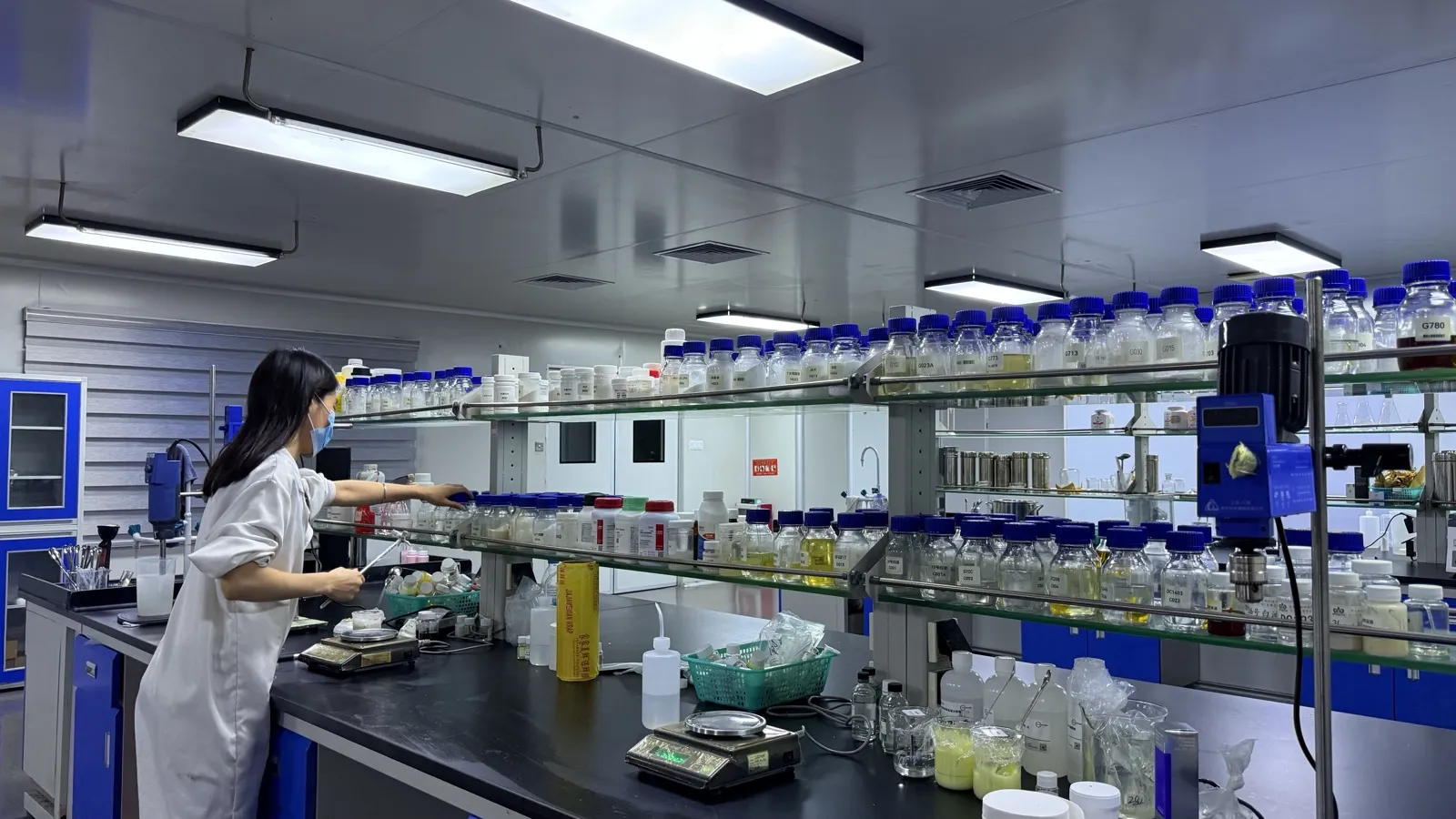
Working with the right OEM skincare manufacturer eliminates the guesswork from tropical formulation development. Here is how the process typically works:
Phase 1: Consultation and Market Briefing
Share your brand vision, target market, price positioning, and product concept. The R&D team analyzes your requirements against their library of proven tropical formulations and regulatory databases.
Timeline: 1-2 weeks
Phase 2: Formulation Development
R&D creates custom formulations or adapts existing bases to your specifications. This includes ingredient selection, concentration optimization, texture development, and preliminary stability checks.
Timeline: 4-6 weeks for custom development; 2-3 weeks for base adaptation
Phase 3: Sample Evaluation and Refinement
You receive samples for evaluation - texture, fragrance, absorption, appearance, and preliminary efficacy. Most brands go through 2-3 rounds of refinement before approval.
Timeline: 2-4 weeks per round
Phase 4: Stability and Compliance Testing
Approved formulations undergo accelerated stability testing at tropical conditions (40°C/75% RH), microbial challenge testing, and regulatory compliance verification for your target market.
Timeline: 8-12 weeks for accelerated stability
Phase 5: Production and Quality Control
Full-scale production with in-process quality controls, batch testing, and documentation for regulatory submission. Packaging, labeling, and logistics coordination included.
Timeline: 35-60 days for bulk production after formula, artwork, and packaging approvals; regulatory submission runs on a separate schedule
Phase 6: Ongoing Support
Post-launch support includes batch consistency monitoring, reformulation support for market expansion, regulatory updates, and new product development for line extensions.
Frequently Asked Questions
What makes skincare formulation for tropical climate different from regular formulations?
Tropical skincare formulation must account for consistently high temperatures (30-38°C), humidity above 75%, intense year-round UV exposure, and increased sebum production. This requires lightweight textures, oil-controlling actives, enhanced stability testing, and delivery systems that work despite sweat and humidity. Standard formulations developed for temperate climates typically feel too heavy, break down faster, and fail to address the specific skin concerns that tropical conditions create.
What are the best ingredients for humid weather skincare products?
The best ingredients for humid weather skincare include niacinamide (oil control and brightening), multi-weight hyaluronic acid (lightweight hydration), salicylic acid (pore clearing), green tea extract (antioxidant protection), Centella Asiatica (barrier repair), zinc PCA (sebum regulation), and alpha arbutin (brightening). These ingredients share common traits: water-soluble or lightweight profiles, proven efficacy in clinical settings, and compatibility with the gel and serum textures that tropical consumers prefer.
How do I ensure my skincare products are stable in tropical storage and shipping conditions?
Stability in tropical conditions requires testing at 40°C/75% relative humidity for at least 3 months (accelerated stability) and ideally 6-12 months at 30°C/75% RH (long-term tropical stability). Additionally, cycle testing between refrigerated and ambient temperatures simulates real logistics chains. Formulation choices like encapsulated actives, appropriate preservative systems, and heat-stable emulsifiers are critical. An experienced tropical skincare manufacturer will have established protocols for this testing.
What certifications do I need to sell skincare in Southeast Asian markets?
Certification requirements vary by country: Indonesia requires BPOM notification and an applicable BPJPH halal route; Thailand requires FDA Thailand notification; Vietnam requires MOH registration; Malaysia requires NPRA notification and benefits from Halal certification; the Philippines requires FDA Philippines product notification. Processing time depends on the product, market and completeness of the local filing. Your OEM manufacturing partner should guide you through these requirements with prepared documentation.
What is the minimum order quantity (MOQ) for custom tropical skincare formulations?
MOQs vary by manufacturer and product type, but for custom formulations with specialized delivery technology, typical minimums range from 1,000-5,000 units per SKU. Some manufacturers offer lower MOQs (500-1,000 units) for market testing phases, with scale pricing improvements at higher volumes. When evaluating MOQs, consider the total package: formulation customization, stability testing, regulatory support, and packaging are often included in the per-unit pricing rather than charged separately.
Ready to Develop Your Tropical Skincare Line?
The Southeast Asian skincare market rewards brands that respect the unique demands of tropical skin. Off-the-shelf formulations developed for other climates will not cut it. Your consumers know the difference.
Whether you are launching your first product or expanding an existing line into tropical markets, the right formulation partner makes the difference between a product that earns loyalty and one that gets returned.
Get started today:
- Share your brand concept and target market
- Receive a custom formulation proposal within 5 business days
- Access proven tropical-optimized bases ready for customization
Contact our R&D team to discuss your tropical skincare formulation project. We have been formulating for Southeast Asian markets since 2010, and bring advanced delivery technology and full regulatory support from concept to shelf.
GZ Cosmetics Lab is a professional OEM/ODM skincare manufacturer specializing in tropical climate formulations. With advanced delivery technology and deep expertise in Southeast Asian regulatory compliance, we help brands create products that perform in the world's most demanding skincare environments.
Related Products
Explore ready-to-customize formulations you can private label under your own brand.
Formulating for a hot, humid market changes the brief in ways that are easier to settle in conversation than on paper. If you are scoping a tropical-market line, send us the destination markets and target formats and we will come back on feasibility, stability testing scope and lead time.
Ready to Start Your Project?
Tell us your product requirements. Within 24 hours, our technical team will reply with a quotation or the questions needed to prepare one.