
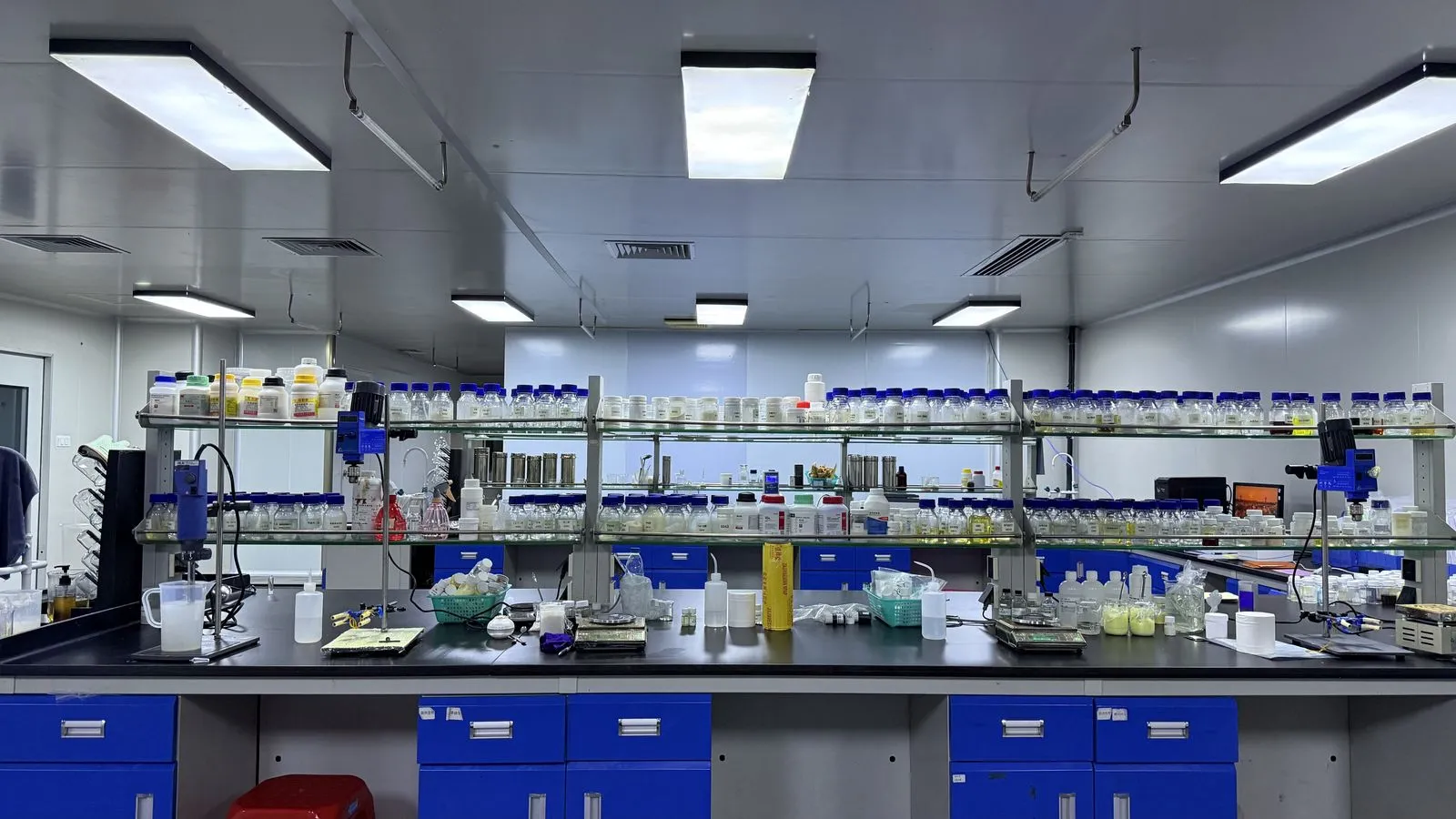
Our Technology Platform
The science behind our products. Our advanced supramolecular delivery platform and CDMO capabilities provide a documented route from formulation brief through testing scope and production scale-up.
Project planning guides
Choose the development route before the ingredient story
These pages turn a technology name into the decisions a buyer, formulator and compliance team need to make before sampling. They separate format feasibility, raw-material identity, testing and claims instead of treating one ingredient name as proof of a finished product.
Freeze-Dried Delivery
When a dry-unit and solvent format is worth the extra components, and how the vial, solvent, reconstitution and three specifications are planned.
Read the planning guide →Raw-material identity and claimsPDRN Skincare
How to document the material, label name and concentration basis, and where cosmetic claims end for a PDRN brief.
Read the planning guide →Formula, evidence and wordingEctoin Barrier Care
Matching format and contact time to a hydration or barrier story, and separating claims that need finished-product evidence.
Read the planning guide →Core Technology Platform I
Supramolecular Delivery Technology
Supramolecular carriers are one of the delivery-system options we assess when a formula depends on how an active is held and protected. Suitability, supporting data and any licensed technology or patent reference are confirmed for the specific project before they are quoted or published.
Four Properties We Assess
- ✓Carrier design — Encapsulation is engineered to hold actives in the intended phase of the formulation rather than letting them separate or settle
- ✓Uniformity — Distributes actives evenly through the base, so every unit in a batch matches the agreed specification
- ✓Stability — Aims to protect the active against light, air and temperature, confirmed by stability data for the final formula
- ✓Release behaviour — Assessed for the specific formula; any release or duration claim needs supporting test data
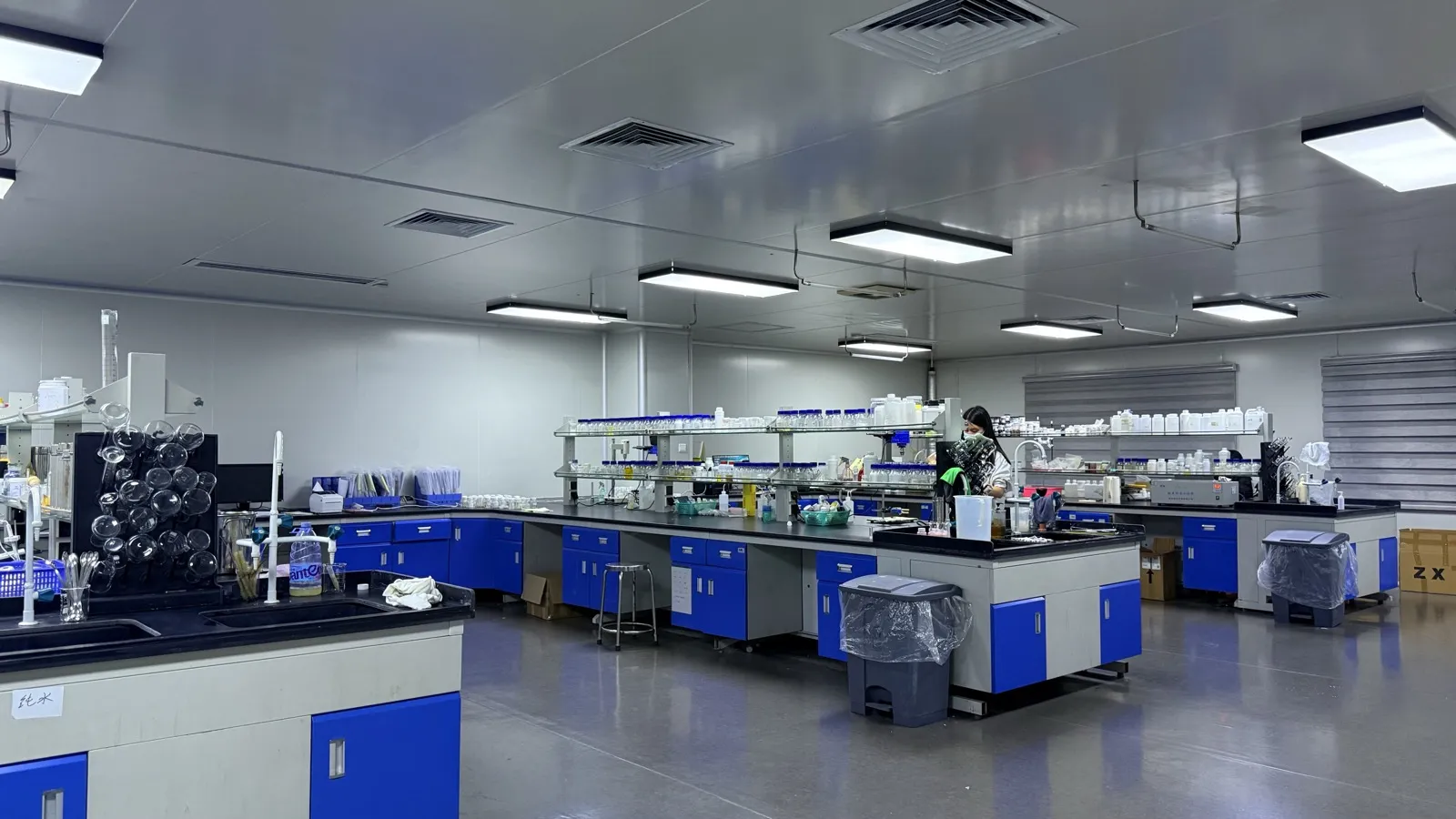
Core Technology Platform II
Cosmetics CDMO: One Coordinated Programme
Formulation R&D System
- ✓ New formula design and optimization
- ✓ Testing plan incl. safety and challenge testing
- ✓ Multi-dimensional visualized efficacy presentation
- ✓ Accelerated and long-term stability studies
Technology Empowerment System
- ✓ Global ingredient trend analysis
- ✓ Efficacy logic interpretation and storytelling
- ✓ Scientific content support for marketing
- ✓ Claim substantiation plan; testing via qualified labs
Supply Chain Assurance
- ✓ Sourcing options assessed per project
- ✓ Incoming raw material quality control
- ✓ Materials from established suppliers
- ✓ Grade and documents confirmed per formula
Regulatory Filing System
- ✓ Ingredient registration support (China); EU ingredient compliance assessment
- ✓ Patent-filing support with external advisers
- ✓ Product notification documentation and filing coordination
- ✓ Export compliance documentation
Technology Areas and Patent-Filing Support
IP and patent-filing support can be scoped with qualified external advisers. Ownership, permitted use, filing territories, costs and disclosure rights are agreed in writing before development starts. The areas below are ones buyers often raise; for each project we confirm which ingredients, technologies and supporting documents actually apply.
Formulations built on them can be developed for our skincare, body care, and hair care product lines.
Established Raw Material Suppliers
We source from established global specialty-chemical suppliers and select each material against the agreed formula, specification, destination market, and project budget.
From Bench to Line
What Keeps a Delivery Platform Intact in Production
A carrier system is easy to demonstrate on a lab bench and easy to lose on a filling line. Shear, heat, holding time and the order in which a phase goes in will all undo a self-assembled structure, and nothing on a certificate of analysis tells you it happened. This is the part of the technology question that buyers tend to skip and auditors never do, so it is worth setting out what actually sits behind the platform.
Production runs across 13 lines in 100,000-class cleanrooms with capacity over 200,000 units a day, on a 16,000 m² site in Huadu District, Guangzhou that has been manufacturing since 2010. Line count matters less as a capacity number than as a queueing one: parallel lines mean a formulation with a narrow processing window is less likely to sit waiting behind someone else’s run.
Four checkpoints, not one final inspection
Quality control is structured the way a cosmetics auditor expects to see it, which is also the structure that catches a carrier problem early enough to matter:
IQC — incoming
Raw materials and packaging checked on arrival, before anything enters a batch.
IPQC — in-process
Checks at every production stage, which is where a processing deviation shows up while it is still correctable.
FQC — finished product
Appearance, pH, viscosity and microbiology on the finished batch.
OQC — pre-shipment
Outgoing inspection including packaging integrity, before the batch leaves.
Behind those four sits full batch traceability: any finished unit can be traced back to its raw material lots. That record supports investigation and claim substantiation by linking a finished batch to its inputs and controls. Independent testing through SGS is available on request, and formulation work is handled by an in-house R&D function connected to production.
Verify it rather than trust it
The ISO 22716 and GMPC certificates carry numbers HBPCER20260352 and HBPCER20260353, both issued by Intertek and valid to 15 July 2029, and they are checkable by anyone at certs.intertek.com.cn — the database address printed on the certificates themselves. Both are subject to annual surveillance audits, so they describe a system under ongoing review rather than a single passed inspection. A factory visit booked at least three days ahead covers the cleanroom, the R&D lab, the production lines and the QC department.
One limit stated plainly, because it is the thing most often misread: a GMP certificate describes how the factory operates, not your specific product. It is not a registration or an approval in any market, and it does not remove your obligation for product notification, safety assessment and labelling compliance wherever you sell. What it does is establish that the manufacturing environment behind your formula has been audited by a third party — which is the precondition for everything else, not a substitute for it.
Questions buyers ask about the technology
What does supramolecular delivery technology do in practical terms?
It is a delivery platform rather than an ingredient, and it acts on four things. Encapsulation, meaning the carrier holds the active in the intended phase instead of letting it disperse freely through the base. Uniformity, meaning the active is distributed evenly so each unit in a batch matches the specification. Stability, meaning actives are protected against light, air and temperature in the finished formula. And release behaviour, which is a property to test for the specific formula rather than a fixed figure. Whether the platform suits a given product is assessed per project.
What is supramolecular technology in a skincare formula?
In a formula it is not an ingredient you would find on the INCI list as "supramolecular". It is the carrier arrangement that decides where an active ends up. A conventional formulation disperses the active through the base and relies on it finding its own way; a supramolecular carrier is a self-assembling structure that holds the active and releases it in a controlled way, which is why we describe the platform through four properties to be tested for each formula rather than a marketing name: encapsulation of the active, even distribution through the base, stability against light, air and temperature, and release behaviour. The practical consequence for a brand is that the same active at the same percentage can behave differently depending on how it is carried, so a percentage on a label tells you less than people assume. It matters when your positioning depends on an efficacy claim you will have to substantiate, and it is a waste of money when the product competes on texture, scent or price.
Is the technology yours, or licensed from someone else?
We do not claim it as our own invention. Delivery-system options are assessed against the formula, target claim and available technical documentation, and any licensed technology, patent reference or performance claim is confirmed for the specific project before it is quoted or published. Buying an ingredient that is covered by someone else's patent does not by itself give a brand the right to claim that patent, so we confirm the documentation for your project rather than offer a generic patent list. Areas we are often asked about include PDRN, Ectoin, S-Pro-Xylane, exosome-derived ingredients, supramolecular carriers and freeze-dried actives.
When is the platform worth paying for, and when is it not?
It earns its place when your positioning rests on an efficacy claim you will later have to substantiate, because that is where carrier and stability data actually get scrutinised. It earns nothing when the product competes on texture, scent, packaging or price, and adding it there just raises your cost base. We would rather say that than apply it by default, and plenty of projects here are quoted as conventional formulations. If you are unsure which side your product sits on, describe the claim you want to make and we will tell you whether the platform changes anything for it.
Can you support regulatory filing for my market?
We support the documentation side. That includes technical documentation for new ingredient registration or filing in China and ingredient compliance assessment for the EU, patent-filing support with qualified external advisers, cosmetics product notification support, and export compliance documentation. What we cannot do is be your legal filing party in a market that requires a locally established one, and that limit is real in most destinations. A GMP certificate is not a market entry, so tell us the destination country early and we will set out which of our documents carry weight there and which do not.
A delivery platform is a lab claim. How do you hold it together in production?
Through the quality checkpoints, because a carrier that survives a bench trial and fails on a filling line is worth nothing to you. Production runs across 13 lines in 100,000-class cleanrooms, and quality control sits at four named checkpoints rather than one final inspection: IQC on raw materials and packaging when they arrive, IPQC at every production stage, FQC on finished product covering appearance, pH, viscosity and microbiology, and OQC as a pre-shipment check including packaging integrity. We maintain full batch traceability, so any finished unit can be traced back to its raw material lots — which is the part that matters when a claim is questioned, because you can go back to the batch instead of arguing from a specification sheet. Independent testing through SGS is available on request.
Can I verify the quality system rather than take your word for it?
Yes, and we would rather you did. The ISO 22716 and GMPC certificates are numbered HBPCER20260352 and HBPCER20260353, both issued by Intertek and valid to 15 July 2029, and you can check them yourself at certs.intertek.com.cn rather than working from a PDF we sent you. Both are subject to annual surveillance audits, so they are not a one-time exercise. You can also come and look: the site is in Huadu District, Guangzhou, and a visit booked at least 3 days ahead covers the cleanroom, the R&D lab, the production lines and the QC department. One limit worth stating plainly — a GMP certificate describes how the factory operates, not your specific product, so it is not a registration or an approval in any market.
Where do your raw materials come from?
We source materials from established suppliers, including specialty-ingredient companies such as BASF, Symrise and Croda. The exact grade, origin, specification and supporting documents are confirmed for each formula. For a new or unusual active, sourcing is assessed per project: an established supplier, supplier technical documentation, or a joint-development option where one exists. Independent product testing through SGS is supported on request.
Assess the Technology for Your Formula
Tell us about your product concept and the claim you want to make. Our R&D team will tell you which delivery options suit the formula and what data each would need.
Response within 24 hours · WhatsApp available · Factory visits welcome