
Ectoin Barrier-Care Formulation
A planning guide for barrier, hydration and comfort projects built around Ectoin: supplier identity, use level and basis, formats, preservation, evidence and claim wording.
Project planning guide
The ingredient name is not the evidence
Ectoin can be a useful ingredient direction, but the ingredient name is not the finished-product evidence.
The project still has to define the supplier material, the use level and its basis, the formula, the preservative system, the pack, the destination market and the exact barrier or comfort claim the brand intends to make. Each of those changes what the finished product can support.
Ectoin, also written Ectoine, is an identified chemical substance with a public identity record at NIH PubChem. That record confirms what the substance is. It is not evidence of cosmetic performance, and it says nothing about a specific formula.
When Ectoin fits the brief, and when it is only a label
Ectoin projects work best when the ingredient supports a cosmetic story the brand can document, not a trend name on the front panel.
Use it when
- The product strategy is hydration, comfort or barrier-support positioning within a cosmetic route.
- The supplier grade and concentration basis can be documented.
- The dosage form and contact time match the commercial story.
- The brand is prepared to support sensitive-skin, barrier or performance claims separately where needed.
Reconsider it when
- The brief relies on eczema, dermatitis, inflammation treatment or healing language.
- The ingredient is being added only to put a trend name on the front panel.
- A rinse-off format is expected to support the same story as a leave-on product without evidence.
- Sensitive skin, hypoallergenic, dermatologist tested and barrier repair are being treated as interchangeable claims.
Dosage-form directions to evaluate
Contact time and pack shape what each format can credibly say. These are directions, not existing formulas that already contain Ectoin.
Serum or essence
Leave-on, light texture. Check the water phase, preservation and compatibility with other actives in the brief.
Gel cream or face cream
Leave-on with more occlusion. Emulsion compatibility, texture target and jar or tube choice drive the formula.
Essence lotion or body lotion
Larger fill and wider application area. Cost per unit and preservation over a longer use period matter more here.
Gentle cleanser or body wash
Rinse-off with short contact time. Any claim has to reflect that limitation rather than borrow the leave-on story.
Mask or other occlusive format
Confirm substrate and pack compatibility, fill per unit and how the contact time affects the claim.
No listed product is presented here as containing Ectoin. Feasibility is confirmed per project against the selected material and formula.
Formula-development questions to answer first
These inputs decide the formula, the test plan and the claim route. Collect them before sampling.
- Supplier material, grade and COA.
- Proposed use level, and whether it is quoted on a pure or as-supplied basis.
- Finished pH, preservative system and other actives in the formula.
- Texture and sensory target.
- Fragrance-free or sensitive-skin expectations.
- Pump, dropper, tube, jar or sachet selection.
- Target market and final claim wording.
pH range, use level and performance depend on the chosen material and the finished formula, so none is published here as a universal figure.
How an Ectoin brief moves to sampling
Settle the claim you intend to make early, because it decides the format and the evidence the project needs.
Step 1: Name the claim and the market
Write the intended hydration, comfort, barrier or sensitive-skin wording and where it will be sold.
Step 2: Select and document the material
Confirm supplier, grade and COA, and agree the use level and its basis.
Step 3: Match format to contact time
Choose leave-on or rinse-off in line with the claim, then pick the pack.
Step 4: Build the formula and preservative system
Set pH, preservation, fragrance direction and texture against the brief.
Step 5: Agree the test and evidence scope
Decide which claims need finished-product evidence and which tests the market and channel require.
Step 6: Sample, test and check artwork
Sample, run the agreed scope and check ingredient list and claims before release.
Testing and evidence matrix
Scope is agreed per formula, pack, claim and market. Listing an area here does not imply a result.
| Area | Scope to agree |
|---|---|
| Routine specification | Appearance, odour, pH, viscosity and agreed microbiological criteria. |
| Formal stability | Run on the final formula, not an early prototype. |
| Preservative challenge or PET | For relevant water-containing formats. |
| Formula-pack compatibility | Tested with the final assembly, including closure and dispensing parts. |
| Sensitive-skin and safety work | Where the positioning requires it, scoped to the exact wording. |
| Consumer, instrumental or clinical-style substantiation | Only when the final claim requires it, and designed around that claim. |
| Artwork and ingredient-list consistency | Checked against the final formula before production release. |
Which tests are run, by whom and to what protocol is agreed in the quotation.
Claim boundaries for Ectoin barrier care
Barrier language sits close to the line between cosmetic and medical wording. Plan the claim before the formula, not after.
Possible cosmetic direction
- Hydration
- Comfort
- Softness
- Appearance of a supported barrier
Needs finished-product evidence
- Quantified hydration
- Transepidermal water loss
- Redness appearance
- Sensitive-skin suitability
- Duration claims
Avoid without a different regulatory route
- Eczema
- Dermatitis
- Inflammation treatment
- Wound healing
- Disease prevention
Cosmetic directions remain subject to wording review. The FDA page below is a US example; other markets must be reviewed separately.
Existing format references
These links show dosage forms and packaging directions already on the site; they are not a statement that the current formula contains Ectoin.
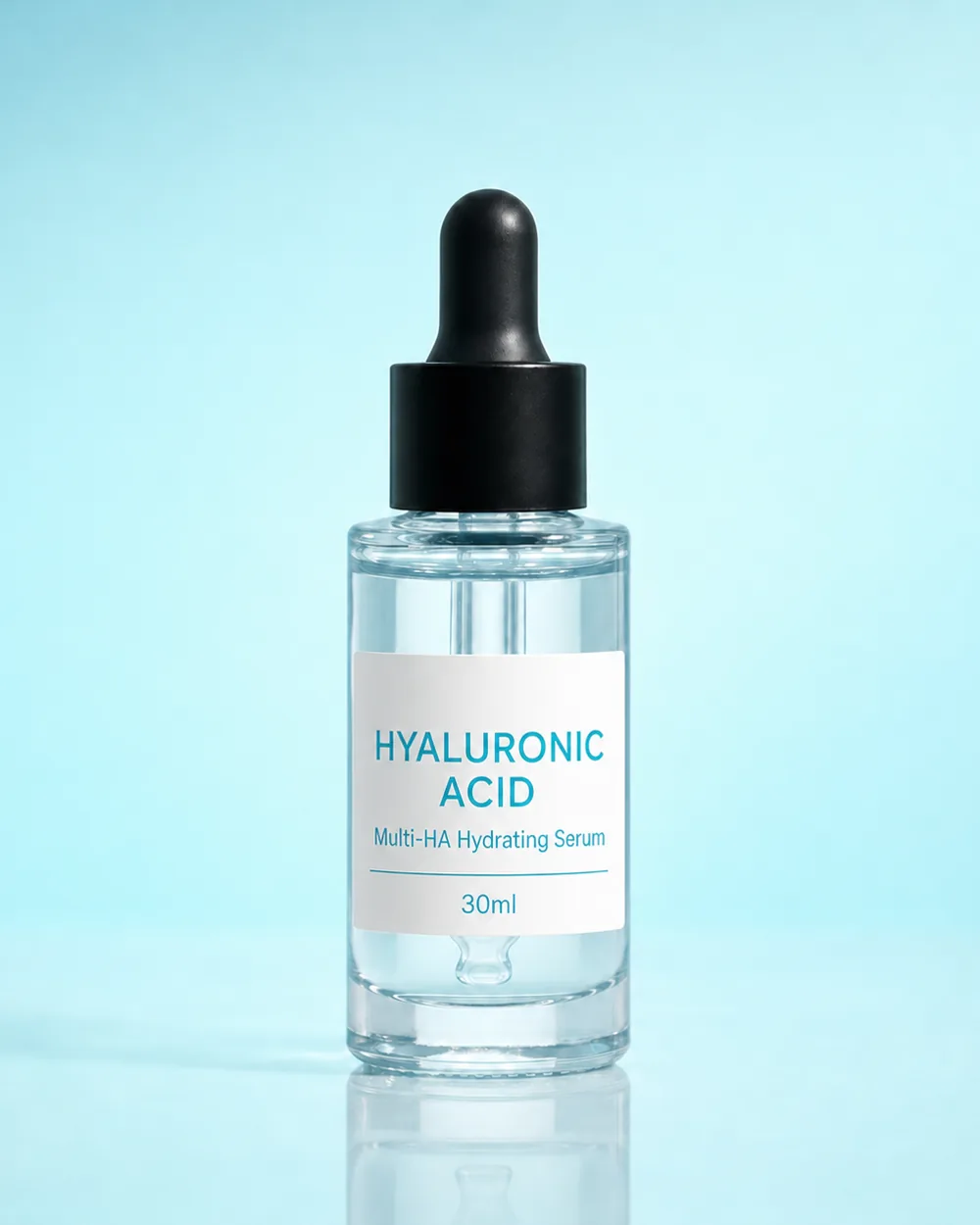
Multi-HA Hydrating Serum
Clear or light-colored dropper bottle
View format →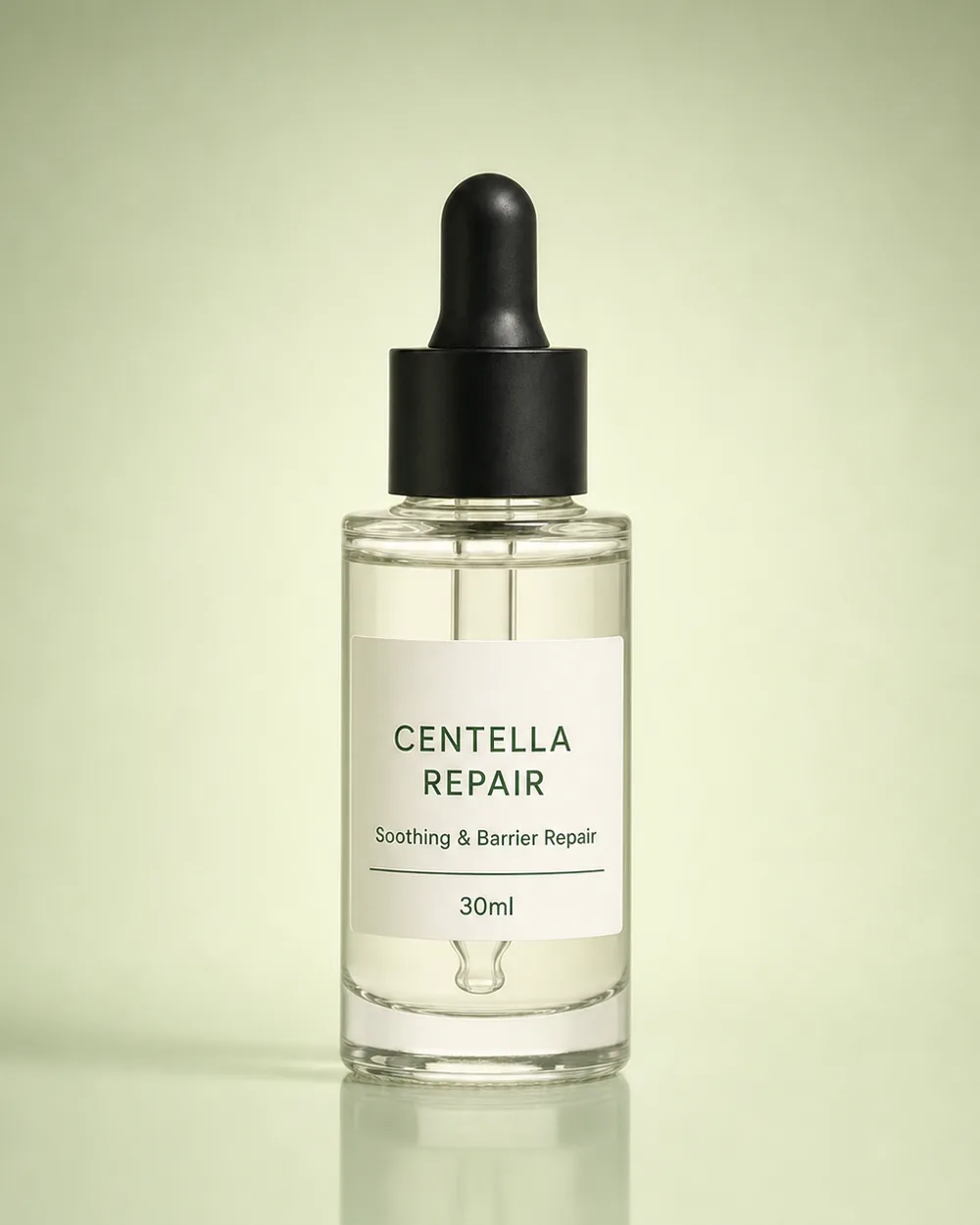
Centella Repair Serum
Clinical-style Dropper bottle or Airless Pump bottle
View format →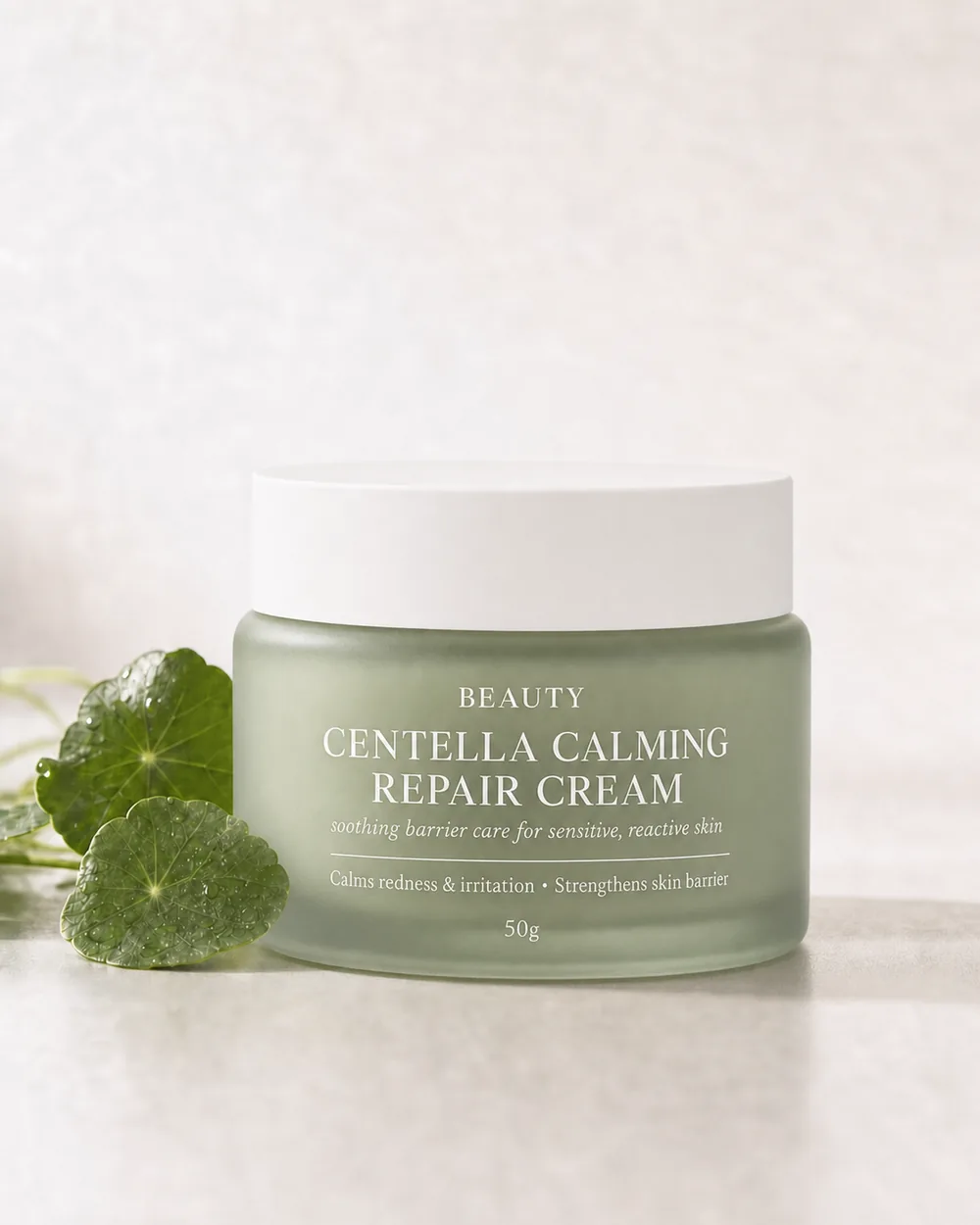
Centella Soothing Repair Cream
Clinical-style jar or airless press bottle; Gel Cream version available
View format →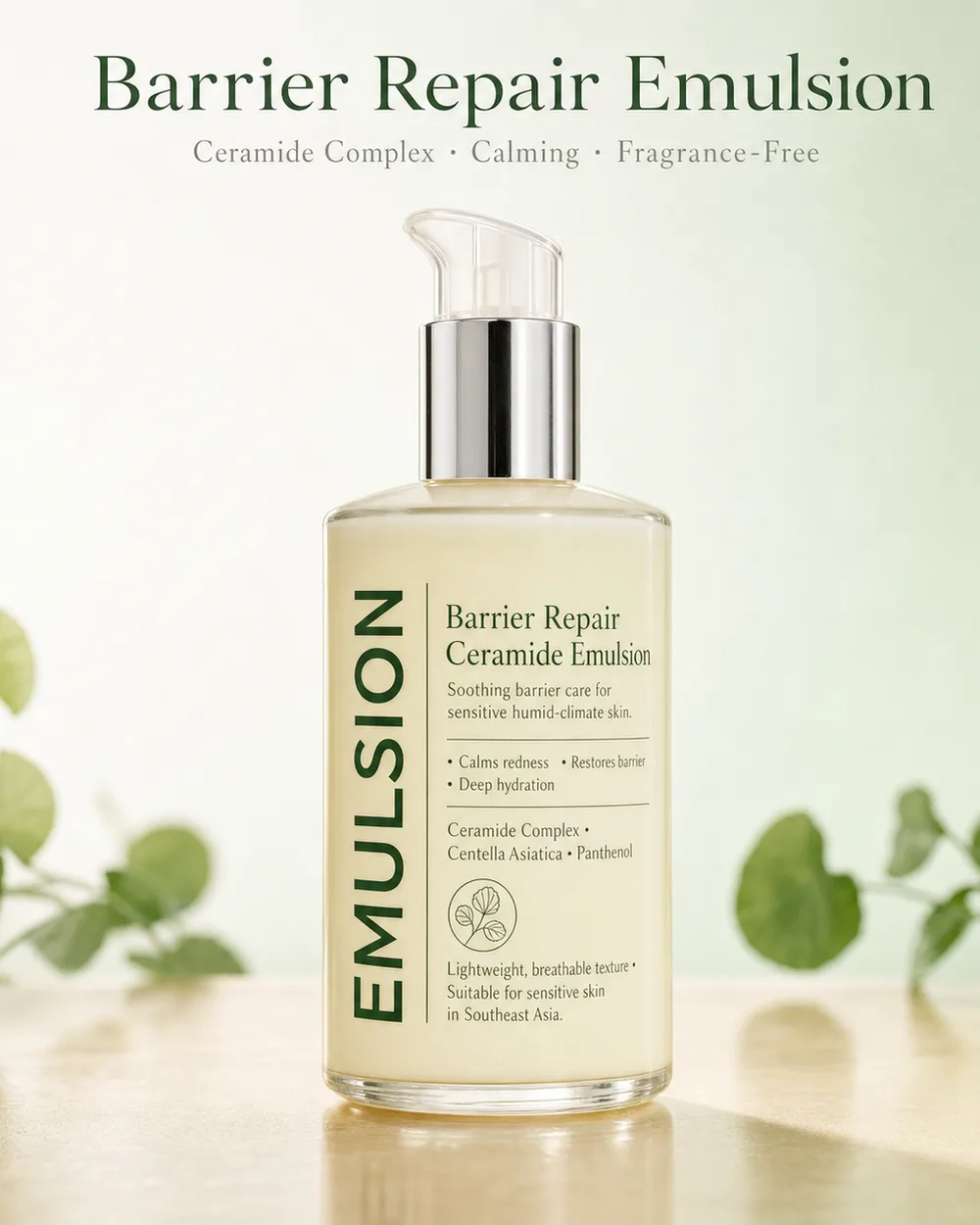
Barrier-First Moisturizing Essence Lotion
Serum/lotion pump bottle or airless bottle
View format →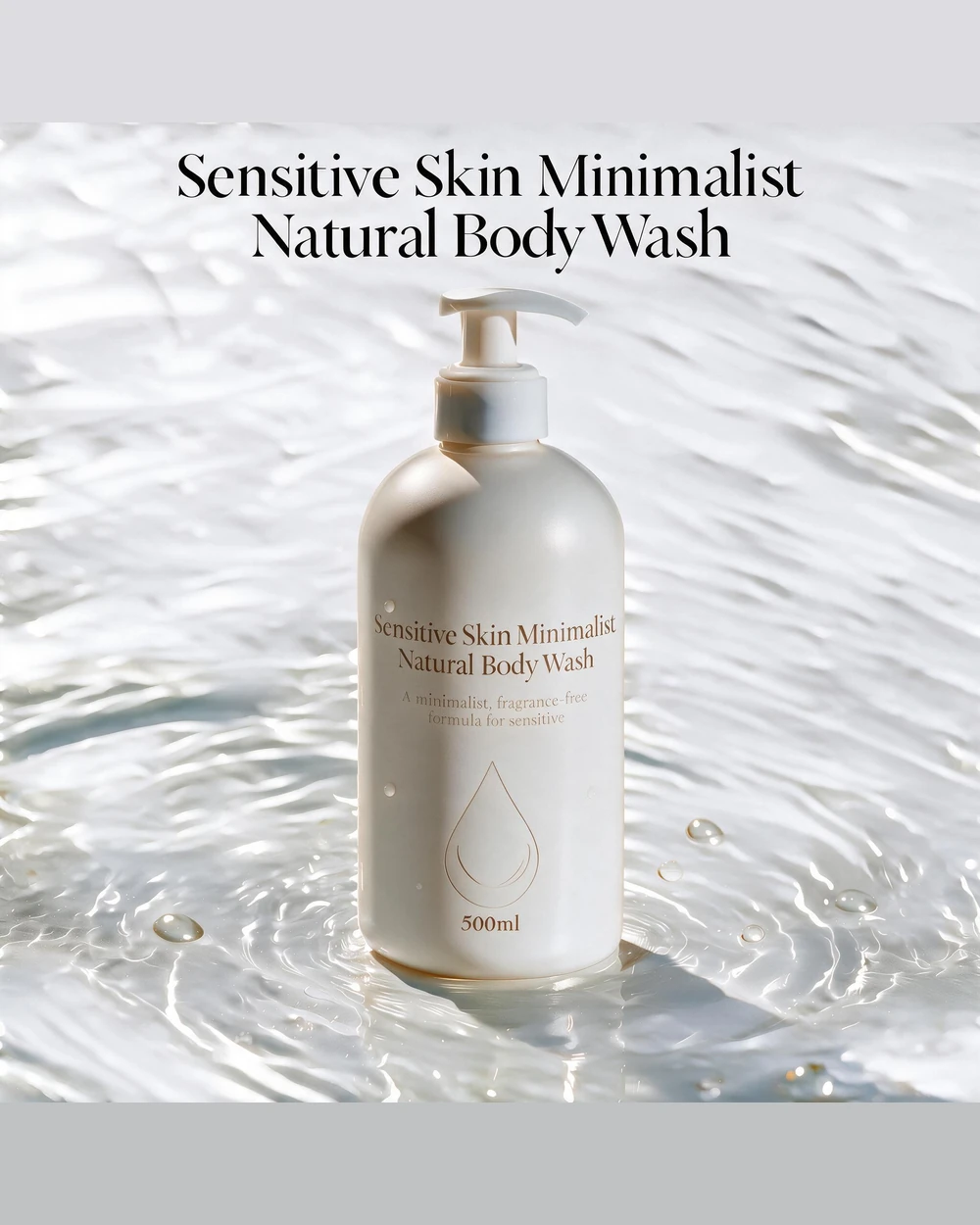
Sensitive Skin Minimalist Body Wash
Clinical-style Pump bottle
View format →What to include in an Ectoin brief
These fields let the first quotation reflect the real formula, pack and evidence scope.
- Destination market and sales channel.
- Supplier material and grade.
- Concentration and its basis.
- Dosage form, texture, fragrance direction and packaging.
- Intended hydration, comfort, barrier or sensitive-skin claims.
- Quantity, launch timing and expected evidence package.
Related pages
Formula, documentation and packaging work combined in one project.
What sits in routine manufacturing and what is scoped separately.
The wider technology page and the other planning guides.
Official references
Identity and regulatory starting points. None of them is evidence that a finished product works or complies.
Chemical identity record for the substance. It is not cosmetic efficacy evidence.
US example of how claim wording can move a product from cosmetic toward drug status. Other destination markets need their own review.
Starting point for ingredient names and EU regulatory research. A CosIng entry does not show that a finished product is compliant.
Questions buyers ask
Does adding Ectoin let a product claim barrier repair?
Not by itself. Barrier wording depends on the finished formula, the format and the evidence behind the exact claim, and some barrier language sits close to medical wording in certain markets. Agree the wording and the evidence route before the formula is fixed.
Are sensitive skin, hypoallergenic and dermatologist tested the same claim?
No. Each describes something different and each needs its own support. Treating them as interchangeable is one of the most common reasons artwork has to be reworked late.
Can a cleanser carry the same Ectoin story as a serum?
Usually not without evidence. A rinse-off product has a short contact time, so the claim should reflect that. In a range, the leave-on product normally carries the main barrier story.
Why not publish a standard Ectoin level?
Because the right level depends on the material grade, the basis it is quoted on, the formula and the claim. A universal figure would not hold across projects, so the level is set per brief.
Plan an Ectoin barrier-care project
Send the claim you want to make, the destination market, the format and the pack direction. We will come back with the formula questions, test scope and claim limits to settle first.
Pricing and timing depend on the formula, packaging, quantity, testing and destination market.