
Factory Capabilities
Review GZ Cosmetics Lab site scale, production lines, cleanroom environment, product formats, R&D team and the questions to confirm before a factory audit.
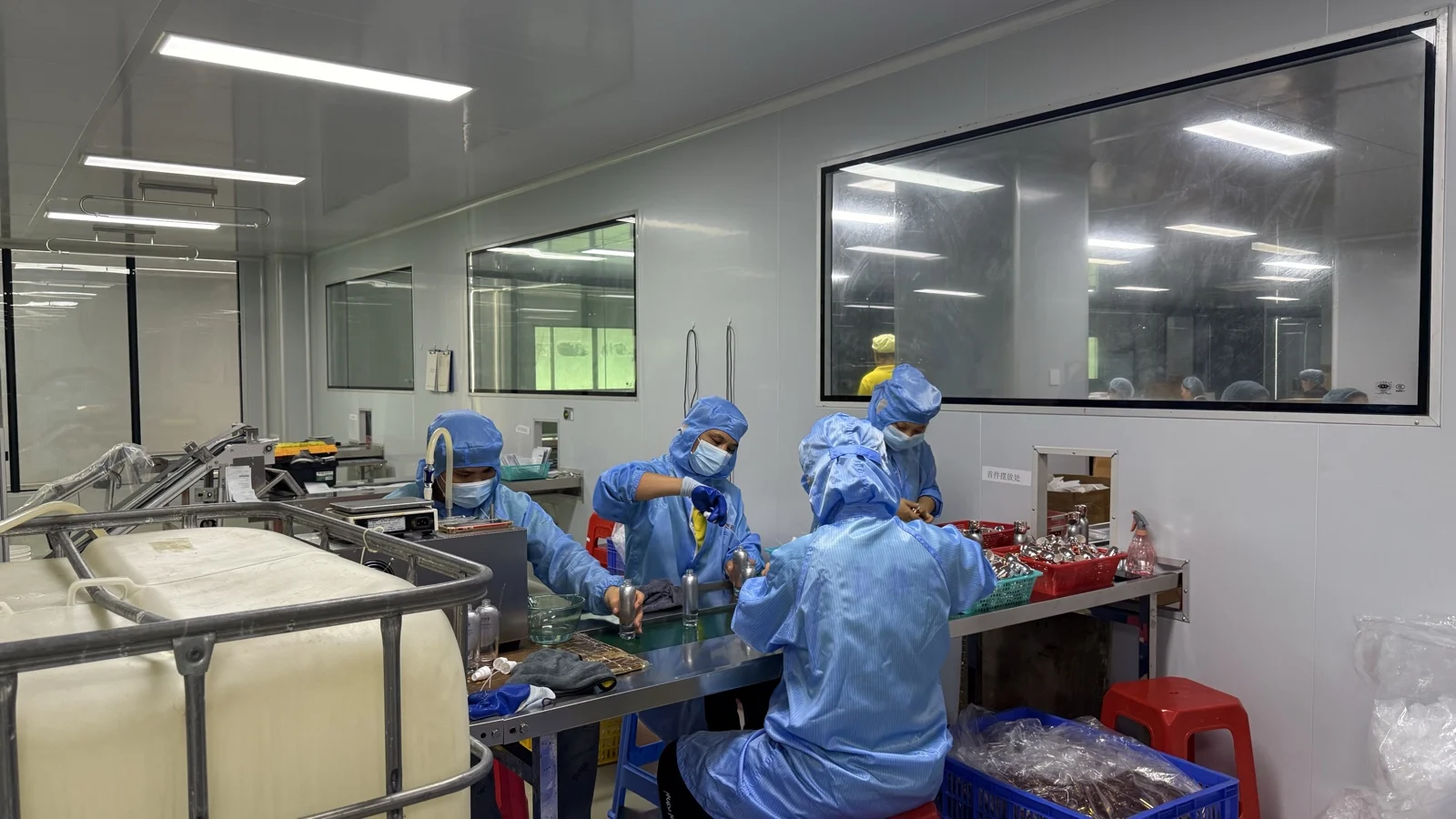
From development to filling under one manufacturing entity
Factory capacity matters only when it matches the formula, component and order you plan to place. A total line count does not tell you whether a specific airless bottle, tube, jar, sachet or freeze-dried set can run without adaptation.
Our published site facts give buyers a starting point. Final line allocation, component fit, output and schedule are confirmed against the approved specification rather than promised from a general capability page.
16,000 m²
site
12,000 m² production and 4,000 m² offices
13
production lines
operating in 100,000-class cleanrooms
200,000+
units per day
published total site capacity, not a per-SKU promise
50+
R&D team
within a total headcount of 150+
Formats we plan around
Bottles, pumps and droppers
Liquid and serum projects require component fit, dose and compatibility confirmation using the intended assembly.
Jars and tubes
Viscosity, filling conditions, closure selection and decoration determine the line and component minimum.
Masks, patches and sachets
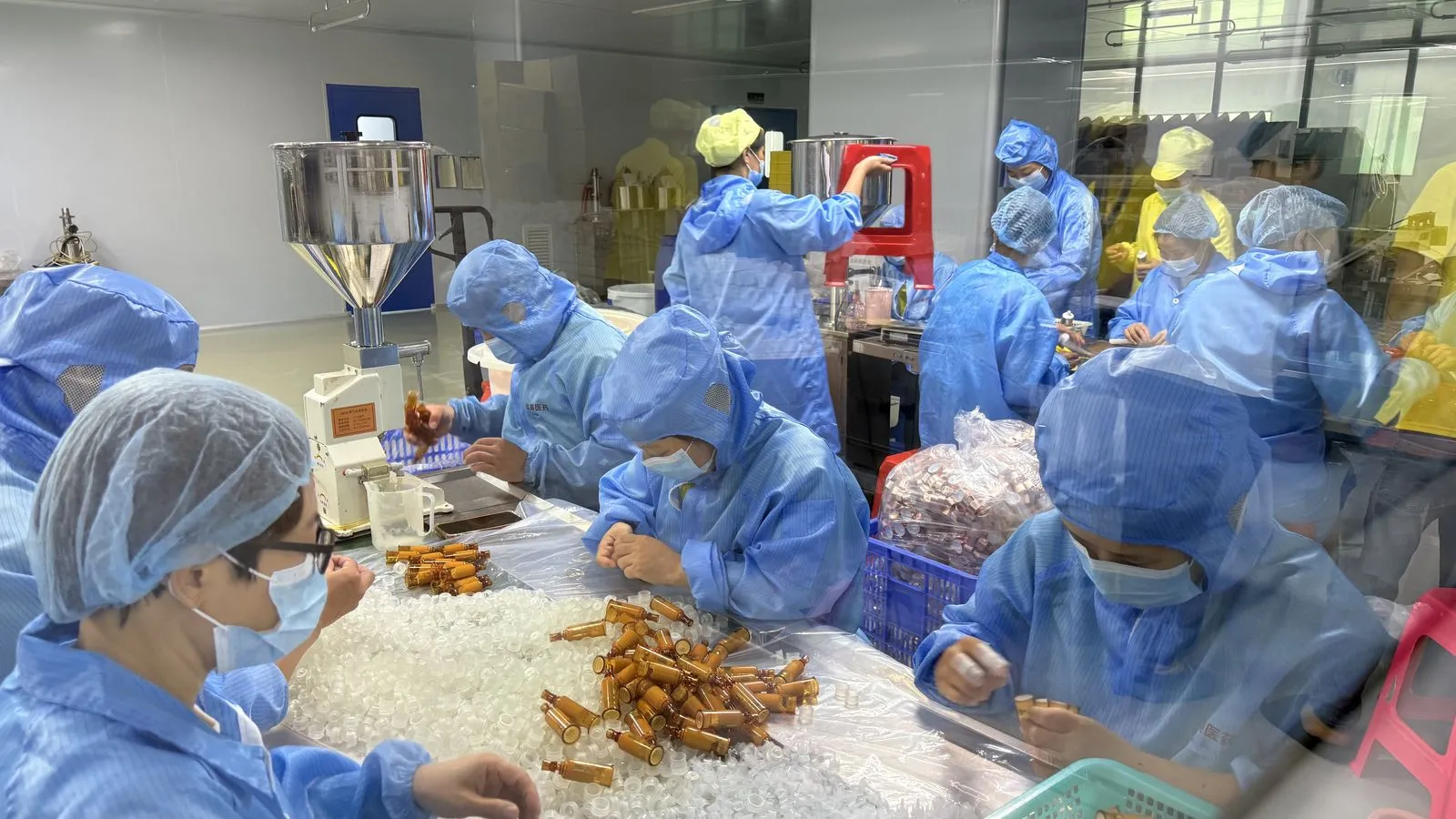
Individually sealed formats use different filling and sealing economics from bottles and carry their own minimums.
Freeze-dried sets
Vial, dried product, solvent and secondary packaging form one system and need coordinated stability and assembly planning.
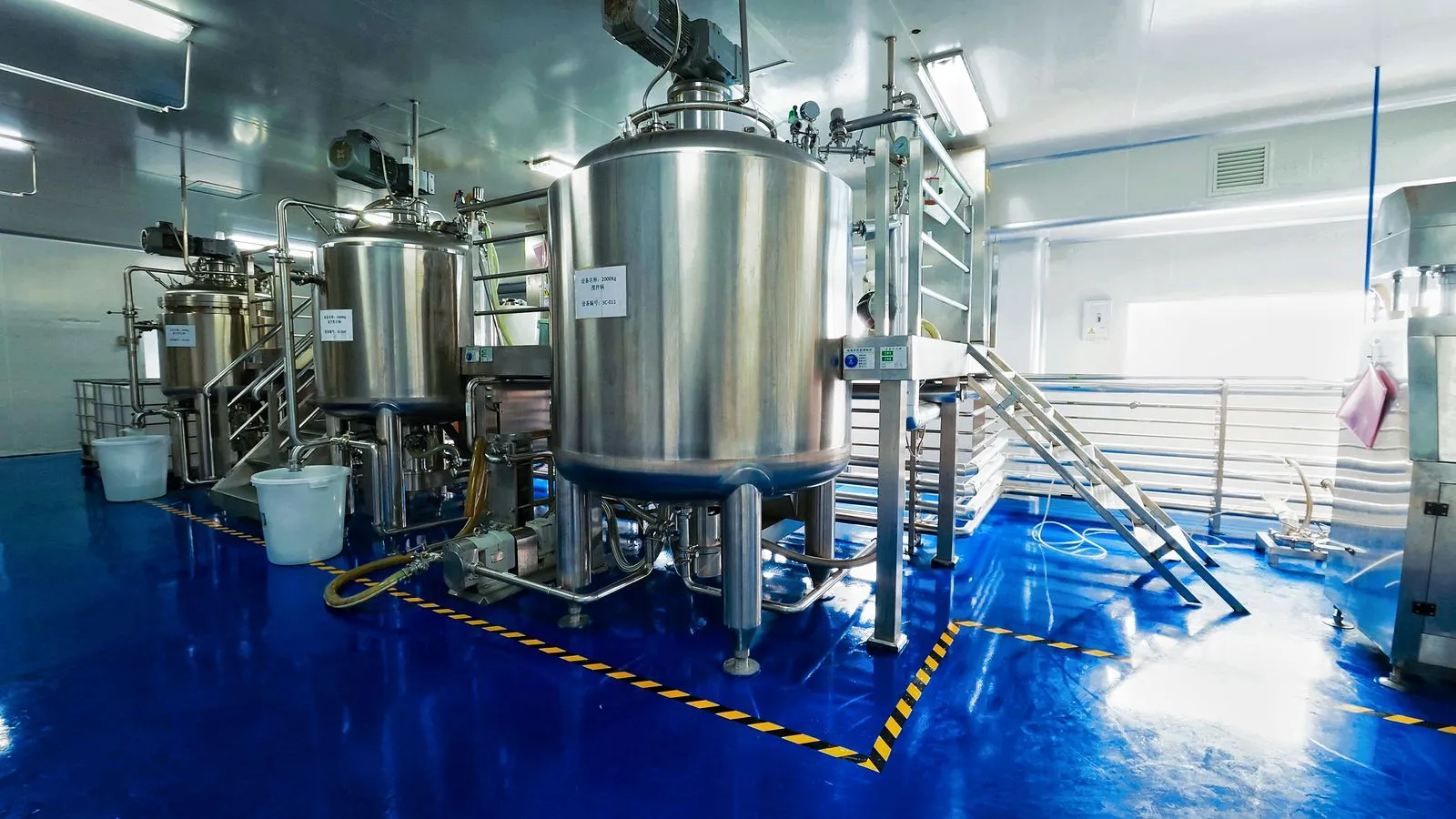
Processing and filling are separate capability questions
What determines usable capacity
Published daily capacity is an overall site figure. Your usable output depends on batch size, formula processing, component geometry, filling speed, changeover and required inspection. We therefore confirm capacity after reviewing the SKU list and physical component samples.
Development and scale-up
Brief and feasibility
We review product type, claims, markets, packaging and target cost before committing to a route.
Sample and specification
Approved sensory and technical targets become the basis for scale-up and testing.
Representative production
Process variables and component performance are checked on the intended equipment before routine supply.
Batch records
Finished production remains traceable to raw-material and packaging lots through the quality system.
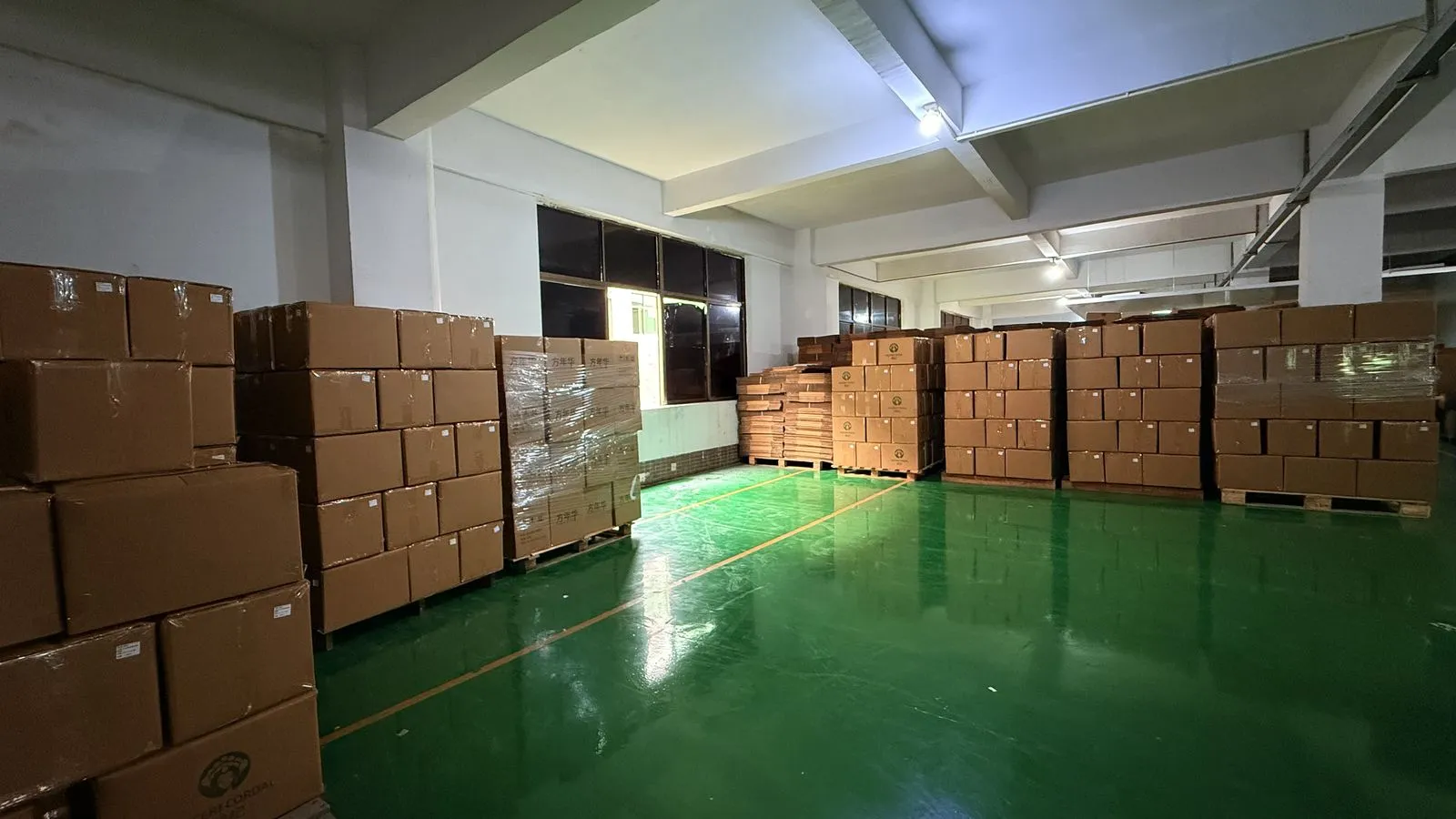
Components enter before finished goods leave
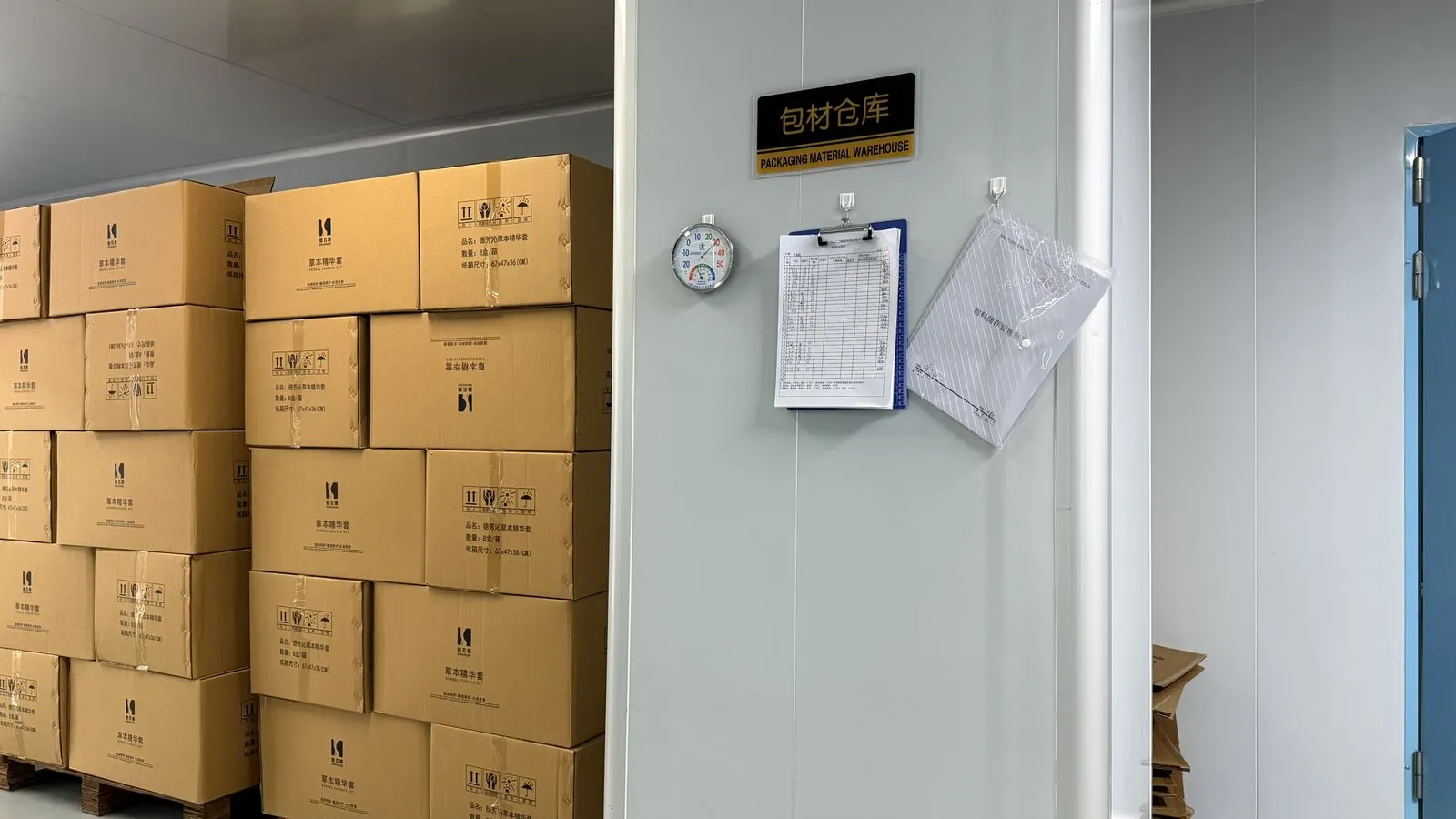
What to bring to a capability review
Bring the formula or benchmark, target markets, annual volume by SKU, pack drawings or samples, required decoration and the claims you plan to print. Those inputs let the team identify the right process and line rather than answer with a generic factory brochure.
How a project moves from sample to repeatable production
Feasibility
The brief is screened for formula, claims, packaging, market and volume conflicts. A technically possible sample is not enough if the component minimum or regulatory route makes the launch unrealistic.
Laboratory sample
The sample establishes sensory direction and an initial technical target. It remains development material until the formula code, specification and intended pack are confirmed.
Scale-up
Heat transfer, shear, mixing time and vessel geometry change with scale. Representative confirmation checks whether the process produces the approved product rather than assuming a bench result transfers automatically.
Filling-line trial
Physical components are checked for handling, filling, capping or sealing and dispenser function. Drawings alone do not prove that a supplier's component will run.
Routine production
Approved raw materials, process instructions, in-process checks, finished specifications and packaging records form the repeatable manufacturing package.
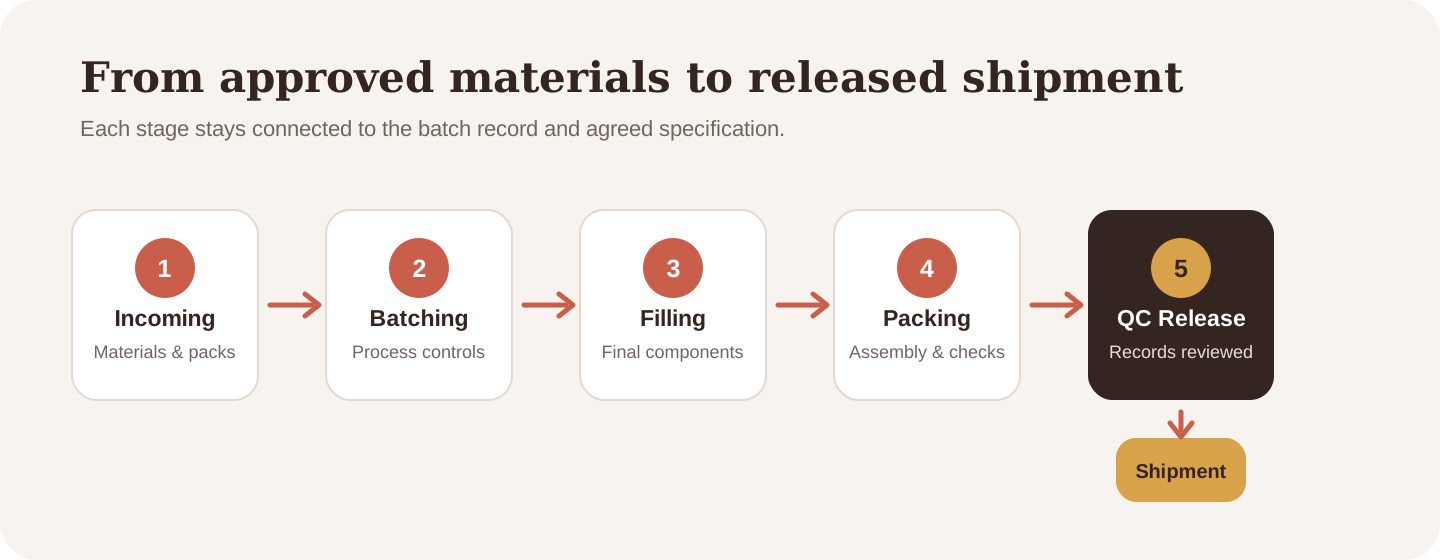
The manufacturing flow
What the 13-line figure does not tell you
Line count is a site-level fact, not a promise that every line can make every product. Different formats require different filling, sealing, assembly and inspection steps. A high-viscosity cream, low-viscosity toner, foaming pump, tube, mask sachet and freeze-dried set should not be forced into one generic capacity calculation.
Formula behaviour
Viscosity, foaming, temperature sensitivity and air entrainment influence processing and filling.
Component geometry
Neck finish, opening, closure, tube diameter, pump design and decoration affect equipment fit and handling.
Changeover
Cleaning, setup and inspection time influences the economic run size and schedule.
Quality requirements
Sampling, functional checks, secondary assembly and customer-specific inspection can reduce nominal output.
Questions to use during a factory audit
Can the team show the intended process flow?
Follow the project from incoming materials through batching, filling, packing, quarantine and release rather than touring only the cleanest room.
Which equipment and line would run the SKU?
Ask for the reason, known component limitations and what physical samples are needed to confirm fit.
How is status controlled?
Look for clear separation of released, quarantined and rejected materials or goods and the records supporting each status.
How is a batch traced?
Select a finished unit or example batch and ask how it links back to formula version, production record, raw-material lots and packaging lots.
What changes require approval?
Supplier, grade, formula, component, process and site changes should not enter routine supply invisibly.
What evidence leaves with the order?
Confirm the agreed COA, specifications, reports, release documents and any retailer-specific file before signing.
Capacity planning for a multi-SKU launch
Plan volume per SKU and format, not as one pooled total. Five products may require different batches, lines, components and changeovers even when they belong to one range. The schedule should show dependencies: component approval before artwork, compatibility before a supplier substitution is accepted, production after release criteria are agreed, and shipment only after the required batch evidence is complete.
Packaging readiness decides whether a line can actually run
A visually approved bottle is not yet a production-ready component. The team needs physical samples and the controlled component specification early enough to review contact materials, dimensions, closure, decoration, transport packaging and the intended filling and assembly sequence.
Fit
Confirm that the container, closure and dispenser can be handled, filled, closed and inspected on the intended equipment.
Function
Define priming, dose, seal, leakage, evacuation or closure criteria that matter to the user.
Compatibility
Assess the final formula against the complete assembly and relevant orientations rather than testing only the bottle body.
Decoration
Check label, print, coating and carton dimensions after the component is confirmed, not before.
Supply continuity
Record the supplier and part reference so an apparently similar substitution cannot enter purchasing unnoticed.
Line trial decision
Agree what sample quantity and success criteria are required before purchasing full production quantities.
Frequently asked questions
Does 200,000 units per day apply to my SKU?
No. It is a published total-site capacity figure. Actual output depends on formula, pack, batch, changeover and inspection requirements and must be confirmed per project.
Can I supply my own packaging?
Yes, subject to physical samples, filling-line fit, quality specifications and compatibility work being agreed early enough.
Can I audit the factory?
Factory visits are welcome with advance booking. The audit scope and any confidential production areas or documents should be agreed before the visit.
Check whether your formula and pack fit the line
Send the SKU list, volumes, packaging references and destination markets. We will identify the questions that must be resolved before sampling and tooling.
Response within 24 hours · WhatsApp available · Factory visits welcome