
How to Start a Private Label Skincare Line: MOQ, Costs & Timeline
What Is Private Label Skincare?
Private label skincare means selling products made by a third-party manufacturer under your own brand name. Instead of building a factory, hiring cosmetic chemists, and developing formulas from scratch, you partner with an existing manufacturer that handles formulation, production, testing, and filling - while you own the brand, the packaging, and the customer relationship. It is the same model behind most indie beauty brands you see on Amazon, Shopify, and TikTok Shop.
In practice, "private label skincare" covers a spectrum. At one end, you pick a ready-made formula from the manufacturer's catalog and add your label - fastest and cheapest, but other brands may sell a near-identical product. At the other end, the manufacturer's R&D team develops a custom formula to your brief (this is technically ODM). Most people searching "how to start a private label skincare line" want the practical version of this guide: what it costs, the minimum order you can start with, how long it takes, and how to avoid picking the wrong factory. That is exactly what the steps below cover.
If you are comparing suppliers rather than planning the launch sequence, use our private label skincare manufacturer guide. It follows the quote, sample, pre-production and batch-document trail buyers should verify.
Starting a private label skincare line?
Tell us your product idea, target market, and rough volume. We'll come back with formula options, realistic MOQ, and a landed-cost estimate - no obligation.
Why 2026 Is the Right Time to Launch a Private Label Skincare Brand
The global skincare market reached $163 billion in 2024 and is on track to exceed $190 billion by 2028, according to industry research from Statista and Grand View Research. Growth is being driven by three converging trends: rising consumer demand for personalized products, the premiumization of skincare routines (particularly in Asia-Pacific and Middle Eastern markets), and the accessibility of contract manufacturing that allows small brands to compete with multinationals.
Private label and white-label skincare accounted for an estimated 15-18% of the total beauty market in 2024 - a share that has doubled over the past decade. Amazon alone hosts thousands of private label skincare brands, and DTC (direct-to-consumer) channels via Shopify and TikTok Shop have eliminated the barrier of retail distribution. The question is no longer whether small brands can succeed, but how quickly you can move from concept to market.
Whether you are an entrepreneur entering the beauty industry for the first time, an e-commerce seller diversifying from supplements or fashion, or an established brand expanding your product line, partnering with the right manufacturer is the single most important decision you will make. This comprehensive guide walks you through every step - from initial concept and brand positioning to formulation development, regulatory compliance, production, and ultimately market launch.
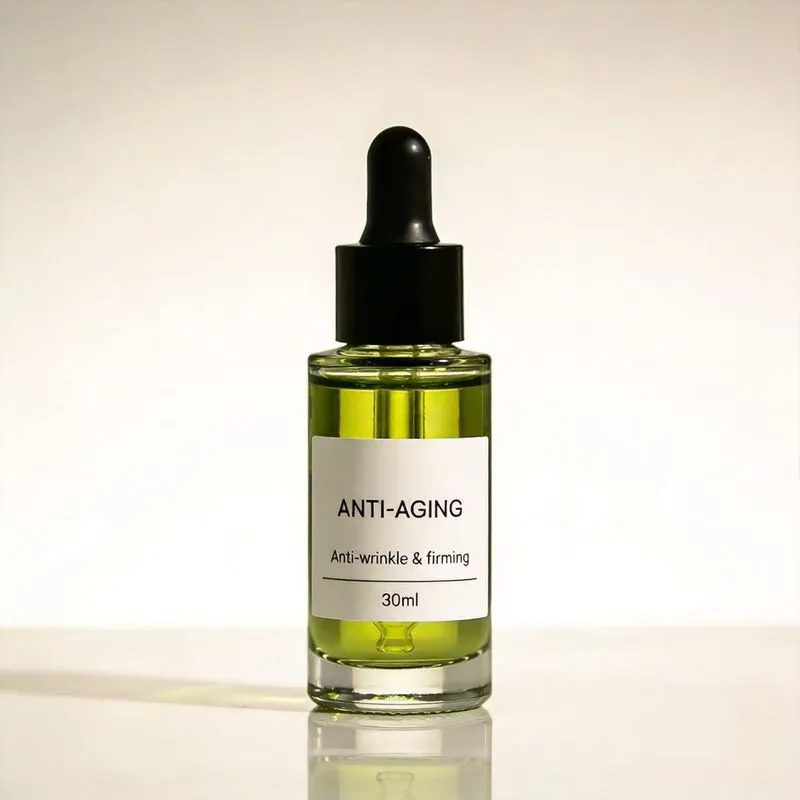
Step 1: Define Your Brand Positioning and Target Market
Before approaching any manufacturer, you need absolute clarity on your brand fundamentals. Manufacturers receive hundreds of inquiries monthly. The brands that get the best service, fastest turnaround, and most favorable pricing are those that arrive with a clear brief - not vague ideas.
Three Non-Negotiable Decisions
- Target demographic: Who is your customer? Define age range (Gen Z 18-25, Millennial 26-40, mature 40+), income level, primary skin concerns (acne, aging, hydration, hyperpigmentation, sensitivity), and geographic market (North America, Europe, Middle East, Southeast Asia)
- Price positioning: Mass market ($5-15 retail), mid-range ($15-40), premium ($40-100), prestige ($100-250), or luxury ($250+). Your price tier determines acceptable manufacturing cost, which typically should not exceed 15-25% of retail price
- Unique value proposition: What makes your brand fundamentally different? Clean beauty with full ingredient transparency? Clinical-grade efficacy with published testing data? Sustainable packaging with refill systems? K-beauty inspired multi-step routines? Biotech-driven formulations with patented delivery technology?
Your positioning determines everything downstream - formulation complexity, packaging material choices, minimum order quantities, target manufacturing partner, and ultimately your go-to-market strategy. A $12 cleanser sold on Amazon requires a fundamentally different supply chain than a $85 serum sold through Sephora or Harrods.
Market Research Essentials
Before investing in product development, validate demand:
- Competitive analysis: Map your top 10-15 competitors. What do their formulations actually contain? (Use INCI lists.) What are their price points? Where do they sell? What are customers complaining about in reviews?
- Keyword research: Use tools like Ahrefs, SEMrush, or Google Keyword Planner to quantify search demand for your product category. Monthly searches for "vitamin C serum" versus "PDRN serum" reveal very different market maturity stages.
- Ingredient trend analysis: Track what dermatologists and cosmetic chemists are discussing on social media. Ingredients like PDRN, plant exosomes, and ectoin represent the next wave of consumer demand - getting ahead of trends creates first-mover advantage.
- Regulatory landscape: Some ingredients are permitted in one market but restricted in another. Retinol concentrations, sunscreen filters, and preservative systems vary by country. Map this before formulation begins.
If every brand in your niche offers basic hyaluronic acid serums, consider differentiation through advanced delivery systems like supramolecular technology or next-generation actives that your competitors cannot easily replicate.
Step 2: Choose Between OEM and ODM Manufacturing Models
Understanding the difference between manufacturing models is critical to your timeline, budget, and competitive positioning (see our detailed OEM vs ODM comparison guide):
The Three Manufacturing Models
- OEM (Original Equipment Manufacturer): You provide your own formula; the factory produces it exactly as specified. Best if you have an existing formulation, an in-house cosmetic chemist, or licensed IP. Typical MOQ: 5,000-10,000 units per SKU. Timeline: 4-8 weeks for production (formula already developed).
- ODM (Original Design Manufacturer): The factory develops the formula based on your product brief. You describe what you want - target efficacy, texture, price point, hero ingredients, benchmark products - and their R&D team creates a custom formulation. Best for brands without R&D resources who want unique, differentiated products. Typical MOQ: 3,000-5,000 units per SKU. Timeline: 8-16 weeks including development.
- Private Label: You choose from the factory's existing catalog of ready-made formulas and apply your branding. Fastest route to market and lowest MOQ (1,000-3,000 units), but other brands may sell identical or very similar products.
Which Model Is Right for You?
For brands seeking genuine competitive advantage, ODM partnerships typically offer the best balance of customization and speed. A capable ODM partner brings patented technologies, regulatory expertise, and formulation innovation that would take years and millions of dollars to develop independently. The key advantage: you gain access to their entire R&D platform - including proprietary delivery systems, exclusive raw material agreements, and decades of formulation expertise.
Many successful brands use a hybrid approach: launch with ODM formulations to validate market demand quickly, then negotiate exclusivity on hero products and eventually develop proprietary formulations (OEM) for flagship SKUs as the brand matures and revenue justifies the investment. If the OEM, ODM, and private-label labels still feel blurry, our guide to contract manufacturing vs private label vs white label draws a clean line between the models on ownership, cost, and speed.
Step 3: Find and Vet Your Manufacturing Partner
China produces approximately 40% of the world's cosmetics by volume. Guangzhou's Baiyun District alone hosts over 2,000 registered cosmetics manufacturers - from world-class, multi-certified facilities serving global brands to small workshops with minimal quality control. Choosing the right manufacturer is the difference between a brand that scales and one that fails at launch. Because skincare lives or dies on formula stability rather than packaging, it pays to evaluate a partner against skincare-specific criteria - our skincare manufacturer buyer's checklist covers exactly what to test before you commit.
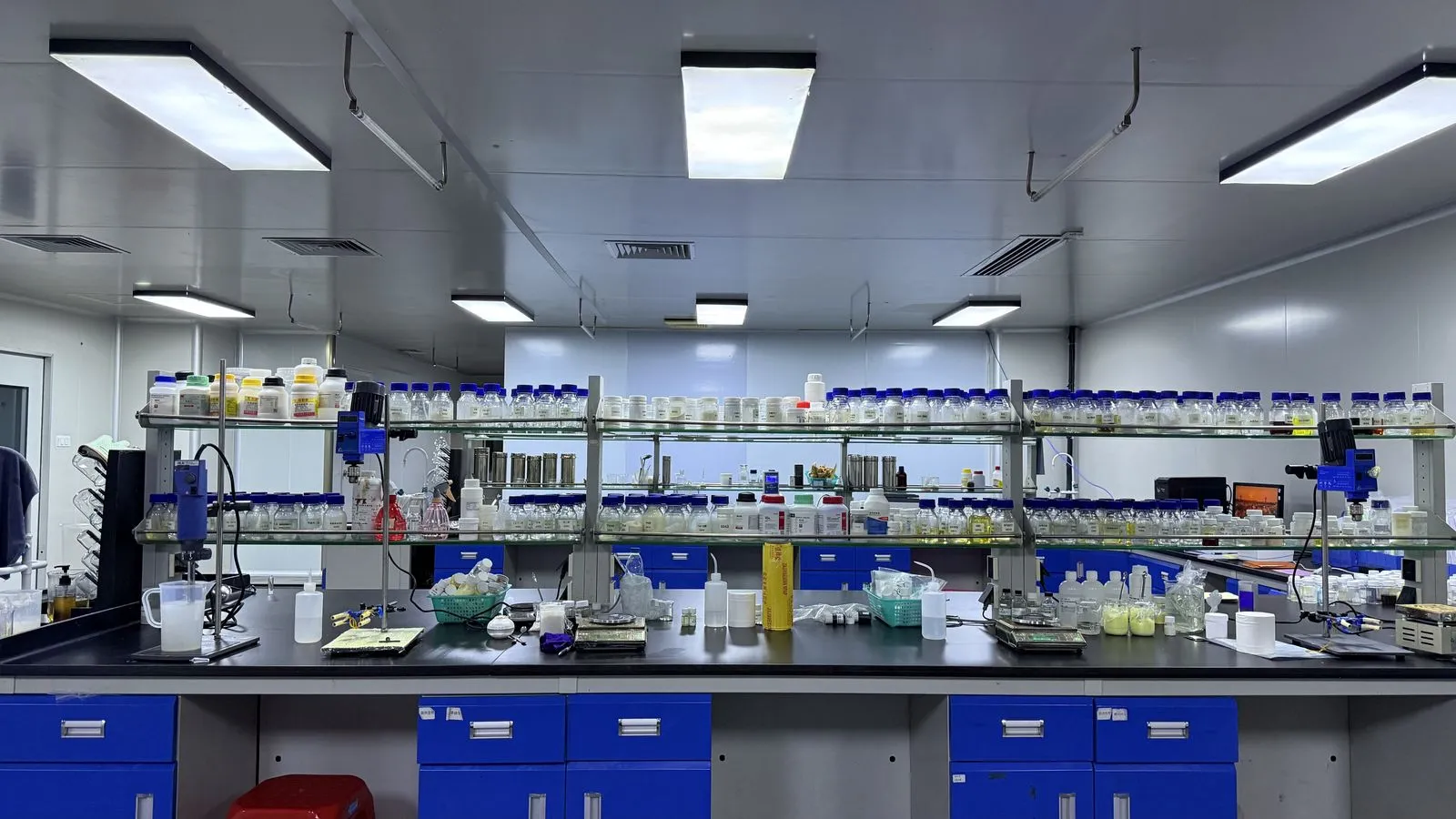
Non-Negotiable Certifications
Before discussing formulas or pricing, verify these credentials. No exceptions:
- ISO 22716: International standard for cosmetics Good Manufacturing Practices. Required for EU market access. Covers production, control, storage, and shipment (learn what these certifications mean in detail)
- GMPC: Good Manufacturing Practice for Cosmetics. Emphasizes facility design, clean room classification, and physical manufacturing environment
- FDA Registration: Required if selling in the US market. Facility registration is renewed every two years under MoCRA, while product listings are updated annually
- Chinese Production License (化妆品生产许可证): Every legitimate Chinese cosmetics manufacturer must hold this. If they cannot provide the license number, walk away
- SGS/Bureau Veritas Audit: Third-party verification that actual practices match certification claims
Questions to Ask Every Potential Manufacturer
- How many production lines do you operate? (Look for 10+ for serious capability)
- What is your daily output capacity? (100,000-200,000+ units/day indicates industrial scale)
- Do you hold any invention patents? (Not just utility models - real formulation IP)
- Which raw material suppliers do you work with? (BASF, Symrise, CRODA, Shin-Etsu = tier-one)
- Can you provide stability testing and efficacy validation data for existing products?
- What regulatory markets can you support documentation for (US, EU, ASEAN, GCC)?
- What is your clean room classification? (100,000-class minimum; 10,000-class for premium)
- Can you share references from current international clients?
- What is your sample preparation and revision schedule, and what inputs or tests can extend it?
A manufacturer with 13+ production lines and 200,000+ units daily capacity, sourcing from tier-one global suppliers and holding multiple invention patents, signals the operational capability and innovation focus needed for premium brand development.
Red Flags to Watch For
- Cannot provide valid Chinese production license number
- Pricing 30-50% below market average (corners being cut on materials or environment)
- No English-speaking project managers (communication will break down)
- Refuses factory visits or video tours
- Cannot show third-party audit reports from recognized bodies
- No dedicated R&D laboratory (just a sample mixing room)
- Pushes for large upfront payments with no escrow option
Step 4: Formulation Development
This is where your product becomes real. The formulation process typically follows these stages:
- Brief submission: Share your concept document including target efficacy claims, texture preferences (gel, cream, lotion, essence, oil), benchmark products you admire, hero ingredients you want featured, and any ingredients to avoid (allergens, controversial chemicals, ingredients restricted in your target market)
- Initial samples: The R&D team develops prototype formulas based on your brief. Preparation, dispatch, courier transit, and revision timing are confirmed after the brief and formula route are clear
- Feedback and iteration: You test samples and provide detailed feedback on texture, scent, absorption, skin feel, and perceived efficacy. The number and timing of revisions depends on the agreed acceptance criteria
- Stability testing: The protocol, conditions, checkpoints, and reporting schedule are agreed for the formula, packaging, claims, and target markets; this work cannot be reduced to one generic week count
- Preservative challenge testing: Where required, the agreed study verifies that the preservation system protects the product throughout its use period
- Efficacy validation: Where the intended claims require it, the project may include in-vitro testing, instrumental measurements, consumer-use work, or clinical testing under a separate study plan
- Final sign-off: Formula locked for production. Any changes after this point restart the stability testing clock
Advanced Formulation Technologies to Consider
The skincare market is moving beyond basic formulations. Consumers and retailers increasingly expect technology-driven differentiation. Technologies that separate premium brands from commodity products include:
- Supramolecular delivery systems: Enable precision targeting of active ingredients to specific skin layers (epidermis vs. dermis). Dramatically improves bioavailability compared to conventional formulation
- Plant hydrosol bases: Replacing deionized water (the first ingredient in most products) with bioactive botanical distillates adds functional value to what is normally an inert carrier
- Encapsulation technology: Protecting sensitive actives like retinol, vitamin C (ascorbic acid), and bakuchiol from oxidation until the moment of application
- Liposomal and nanosome delivery: Lipid vesicles that enhance transdermal absorption rates by 3-10x compared to free actives
- Biomimetic peptide complexes: Synthetic peptides that mimic growth factors, stimulating collagen synthesis without the stability issues of actual growth factors
- Probiotic fermentation extracts: Fermented ingredients with enhanced bioactivity and improved skin microbiome compatibility
The most compelling brands in 2026 will combine next-generation active ingredients like PDRN, exosomes, and ectoin with proprietary delivery technology - creating products that are genuinely difficult for competitors to replicate.
Step 5: Packaging Design and Sourcing
Packaging communicates your brand identity and perceived value before the customer ever touches the product. In e-commerce, packaging is your entire first impression. Consider each layer carefully:
Primary Packaging (Product Container)
- Airless pumps: Best for oxidation-sensitive formulas (vitamin C, retinol). Minimizes air exposure and product waste. Cost: $0.80-$3.00 per unit depending on material and finish
- Glass dropper bottles: Premium perception. Ideal for serums and facial oils. Heavier shipping weight increases logistics cost
- Aluminum tubes: Excellent barrier properties, fully recyclable. Growing preference for sustainability-focused brands
- PCR (Post-Consumer Recycled) plastic: Reduces virgin plastic use by 30-100%. Increasingly expected by EU and US retailers
- Refillable systems: Inner cartridge + outer shell design. Higher initial cost but builds customer loyalty through repurchase economics
Secondary Packaging (Outer Box)
- Rigid boxes: Premium unboxing experience for luxury positioning. Cost: $1.50-$5.00 per unit
- Folding cartons: Standard for mid-range brands. Cost: $0.20-$1.00 per unit
- FSC-certified paperboard: Verifiable sustainable forestry sourcing. Required by some retailers
- Minimalist design: Trending toward single-color, embossed or debossed logos, spot UV finishes
Regulatory Labeling Requirements
Label compliance is non-negotiable and varies significantly by market:
- FDA (US): INCI ingredient list in descending concentration order, net weight, manufacturer/distributor info, warnings for specific ingredients, drug facts panel if SPF claimed
- EU Regulation 1223/2009: PAO symbol (period after opening), batch code, CPNP notification number, Responsible Person details, function description
- Multiple markets: Many brands produce separate label versions or use peel-back multi-language labels
Many ODM manufacturers offer one-stop brand incubation services that include packaging structural design, material sourcing, decoration specification, and regulatory label review - eliminating the need to coordinate multiple vendors and reducing the risk of costly labeling errors.
Step 6: Understanding MOQ and Cost Structure
Minimum Order Quantities vary significantly by manufacturer, product type, and packaging complexity. See our complete MOQ & cost guide for detailed pricing breakdowns by product category.
Typical MOQ Ranges
| Route | Per SKU | Why it sits there |
|---|---|---|
| Private label existing formulas |
1,000–3,000 units | No development to amortise. The floor is set by whichever packaging component has the highest supplier minimum. |
| ODM custom formula to your brief |
3,000–5,000 units | Bench work, stability studies and pilot batches have to be recovered across the run. |
| OEM your formula, produced as specified |
5,000–10,000 units | Raw-material minimums on a formula the factory does not otherwise stock. |
| Custom packaging moulds | 10,000–20,000 units | Tooling cost is fixed, so it only amortises over volume. This lead time and cost sit with the component supplier, not the filling line. |
Those bands are grouped by manufacturing route. Once you have picked a dosage form, our standard minimum is quoted in that form's own unit: bottles, jars, tubes, fragrance, and essential oils at 3,000 per SKU, sheet masks at 5,000–10,000 sheets, and freeze-dried sets at 3,000–5,000 sets. Ask for the quote in units you will actually order, because "units" hides which component is the binding constraint.
Cost Component Breakdown
Understanding where your money goes helps you negotiate effectively and identify areas for optimization:
- Raw materials: 30-40% of unit cost. Premium actives (PDRN, peptides, patented molecules) can push this to 50%+
- Packaging materials: 20-30%. Glass and airless pumps cost more than standard plastic
- Labor and manufacturing overhead: 15-20%. Clean room production costs more than standard environment
- R&D amortization: 5-10%. Spread across your total order volume
- QC testing: 3-5%. Microbiological, physicochemical, and stability testing per batch
- Margin: 10-15%. Manufacturer profit
First Order vs. Reorders
First orders are always the most expensive due to setup costs, small volumes, and initial tooling. Second and subsequent orders are typically 15-25% cheaper per unit because R&D costs are amortized, packaging materials are already procured, and production efficiency improves. Plan your initial order to last 3-4 months of projected sales, then reorder at larger volume based on actual demand data.
Step 7: Compliance and Regulatory Filing
Regulatory compliance is not optional - it determines whether your product can legally be sold in your target market. Getting this wrong can result in seized shipments, forced recalls, and brand-destroying publicity. Market-specific guides: Thailand (TFDA), Indonesia (BPOM), and Vietnam registration.
Market-Specific Requirements
- United States: FDA facility registration (the manufacturer registers the facility and renews it every two years), product listing filed by you as the responsible person within 120 days of first marketing and updated annually (mandatory under MoCRA and enforced since July 2024; the old voluntary VCRP closed to submissions in March 2023), ingredient restrictions (color additives require pre-market approval), label compliance with Fair Packaging and Labeling Act, SPF claims require OTC drug monograph compliance
- European Union: CPSR (Cosmetic Product Safety Report) prepared by a qualified assessor, product notification via CPNP portal before market placement, designated Responsible Person within the EU, compliance with Annexes II-VI restricted/prohibited substance lists, PIF (Product Information File) maintained and accessible to authorities
- United Kingdom (Post-Brexit): Separate SCPN (Submit Cosmetic Product Notification) registration, UK-based Responsible Person required, UK-held product information file
- ASEAN: ASEAN Cosmetic Directive notification through national authority, Product Information File, ingredient restrictions harmonized across 10 member states
- Middle East / GCC: Country-specific registration varying by state. UAE requires Emirates Authority for Standardization registration. Saudi Arabia requires SFDA notification, filed through the GHAD system by a Saudi-established notifier rather than by your factory — how SFDA notification works in Saudi Arabia. Often requires Arabic language labeling and Halal certification
- Australia: NICNAS/AICIS notification for new chemical substances, TGA regulation if therapeutic claims are made, compliance with Industrial Chemicals Act 2019
Why Manufacturer Regulatory Support Matters
Choose a manufacturer with proven regulatory filing capability. The ability to prepare complete documentation packages, assemble the safety data set a qualified assessor needs to work from, coordinate with Responsible Persons in the EU, and guide you through market-specific requirements saves months of delays and thousands in consultant fees. Note that the signed EU safety assessment itself must come from an assessor holding a recognised qualification in a member state, not from the factory. Ask to see examples of successful product registrations they have supported for other clients.
Step 8: Production, QC, and Shipping
Once formula and packaging are finalized, the production process follows a predictable sequence:
- Pre-production sample (project-specific schedule): Factory produces a small batch using actual production equipment (not lab scale) for your final confirmation. Color, texture, and fragrance must match approved samples
- Raw material procurement (1-3 weeks): Standard ingredients are typically in stock. Specialty or imported actives may require 2-3 weeks lead time. Plan ahead for novel ingredients
- Bulk production, filling, packaging, QC, and release (normally 35-60 days after approval): The routine production window starts after the formula, sample, packaging, artwork, and order details are approved. Batch size, component availability, and agreed testing determine where the project sits inside that range
- Quality control testing: Every batch undergoes pH measurement, viscosity testing, microbiological screening (total aerobic count, yeast/mold, pathogens), color and odor assessment, and weight/volume verification. Project-specific testing is scheduled separately where required
- Final inspection and palletizing: AQL (Acceptable Quality Level) sampling inspection, export packaging, and container loading happen before release
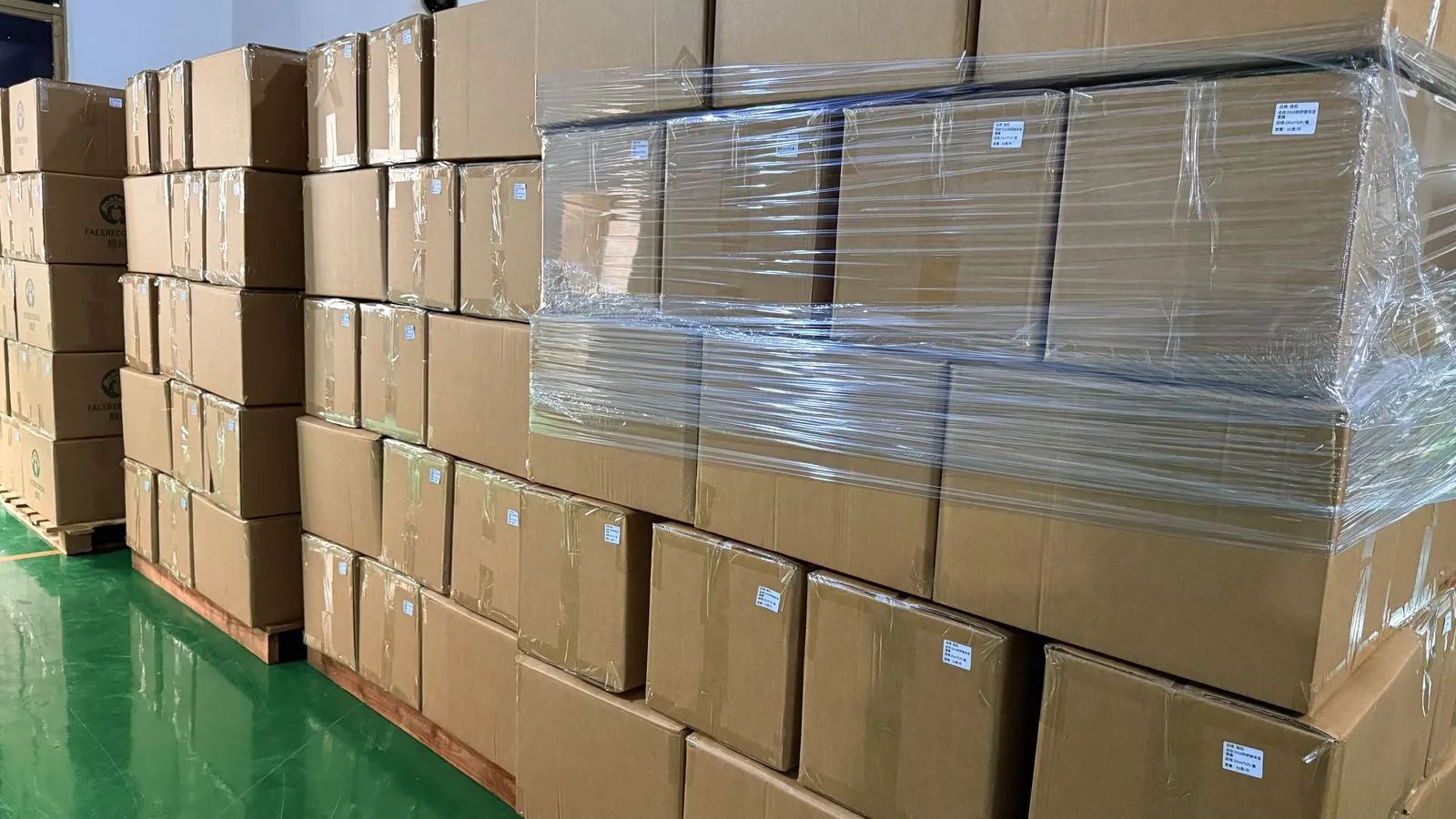
Shipping Options
- Sea freight (FCL - full container): Most economical for large orders. 20ft container holds approximately 10-15 tons. Transit time: 2-6 weeks depending on destination. Cost: $1,500-$4,000 per container to US West Coast
- Sea freight (LCL - less than container): Shared container for smaller shipments. Transit time: 3-8 weeks. Cost: $80-$150 per cubic meter
- Air freight: Fast but expensive. Transit time: 5-10 days. Cost: $4-8 per kg. Use for urgent restocks or premium products where margins justify it
- Express courier (DHL/FedEx): Samples and very small orders only. Cost: $30-60 per kg
Standard trade terms: FOB (Free On Board - you arrange shipping from port) or CIF (Cost, Insurance, Freight - manufacturer arranges shipping to your destination port). Most brands start with FOB and use a freight forwarder for better shipping rates.
The end-to-end timeline from formula approval to warehouse arrival is confirmed from the production plan, destination, freight mode, testing, and customs route. Do not treat the bulk-production window as including registration or international transit.
Step 9: Launch Strategy and Ongoing Partnership
Your manufacturer relationship does not end at delivery. The best partnerships are long-term and evolve as your brand grows.
Pre-Launch Checklist
- Product photography (lifestyle + packshot) completed
- E-commerce listings optimized with ingredients, claims, and usage instructions
- Social media content calendar planned (minimum 30 days of launch content)
- Influencer seeding program initiated (send products 4-6 weeks before launch)
- Email list built through pre-launch landing page
- Paid advertising creative tested (Meta, Google, TikTok)
- Inventory management system set up to track stock levels and trigger reorders
Ongoing Partnership Management
- Quarterly product reviews: Share sell-through data and customer feedback with your manufacturer. They can suggest reformulation improvements based on actual market response
- New product development pipeline: Plan 2-4 new SKU launches per year to maintain brand momentum. Your manufacturer's R&D team should be developing your next products while current ones are selling
- Reformulation for new markets: Entering the EU from a US launch? Your existing formulas may need preservative or sunscreen filter modifications. A capable manufacturer handles this seamlessly
- Cost optimization at scale: As your order volumes grow from 3,000 to 10,000 to 50,000 units, renegotiate pricing. Raw material bulk purchasing and production efficiency gains should benefit both parties
- Trend integration: The skincare market evolves rapidly. Your manufacturer should proactively suggest incorporating new proven actives and technologies as they become available
Scaling Milestones
- 0-6 months: Validate product-market fit with initial SKUs. Focus on customer acquisition cost and repeat purchase rate
- 6-12 months: Expand to 8-12 SKUs based on customer feedback. Consider retail distribution (salon, specialty retail)
- 12-24 months: International expansion. Add new markets (requiring additional regulatory filing). Negotiate exclusivity on hero formulations
- 24+ months: Consider developing proprietary OEM formulations for signature products. Explore brand extensions (body care, hair care, sun care)
Common Mistakes First-Time Private Label Brands Make
After working with hundreds of brand founders, certain patterns of failure recur. Avoid these:
- Launching too many SKUs: Start with 3-5 hero products. Validate demand before expanding. Inventory carrying cost on 15 slow-moving SKUs kills cash flow
- Choosing manufacturer on price alone: The cheapest quote often means compromised materials, inadequate QC, or non-compliant manufacturing environments. Proper vetting prevents expensive failures
- Skipping stability testing: Products that separate, change color, or grow bacteria destroy brand reputation permanently. There is no shortcut for proper stability data
- Ignoring regulatory requirements: Selling non-compliant products leads to Amazon listing removal, customs seizures, and potential legal liability
- Underestimating timeline: From first manufacturer contact to product in hand typically takes 4-6 months. Do not promise launch dates before formula and packaging are confirmed
- No reorder plan: Running out of stock kills momentum. Order your second batch when stock drops to 3-4 months supply, accounting for 10-16 week production and shipping lead time
Key Takeaways
Starting a private label skincare brand in 2026 requires methodical planning, but the process is well-established and the market opportunity is substantial. Success hinges on three pillars: differentiated formulation that solves a real consumer problem, a manufacturing partner with genuine R&D capability and proper certifications (ISO 22716 and GMPC as minimum), and a go-to-market strategy that matches your budget to your target customer's buying channels.
The most common path for emerging brands: start with ODM partnership for custom formulations at manageable MOQs, validate product-market fit through DTC e-commerce, then scale into retail and international markets as revenue justifies the investment. Choose a partner who can support you from your first 3,000-unit order through to 100,000-unit reorders - the right manufacturer grows with your brand rather than limiting it.
Ready to take the next step? Understanding the difference between OEM and ODM models and knowing realistic MOQ and cost structures will prepare you for productive manufacturer conversations from day one.
Frequently Asked Questions
What is the minimum order to start a private label skincare line?
For ready-made private label formulas, MOQs typically start at 1,000-3,000 units per SKU. If you want a custom formula developed for your brief (ODM), expect 3,000-5,000 units per SKU, and 5,000-10,000 units if the factory produces your own supplied formula (OEM). Custom packaging molds carry their own higher minimums (10,000-20,000 units) to amortize tooling cost. If you are testing the market, start with 1-3 SKUs at the lowest available MOQ rather than spreading a small budget across many products.
How much does it cost to start a private label skincare line?
Budget realistically for three buckets: the product order itself, one-time setup, and go-to-market. A lean first launch of 3 private label SKUs at entry MOQs commonly lands in the low tens of thousands of US dollars all-in, including product, packaging, testing, and freight - though the true figure depends heavily on formula complexity, packaging choices, and order volume. Unit cost usually breaks down as roughly 30-40% raw materials, 20-30% packaging, 15-20% labor and overhead, with the balance covering R&D amortization, QC testing, and manufacturer margin. First orders are always the most expensive per unit; reorders typically run 15-25% cheaper once setup costs are amortized.
How long does it take to launch a private label skincare line?
If you use an existing private label formula, you can move from selection to finished goods relatively quickly because no formulation development is needed. A custom (ODM) formula adds 8-16 weeks for development, sampling, and stability testing. Once the formula and packaging are locked, production runs about 4-8 weeks, and sea freight adds another 2-6 weeks depending on destination. As a planning rule, allow roughly 10-16 weeks from approved formula to goods arriving at your warehouse, and longer if you are developing a custom formula from scratch.
Is private label skincare the same as white label?
They overlap but are not identical. White label usually means a generic, ready-made product that many brands can sell under different names with minimal changes. Private label is broader - it can mean the same catalog approach, or a more customized arrangement where you adjust fragrance, packaging, or elements of the formula. If you want a genuinely differentiated product that competitors cannot buy off the same shelf, you are moving toward ODM (custom formulation), which is the route most brands take once they want a real competitive edge.
Do I need my own formula to start?
No. Most first-time brands do not have a formula and do not need one. You can launch with the manufacturer's existing private label formulas, or brief an ODM partner to develop something custom based on your target benefits, texture, and hero ingredients. Owning a proprietary formula (OEM) becomes worthwhile later, once volumes justify the R&D investment and you want to protect a signature product.
Can I sell a private label skincare line on Amazon and in my own store?
Yes, and most brands do both. The key requirement is regulatory compliance for each market you sell in - for the US that means FDA facility registration and MoCRA product listing, for the EU it means CPNP notification and a designated Responsible Person. Choose a manufacturer that can supply the documentation and testing data these channels and marketplaces require, so your listings are not pulled and shipments are not held at customs.
Disclaimer: MOQ, cost, and timeline ranges are estimates based on 2026 market conditions and vary by order volume, formula complexity, packaging specifications, and manufacturer. Contact us for a custom quote tailored to your specific requirements.
From Concept to Shelf - We Handle the Complexity
GZ Cosmetics Lab offers ODM, OEM, and private label services with 13+ production lines and patented advanced supramolecular delivery technology. From a 3,000-unit first order to 100K+ reorders - one partner for the entire journey.
Explore our manufacturing services →
Related Products
Explore ready-to-customize formulations you can private label under your own brand.
Ready to Start Your Project?
Tell us your product requirements. Within 24 hours, our technical team will reply with a quotation or the questions needed to prepare one.