
OEM Skincare Manufacturer in China: Guide for ASEAN Brands
Choosing the right OEM skincare manufacturer is the single most important decision for any Southeast Asian beauty brand looking to scale. Whether you're launching a new halal skincare line in Malaysia, registering products with BPOM in Indonesia, or building a K-beauty-inspired brand for the Thai market, your manufacturer determines your product quality, margins, and speed to market.
An OEM skincare manufacturer produces skincare to a formula and specification that the brand already owns or legally controls. The brand supplies the formula, target market requirements and packaging direction; the manufacturer handles material sourcing, production, filling, packaging and release against the agreed specification. If the brand has a concept or brief and needs the factory to develop the formula, that is ODM development rather than OEM. China, and Guangzhou in particular, is a major centre for contract cosmetics production. What we take on under an OEM arrangement is set out on our cosmetics OEM manufacturing page.
This guide breaks down everything Southeast Asian brand owners need to know: real cost comparisons, certification requirements, MOQ expectations, and the exact process from first inquiry to shipment clearance.
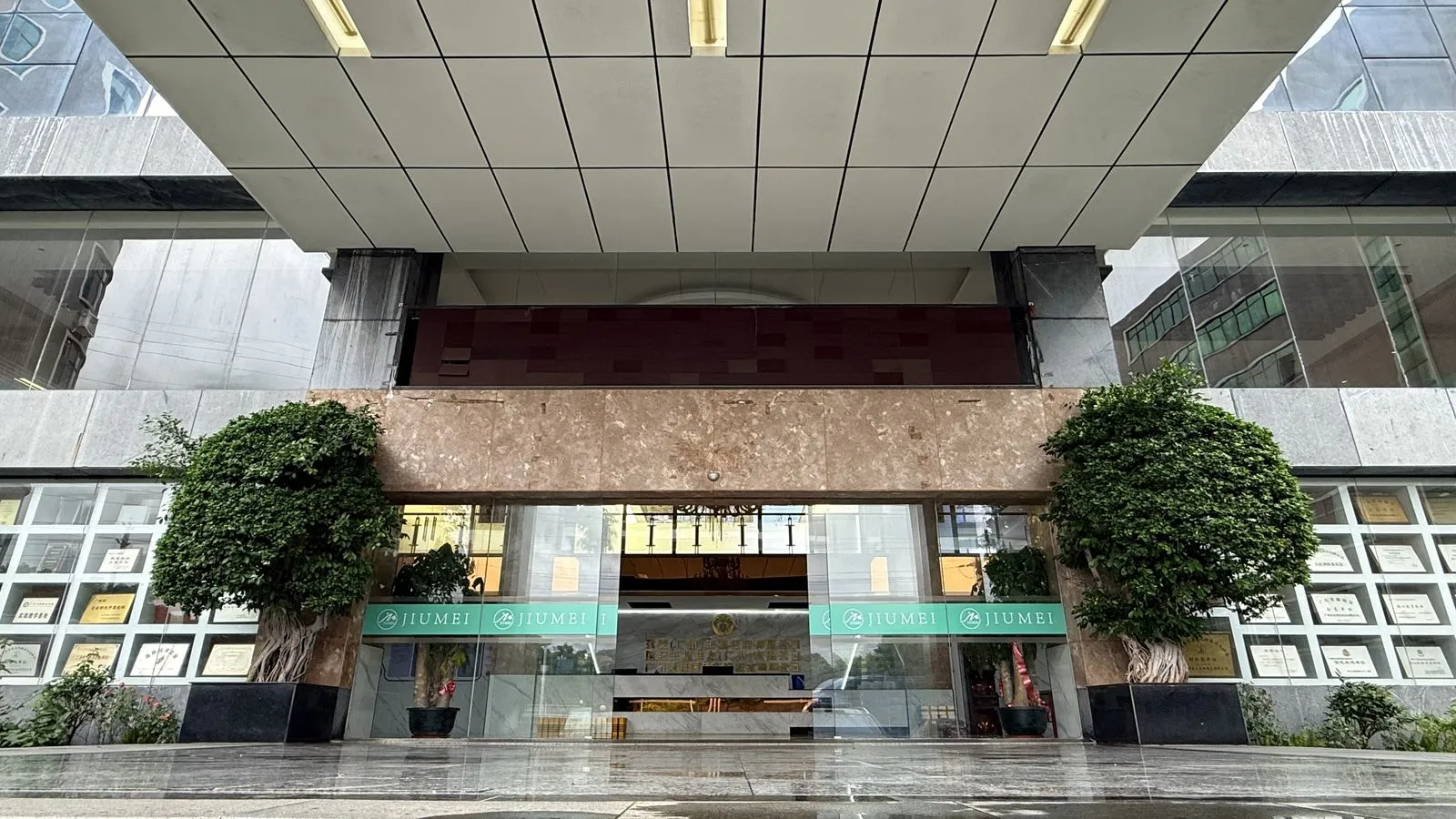
Why Southeast Asian Brands Choose China for OEM Skincare Manufacturing
Cost Advantage That Actually Matters
Let's be direct: China offers 40-60% lower production costs compared to Korean OEM manufacturers, and 20-35% lower than local Southeast Asian factories - with better equipment and more formulation options. For a startup brand working with limited capital, this gap is the difference between launching 3 SKUs and launching 10.
Guangzhou's cosmetics manufacturing cluster, concentrated in Baiyun District, benefits from:
- Raw material sourcing: Direct access to domestic ingredient suppliers and the world's largest chemical trading markets
- Shared infrastructure: Testing labs, packaging suppliers, and logistics providers all within a 30km radius
- Labor pool: Experienced cosmetics production workers and formulators concentrated in one region
- Scale economics: Factories processing 50-200 brands simultaneously can spread fixed costs thin
Formulation Technology Has Caught Up
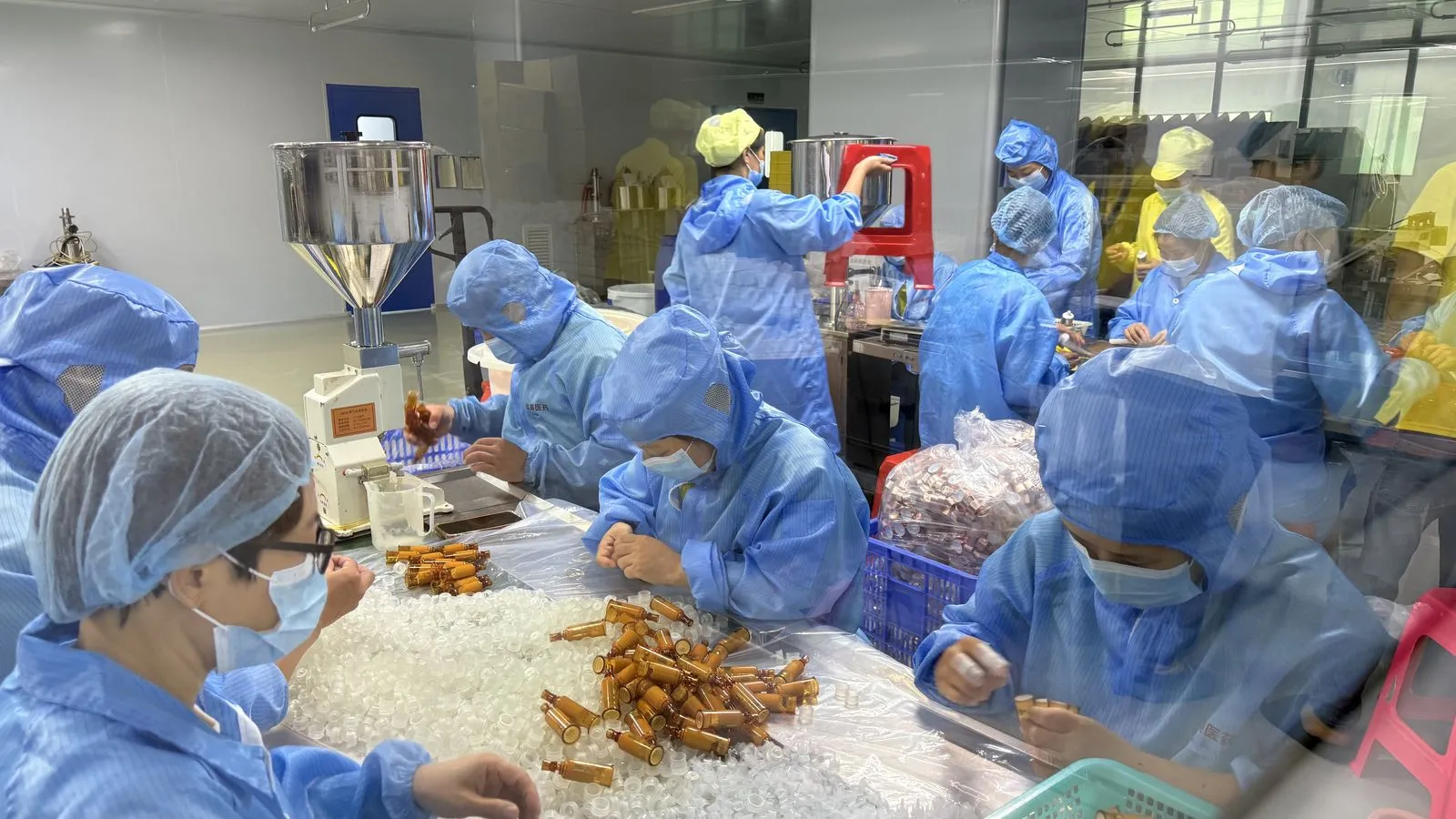
The outdated perception that Chinese skincare OEM manufacturers only produce cheap, low-quality products hasn't been accurate for at least a decade. Top-tier Guangzhou factories now operate with:
- Homogenizers and emulsifiers from European suppliers (IKA, Ekato)
- Clean-room standards matching ISO Class 7-8
- R&D teams with 10-20+ years of formulation experience
- Access to the same active ingredients used by Korean and Japanese brands (Ashland, BASF, Evonik supply chains)
Many Korean brands people assume are "made in Korea" actually manufacture in Chinese OEM facilities. The quality gap between China and Korea in cosmetics manufacturing has essentially closed at the mid-to-high tier.
Production Capacity and Flexibility
A mid-sized skincare OEM manufacturer in Guangzhou can typically produce 500,000-2,000,000 units per month. This matters for Southeast Asian brands because:
- Ramadan/Hari Raya seasonality: Malaysian and Indonesian brands need to ramp production 3-4 months before peak selling seasons
- Flash sales: Shopee and Lazada mega-sales require inventory buffers that local factories struggle to fulfill
- Multi-SKU launches: Chinese factories handle 20-50 SKU production runs simultaneously without quality drops
Looking for a manufacturer with flexible capacity? Request a quote from our team with your SKU count and volume per SKU, and we will tell you what runs in parallel and what has to queue.
Cost Comparison: China vs Korea vs Local Southeast Asian OEM
Here's what you'll actually pay. These figures are based on mid-tier quality positioning (not bottom-barrel, not luxury):
| Cost Factor | China (Guangzhou) | South Korea | Local (MY/ID/TH) |
|---|---|---|---|
| Formulation development | $500-$1,500 per SKU | $2,000-$5,000 per SKU | $1,000-$3,000 per SKU |
| Unit cost (50ml serum, 3,000 pcs) | $1.20-$2.50 | $2.80-$5.00 | $2.00-$3.50 |
| Unit cost (50ml serum, 10,000 pcs) | $0.80-$1.80 | $2.00-$3.80 | $1.50-$2.80 |
| Packaging (custom bottle + box) | $0.30-$0.80 | $0.60-$1.50 | $0.50-$1.20 |
| Stability testing | $300-$800 per SKU | $800-$1,500 per SKU | $500-$1,200 per SKU |
| Minimum order quantity | 1,000-3,000 pcs | 3,000-5,000 pcs | 2,000-5,000 pcs |
| Lead time (first order) | 35–70 days | 45-60 days | 35-50 days |
| Shipping to SEA | 7-15 days (sea) | 10-20 days (sea) | 3-7 days (domestic) |
Note: Prices and minimums in this market comparison are approximate industry ranges, not GZ Cosmetics Lab commercial terms. Our standard minimum is 3,000 units per SKU, with higher minimums for some specialist formats. Data as of Q2 2026.
Hidden Costs to Watch
China advantages:
- No import duty on raw materials (domestic sourcing)
- Lower logistics cost within the manufacturing cluster
- Free or low-cost sample development for confirmed orders
China considerations:
- Import duties at destination (typically 5-15% for cosmetics in ASEAN)
- Freight forwarding costs ($800-$2,000 per shipment depending on volume)
- Potential need for a sourcing agent if you don't speak Mandarin ($500-$1,500/month)
The math: Even factoring in shipping and import duties, most brands save 25-40% on total landed cost compared to Korean OEM. Against local manufacturers, the savings are 10-25% with significantly better formulation options.
Want exact pricing for your product line?
Send us your SKU list and target volumes. Within 24 hours, we'll reply with a quotation or the questions needed to prepare one.
How to Choose the Right OEM Skincare Manufacturer
Not all factories are equal. Here's what separates a reliable skincare OEM manufacturer from one that'll waste your time and money. The criteria below are specific to Southeast Asian exports; for the general sequence of questions to work through before signing, see our buyer's checklist for choosing a skincare manufacturer.
Certifications: Non-Negotiable Checklist
For Southeast Asian markets, these certifications directly affect whether your products can legally enter the country:
| Certification | What It Means | Required For |
|---|---|---|
| ISO 22716 (GMP) | Good Manufacturing Practice for cosmetics | All professional exports |
| Halal route recognised for the target market (JAKIM/BPJPH as applicable) | Manufacturing process meets Islamic standards | Malaysia (mandatory for Muslim-targeted), Indonesia (mandatory by October 2026) |
| GMP (China NMPA) | Chinese domestic manufacturing license | Legal operation in China |
| BPOM-compatible documentation | Product dossier format accepted by Indonesia's BPOM | Indonesia market entry |
| TFDA-compatible documentation | Technical file format for Thailand's FDA | Thailand market entry |
| ISO 9001 | Quality management system | General quality assurance |
| GMPC (US standard) | Good Manufacturing Practice for Cosmetics | US/EU market positioning |
Critical point for Malaysian brands: Not all "Halal certified" factories hold certifications recognized by JAKIM. Ask specifically which Halal certification body issued theirs and verify it's on JAKIM's recognized list. A JAKIM-recognized Halal cert from your manufacturer simplifies your own Halal application in Malaysia significantly.
Learn more about our certifications and factory standards →
R&D Capability Assessment
Ask these questions during factory evaluation:
- How many formulators do you have, and what's their experience? - Look for teams of 5+ with senior formulators having 10+ years
- Can you show me your ingredient library? - Good factories stock 500-2,000+ raw materials
- What's your formulation success rate on first attempt? - Experienced labs hit 70-80% on first stability test
- Do you develop formulas in-house or buy from ingredient suppliers? - In-house = more customization; supplier formulas = faster but less unique
- Can you reformulate to meet specific country regulations? - E.g., removing ingredients banned in ASEAN but allowed in China
MOQ Flexibility
Minimum Order Quantities vary significantly across Chinese OEM cosmetics manufacturers:
- Large factories (100+ workers): MOQ 5,000-10,000 pcs per SKU
- Mid-sized factories (30-100 workers): MOQ 1,000-3,000 pcs per SKU
- Small/boutique factories (10-30 workers): MOQ 500-1,000 pcs per SKU
For new Southeast Asian brands, mid-sized factories usually offer the best balance: low enough MOQ to test the market, professional enough to deliver consistent quality, and flexible enough to accommodate special requests (Halal processing, specific documentation formats).
Planning note: Treat these as wider-market examples rather than a promise that a supplier will accept a sub-minimum first order. Our standard minimum is 3,000 units per SKU; packaging, formula, and specialist formats can move the final requirement higher.
MOQ, Pricing, and Lead Times: What to Expect
Pricing Structure Breakdown
A typical skincare OEM manufacturer in China prices products using this structure:
Product cost = Raw materials + Packaging + Labor + Overhead + Margin
For a standard 30ml vitamin C serum:
- Raw materials: $0.30-$0.60
- Primary packaging (bottle + pump + cap): $0.25-$0.50
- Secondary packaging (box + insert): $0.15-$0.30
- Labor + filling: $0.10-$0.20
- Quality testing: $0.05-$0.10
- Factory margin: 15-25%
Total: approximately $1.00-$2.10 per unit at 3,000 pcs
Pricing drops roughly 15-20% per volume tier:
- 3,000 pcs: base price
- 5,000 pcs: -10 to -15%
- 10,000 pcs: -20 to -25%
- 50,000+ pcs: -30 to -40%
Lead Time Reality Check
Don't believe any factory that promises 15-day turnaround on a first order. Here's what's realistic:
| Stage | Duration | Notes |
|---|---|---|
| Sample development | 7–14 days | Depends on formulation complexity |
| Sample revision (if needed) | 5–10 days | Budget 1–2 rounds |
| Sample approval + deposit | 3–5 days | Your side |
| Raw material procurement | 12–20 days | Longer for imported actives and SPF filters |
| Production | 15–35 days | Varies by dosage form: cleansers and lotions at the low end, sunscreens and freeze-dried sets at the high end |
| Quality control + testing | 5–10 days | Micro testing takes longer |
| Packaging + palletizing | 3–5 days | - |
| Total first order | 35–70 days | From deposit to ex-factory (the four production stages above); sampling happens before the deposit and sits outside this window |
| Reorders | 25–35 days | Faster because the formula is set and materials are already qualified, often partly stocked; applies to basic formats on stock packaging |
Shipping to Southeast Asia (additional):
- Sea freight to Port Klang / Jakarta / Bangkok: 7-12 days
- Express courier (DHL/FedEx): 3-5 days (expensive, only for samples)
- Customs clearance: 3-7 days (depends on your documentation preparation)
Payment Terms
Standard payment structure with Chinese OEM skincare manufacturers:
- Sample stage: 100% upfront (refundable against first order for some factories)
- Production deposit: 30-50% upon order confirmation
- Balance: 50-70% before shipment (some factories accept before customs clearance)
- Payment methods: T/T (bank transfer), Western Union, PayPal (small amounts only), Letter of Credit (large orders 50K+ USD)
For first-time buyers from Southeast Asia, expect to pay 50% deposit. After 2-3 successful orders, most factories will negotiate down to 30% deposit.
Ready to get pricing for your specific products? Contact us for a detailed quotation →
Certification Deep Dive: What Southeast Asian Markets Require
This is where many brands get stuck. Each ASEAN country has its own regulatory body and requirements. Your OEM cosmetics manufacturer needs to provide specific documentation for each market. Our breakdown of the documents a private label skincare partner issues covers which files a factory can sign and which stay the brand owner's responsibility.
Malaysia (NPRA - National Pharmaceutical Regulatory Agency)
Requirements:
- Product notification via QUEST 3+ system
- Certificate of Free Sale (CFS) from manufacturer's country
- GMP certificate (ISO 22716 or equivalent)
- Halal certification (strongly recommended, becoming increasingly important)
- Full ingredient list with CAS numbers
- Safety assessment report
Timeline: 2-4 weeks for notification approval
Cost: Approximately RM 100-500 per product notification
Indonesia (BPOM)
Requirements:
- BPOM registration (mandatory before import)
- Manufacturer's GMP certificate
- Certificate of Analysis (COA) for each batch
- Free Sale Certificate
- Product Information File (PIF)
- Cosmetics enter the mandatory halal phase on October 18, 2026 under Government Regulation No. 42/2024; products made from prohibited materials have a separate non-halal disclosure route
- Local distributor/importer with BPOM facility license
Timeline: 3-6 months for BPOM approval
Cost: Approximately $500-$2,000 per SKU including agent fees
For detailed BPOM registration guidance, see our complete guide: How to Register Cosmetics in Indonesia (BPOM).
Thailand (Thai FDA)
Requirements:
- Product notification or registration depending on category
- Manufacturer's GMP certificate
- Certificate of Analysis
- Free Sale Certificate (legalized)
- Product formula with percentages
- Thai-language labeling compliance
Timeline: 1-3 months depending on product category
Cost: Approximately $300-$1,000 per SKU
Read our complete guide on Thailand Cosmetics Registration (TFDA).
Vietnam (Drug Administration of Vietnam)
Requirements:
- Product announcement (cosmetics are notified, not registered)
- GMP certificate of manufacturer
- Free Sale Certificate
- Full product dossier
- Vietnamese-language labels
Timeline: 1-2 months
Cost: Approximately $200-$600 per SKU
What Your Manufacturer Must Provide
A competent OEM skincare manufacturer should provide all of the following without extra charge:
- Certificate of Analysis (COA) for every batch
- Product specification sheet
- Stability test report (6-month accelerated minimum)
- Micro-biological test report
- Heavy metals test report
- Full ingredient list (INCI format)
- Manufacturing process flow
- GMP certificate copy
Documents that may cost extra but are essential:
- Certificate of Free Sale ($100-$300, requires CCPIT certification in China)
- Legalization/apostille of documents ($50-$200 per document)
- Halal certificate copy (issued to specific products, not just the factory)
Need Halal + GMP + BPOM documentation sorted?
Our regulatory team prepares the complete documentation package for Malaysia, Indonesia, and Thailand market entry.
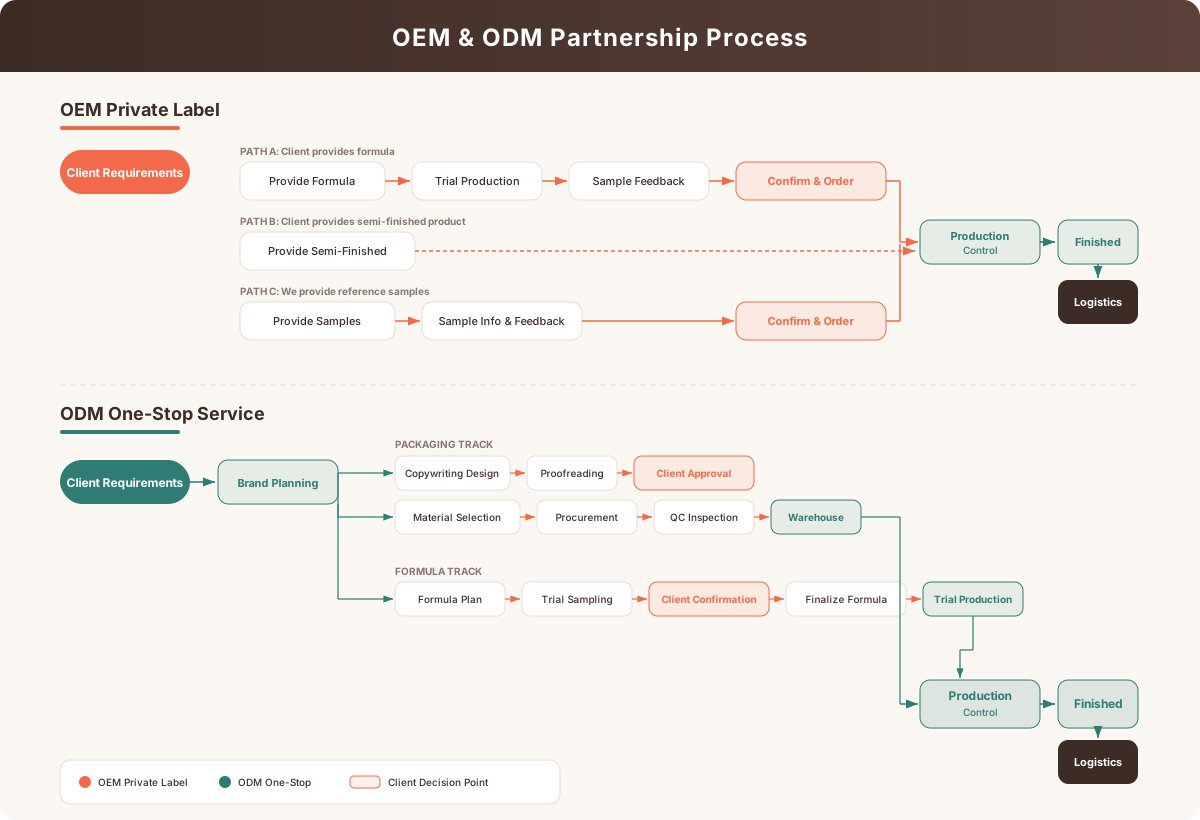
The Complete OEM Collaboration Process: Inquiry to Shipment
Here's exactly how working with a Chinese skincare OEM manufacturer works, step by step.
Step 1: Initial Inquiry and Brand Brief
What you prepare:
- Target market(s) and regulatory requirements
- Product category and concept (e.g., "hydrating serum for tropical climate")
- Target price point and positioning
- Estimated quantities
- Required certifications
- Reference products (if any)
- Packaging preferences
What the factory provides:
- Company profile and certifications
- Relevant product catalog
- Preliminary pricing indication
- MOQ confirmation
- Timeline estimate
Step 2: Formulation Development
Process:
- Factory R&D creates 2-3 formula options based on your brief
- Internal stability screening (3-7 days)
- Sample production (small batch, 100-500ml)
- Samples shipped to you for evaluation
What you evaluate:
- Texture, absorption, scent
- Immediate skin feel
- Color and consistency
- Packaging compatibility
Typical rounds: 1-3 revisions before formula lock
Step 3: Sample Approval and Documentation
You confirm:
- Final formula approval (signed)
- Packaging design files (AI/PDF format)
- Label copy and claims
- Order quantity
- Delivery terms (FOB/CIF/DDP)
Factory prepares:
- Final costing sheet
- Production timeline
- Proforma invoice
- Contract/agreement
Step 4: Deposit and Material Procurement
You pay: 30-50% deposit via T/T
Factory actions:
- Procures raw materials
- Orders packaging components
- Schedules production slot
- Prepares printing plates for packaging
Step 5: Bulk Production (Typically 35-60 Days After Approval)
Production includes:
- Raw material weighing and batching
- Mixing and emulsification
- Filling and sealing
- Labeling and boxing
- In-process quality checks
You can request:
- Production photos/videos
- In-process samples
- Third-party inspection (SGS, Bureau Veritas) - cost: $200-$500
Step 6: Quality Control and Release
Standard QC:
- Visual inspection (packaging, labeling, print quality)
- Weight/volume verification
- Leak testing
- Micro-biological testing
- pH and viscosity checks
- Retain samples stored
Step 7: Balance Payment and Shipping
Sequence:
- QC report and photos sent to you
- You pay remaining balance
- Factory arranges freight forwarder
- Documents prepared (packing list, commercial invoice, COA, CFS if needed)
- Goods shipped
Documents you receive:
- Bill of Lading / Airway Bill
- Commercial Invoice
- Packing List
- Certificate of Origin (for preferential duty rates under ACFTA)
- All quality/regulatory documents
Step 8: Customs Clearance and Delivery
This is your responsibility (or your customs broker's), but your OEM manufacturer should provide all documents needed for smooth clearance.
Tip: The ASEAN-China Free Trade Agreement (ACFTA) reduces or eliminates import duties on cosmetics from China to ASEAN countries. Make sure your factory provides a Certificate of Origin Form E to claim preferential rates.
Start your OEM journey with an experienced manufacturer →
Common Mistakes Southeast Asian Brands Make
1. Choosing by Price Alone
The cheapest OEM cosmetics factory often means corners are being cut - either in ingredients, testing, or documentation. When your BPOM application gets rejected because of incomplete manufacturer documentation, that "savings" evaporates fast.
2. Ignoring Regulatory Preparation
Starting production before confirming your products meet destination country regulations. A reformulation after 5,000 units are produced is expensive and wasteful.
3. Skipping Factory Audits
A factory's website and catalog are marketing materials, not reality. Visit in person or hire a third-party auditor before committing to large orders. A 2-day trip to Guangzhou costs less than a bad 10,000-unit order.
4. Unclear Communication on Claims
Telling a Chinese factory you want "whitening" products without specifying the regulatory framework leads to formulas with ingredients that may be restricted in your target market. Be explicit about what claims you want to make AND what ingredients are allowed/banned.
5. Not Securing Your Formula
Always sign an NDA before sharing your concept. Better factories will offer confidentiality agreements proactively. If they don't, ask - and be cautious if they hesitate.
Frequently Asked Questions
What is an OEM skincare manufacturer?
An OEM (Original Equipment Manufacturer) skincare manufacturer is a factory that develops and produces skincare products for other brands. The brand owns the product concept, packaging design, and marketing, while the manufacturer handles formulation, testing, production, and quality control. This model allows brands to launch products without building their own factory - reducing upfront investment from millions of dollars to thousands.
What is the typical MOQ for a skincare OEM manufacturer in China?
Most mid-sized Chinese skincare OEM manufacturers require a minimum order of 1,000-3,000 pieces per SKU. Some smaller factories accept orders as low as 500 pieces for a premium per-unit price. Large factories (supplying major retailers) typically start at 5,000-10,000 pieces. For Southeast Asian startups, targeting factories with 1,000-2,000 piece MOQs provides the best balance of affordability and quality.
How much does it cost to develop a skincare product with a Chinese OEM?
Total cost for developing and producing a first batch (3,000 units) of a single SKU typically ranges from $4,000-$10,000 all-in. This breaks down approximately as: formulation development ($500-$1,500), samples and testing ($300-$800), production ($2,400-$7,500 depending on product type), and shipping ($500-$1,500). Subsequent reorders at the same volume typically cost 60-70% of the first order since development costs are eliminated.
Do Chinese OEM manufacturers provide Halal certification?
Some Chinese OEM skincare manufacturers hold Halal certification, but not all. Halal-certified factories have separate production lines or dedicated cleaning protocols, use only Halal-compliant raw materials, and are audited by recognized Islamic certification bodies. For Malaysia and Indonesia, verify certification scope and recognition with JAKIM or BPJPH respectively; a factory certificate does not automatically cover each finished formula.
How long does it take from first contact to receiving finished products?
Sampling and development are confirmed from the brief and revision scope. After the sample, packaging, artwork, and order details are approved, routine bulk production normally takes 35-60 days. Market registration, special testing, component procurement, freight, and customs have their own schedules, so the full first-order calendar is confirmed project by project rather than promised as one fixed number.
What's the difference between OEM and ODM skincare manufacturing?
OEM (Original Equipment Manufacturing) means the brand provides the product concept and the factory manufactures to those specifications. ODM (Original Design Manufacturing) means the factory offers existing formulations that brands can select, customize slightly, and package under their own brand. ODM is faster and cheaper for launch but offers less differentiation. Most Southeast Asian brands start with ODM for their first 3-5 products, then move to OEM custom formulation as they understand their market better.
Can I visit the factory before placing an order?
Yes, and you should. Reputable OEM skincare manufacturers welcome factory visits and will arrange tours of their production facilities, R&D labs, and quality control areas. Guangzhou is well-connected by direct flights from Kuala Lumpur (3.5 hours), Jakarta (5 hours), Bangkok (2.5 hours), and Ho Chi Minh City (2 hours). Most factories can arrange airport pickup and hotel recommendations. Schedule visits Tuesday-Thursday for the best chance of seeing active production lines.
Choosing Your OEM Skincare Manufacturing Partner
The Southeast Asian beauty and personal care market exceeded $33 billion in 2023 and is projected to reach $36-38 billion by 2027 (Statista/Cosmoprof). Brands that establish reliable manufacturing partnerships now - with the right certifications, competitive pricing, and documented quality systems - will capture disproportionate market share as the region's middle class expands.
China's OEM cosmetics infrastructure offers Southeast Asian brands something unique: first-world manufacturing capability at developing-market prices, with geographic proximity that keeps logistics simple and affordable.
The key is choosing a manufacturer that understands ASEAN regulatory requirements specifically. Generic export factories that primarily serve Western markets may produce excellent products but lack the documentation workflows needed for BPOM, NPRA, or Thai FDA submissions.
Look for manufacturers who:
- Already export to Southeast Asian countries
- Verify a certification route recognised by JAKIM or BPJPH for the intended product scope
- Can provide country-specific documentation packages
- Have responsive English-speaking (or Malay/Bahasa-speaking) sales teams
- Offer MOQs suitable for growing brands, not just mass-market retailers
Explore our OEM services designed specifically for Southeast Asian brands →
GZ Cosmetics Lab is a Guangzhou-based OEM skincare manufacturer specializing in Southeast Asian market requirements. With ISO 22716, GMP, and Halal certifications, we provide full-service formulation, production, and regulatory documentation support for brands in Malaysia, Indonesia, Thailand, Vietnam, and the Philippines.
Get a free consultation and product quotation →
Related Products
Explore ready-to-customize formulations you can private label under your own brand.
Ready to Start Your Project?
Tell us your product requirements. Within 24 hours, our technical team will reply with a quotation or the questions needed to prepare one.