
Vietnam Cosmetics Market 2026: Registration & OEM Guide
Quick answer
Vietnam runs a notification system through the Drug Administration of Vietnam (DAV), not pre-approval: once the notification is accepted and a receipt number issued, the product can be sold. The notification must be held by an entity established in Vietnam — usually your importer, distributor, or your own Vietnamese company.
- Who holds it: a Vietnam-established entity. This is an early strategic decision, because whoever holds the notification controls the product listing and affects how easily you can switch distributors later
- Core documents: product information, full INCI list with percentages for restricted ingredients, OEM facility name and address, and a Certificate of Free Sale
- Label language: Vietnamese is mandatory
- Ongoing liability: the manufacturer and the responsible local company remain accountable for safety and compliance at all times, not just at filing
- Why OEM demand is real here: Vietnamese-language searches for “gia công mỹ phẩm” (contract manufacturing) and “sản xuất mỹ phẩm” (cosmetics production) show consistent volume — a market where entrepreneurs are actively building their own brands
Full notification process, labelling rules, channel strategy and China OEM sourcing detail below.
Vietnam is one of the fastest-growing beauty markets in Southeast Asia, and for OEM brands it is quietly one of the most attractive. With over 100 million people, a young and increasingly affluent population, explosive social commerce, and a beauty culture shaped by Korean trends, Vietnam offers a rare combination of scale, growth, and low entry cost. This guide covers everything an OEM brand needs to know about the Vietnam cosmetics market - from DAV product notification and labeling rules to consumer demand, e-commerce channels, and why so many brands choose China-based cosmetics OEM for Vietnam.
Local-language search demand is a strong signal of how active this market is. Vietnamese-language terms like "gia công mỹ phẩm" (cosmetics contract manufacturing) and "sản xuất mỹ phẩm" (cosmetics production) show consistent, meaningful search volume - a sign that a large number of entrepreneurs and businesses are actively looking to create their own beauty brands. For an OEM manufacturer, this is a market where demand for private-label and contract manufacturing is real and growing, not hypothetical.
Why Vietnam Is a Standout Beauty Market
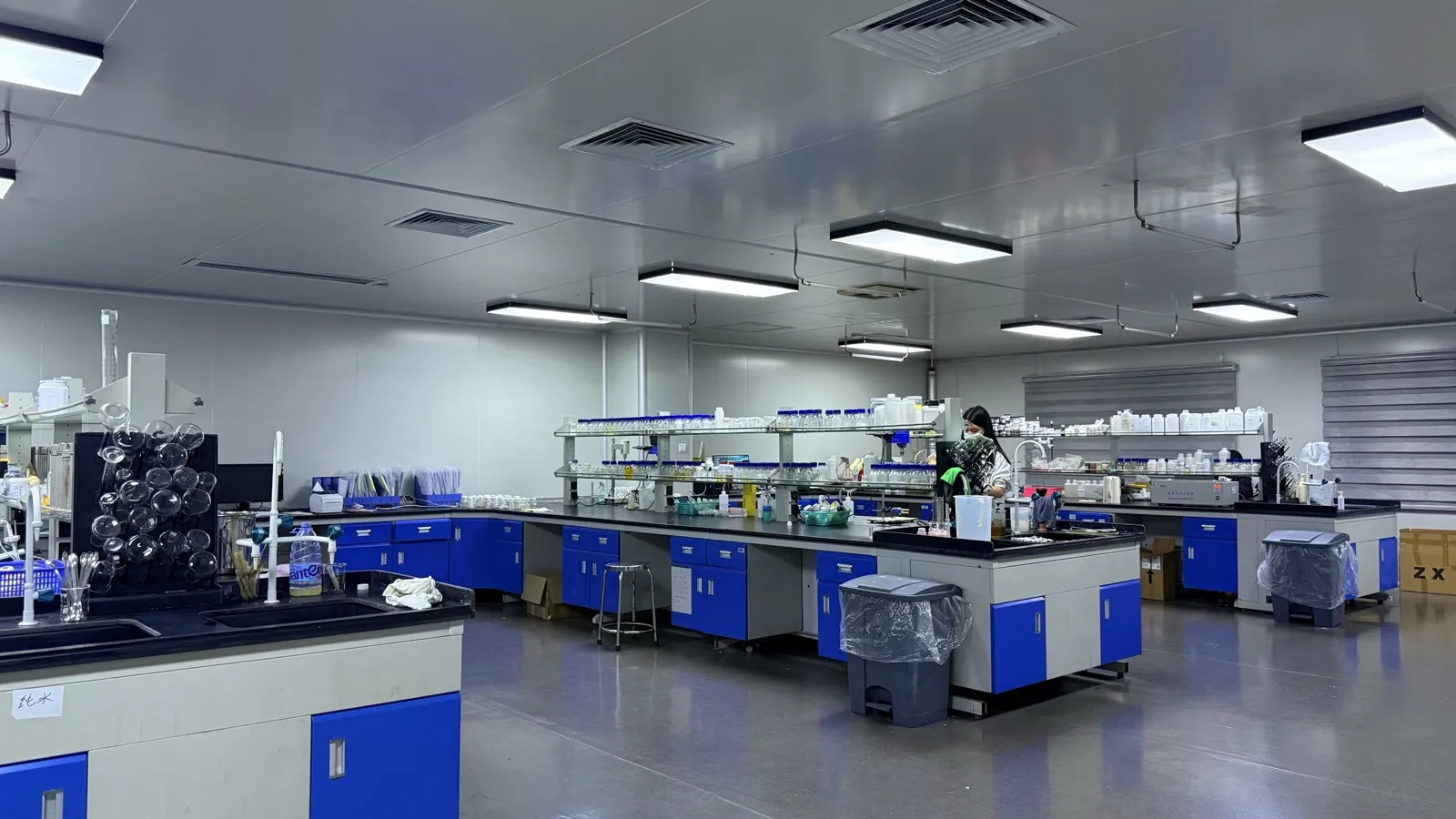
Several structural forces make Vietnam unusually promising for new beauty brands and the OEM partners that supply them.
A Young, Fast-Growing Population
Vietnam has over 100 million people, with a median age in the mid-thirties and a large cohort of digitally native young adults entering their peak skincare-spending years. Rising disposable income and rapid urbanization in Ho Chi Minh City, Hanoi, and Da Nang are expanding the middle class that drives beauty consumption. Beauty spending per capita is still below regional leaders like Thailand, which means significant headroom for growth.
Explosive Social Commerce
Vietnam is one of the most social-commerce-driven markets in the world. TikTok Shop has grown explosively, and live-selling is a mainstream way to buy skincare. This lowers the barrier for new brands: a compelling product and strong short-video content can generate sales without a large retail footprint or heavy ad budget. For OEM brands, this means a nimble launch on a focused hero product can scale quickly if the content resonates.
Strong K-Beauty Influence
Vietnamese beauty taste is heavily shaped by Korean trends - lightweight textures, glass-skin hydration, brightening, gentle actives, and appealing minimalist packaging. Products that echo the K-beauty aesthetic while being priced for the local market perform well. This plays directly to the strengths of experienced China-based OEM manufacturers, who can produce K-beauty-style formulations and finishes at competitive cost.
Value-Conscious but Quality-Aware
Vietnamese consumers research heavily before purchasing and are increasingly ingredient-aware, but they remain price-sensitive. The winning position is credible quality at an accessible price - exactly what a well-run OEM partnership can deliver. Affordable brightening serums, hydrating essences, sheet masks, and lightweight sunscreens are consistent high-demand categories.
Vietnam Cosmetics Regulation: The DAV Notification System
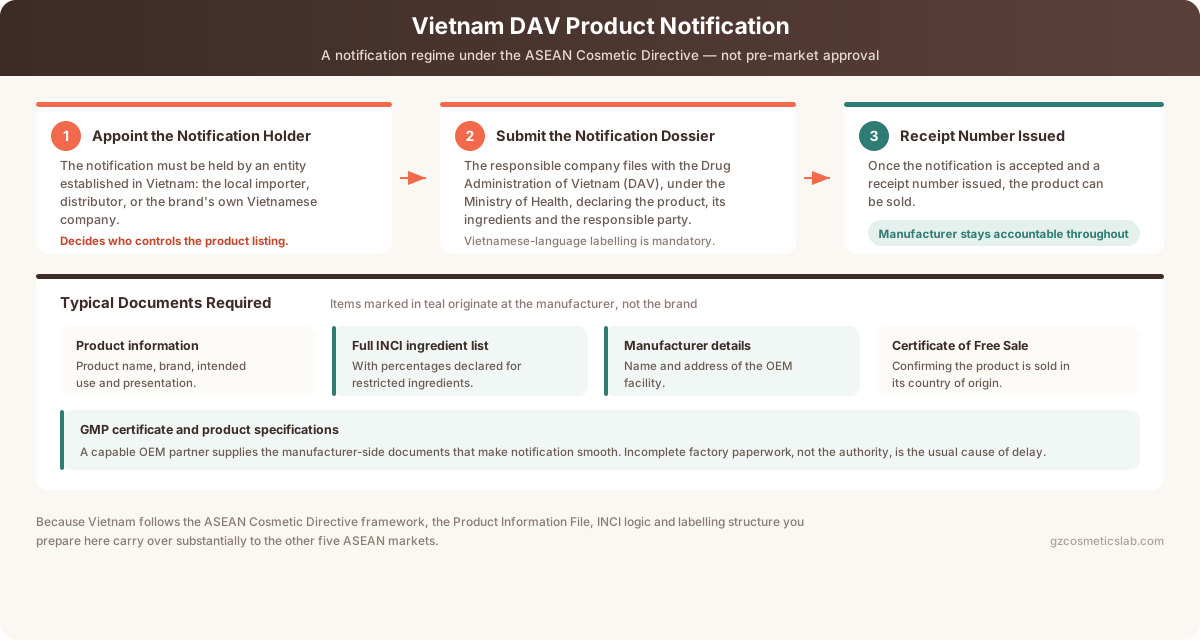
Chart by GZ Cosmetics Lab · Free to reuse with a link back to this page.
Before any cosmetic can be legally sold in Vietnam, it must go through product notification with the Drug Administration of Vietnam (DAV), under the Ministry of Health. Vietnam follows the ASEAN Cosmetic Directive framework, so the system will feel familiar to anyone who has registered products in other ASEAN markets - it is a notification regime, not a full pre-market approval like a pharmaceutical.
What Notification Means
Under the ASEAN framework, cosmetics are handled through a "product notification" rather than heavy pre-market registration. The company responsible for placing the product on the market submits a notification dossier to the authority, declaring the product, its ingredients, and the responsible party. Once the notification is accepted and a receipt number issued, the product can be sold. The manufacturer and the responsible company remain accountable for safety and compliance at all times.
Who Can Hold the Notification
The notification must be held by an entity established in Vietnam - typically the local importer, distributor, or the brand's own Vietnamese company. Foreign brands usually work with a local partner or distributor who holds the notification on their behalf. This is an important early decision: your local partner structure affects who controls the product listing and how easily you can switch distributors later. The same structural question comes up across the region in different forms - the Philippines, for example, requires the local entity to hold a License to Operate before any product can be notified at all.
Typical Documents Required
- Product information - product name, brand, intended use, and presentation
- Full ingredient list (INCI) - with percentages for restricted ingredients
- Manufacturer details - name and address of the OEM facility
- Certificate of Free Sale (CFS) - often required for imported products, showing the product is freely sold in the country of origin
- Letter of Authorization - from the brand owner to the local notification holder
- GMP evidence - proof the manufacturer follows good manufacturing practice (ISO 22716 / GMPC)
Requirements evolve, so the exact document set should always be confirmed against current DAV guidance and with your local partner at the time of filing. A capable OEM partner supplies the manufacturer-side documents (ingredient lists, GMP certificates, product specifications) that make notification smooth.
Ingredient Compliance
Vietnam applies the ASEAN Cosmetic Directive's lists of prohibited and restricted substances. This matters most for the brightening category - Vietnam's number-one skincare demand - because some brightening agents are restricted or banned, and others have concentration limits. Formulating to Vietnam's approved list from the start avoids the costly problem of a rejected notification or, worse, a market recall. Your OEM partner's regulatory team should screen every formula against the ASEAN lists before production.
Labeling Requirements for Vietnam
Vietnam has specific labeling rules that trip up brands who assume an English-only label will pass. Getting labeling right at the design stage avoids expensive reprints and customs delays.
- Vietnamese-language labeling is mandatory - the label (or a compliant supplementary label) must carry required information in Vietnamese
- Mandatory information - product name, function, ingredients (INCI), net content, manufacturer and responsible party, country of origin, batch number, manufacturing/expiry dates, usage instructions, and warnings
- Supplementary labels - imported products often use a compliant Vietnamese supplementary label applied over or alongside the original
Because labeling is a common failure point, an OEM partner that builds compliant Vietnamese labeling into the packaging design stage saves brands significant time and cost.
Vietnam Consumer Demand: What Sells
Understanding demand shape is essential before choosing your first product. Vietnamese demand mirrors broader Southeast Asian patterns but with a distinct K-beauty tilt.
Brightening Leads
As across the region, brightening and even-tone products are the number-one demand. Niacinamide, vitamin C derivatives, alpha arbutin, and tranexamic acid are popular actives. For guidance on this category, see our guide on whitening and brightening products for OEM.
Hydration and Glass Skin
The K-beauty "glass skin" ideal drives strong demand for hydrating essences, serums, and lightweight moisturizers with hyaluronic acid, panthenol, and beta-glucan - products that suit Vietnam's hot, humid climate. See our guide on skincare ingredients for tropical climate for climate-appropriate formulation.
Sheet Masks and Affordable Treats
Sheet masks are hugely popular in Vietnam as affordable, giftable, social-friendly products - an ideal low-MOQ launch category. See our guide on private label sheet mask manufacturing.
Sunscreen as a Daily Essential
With year-round high UV, lightweight no-white-cast sunscreen is a daily-repeat category with strong loyalty. See our guide on sunscreen OEM for Southeast Asia.
Gentle Actives and Clean Positioning
Cica (centella asiatica), green tea, and other soothing botanicals resonate with Vietnam's K-beauty-influenced, ingredient-aware consumers. Clean and "gentle" positioning is increasingly effective, especially for younger buyers.
E-Commerce Channels in Vietnam
Vietnam's beauty market is overwhelmingly digital-first. A new brand's channel strategy usually starts online before any physical retail.
- Shopee Vietnam - the largest marketplace, essential for reach and reviews
- Lazada Vietnam - a strong secondary marketplace
- TikTok Shop Vietnam - explosive growth via live-selling and short-video discovery; often the fastest channel for a new brand to gain traction
- Facebook and Instagram - social discovery and direct-message selling remain significant
- Local retail and pharmacy chains - Hasaki, Guardian, and others matter as a brand scales
For most new brands, the winning launch pattern is: nail a focused hero product, seed content and micro-influencers, build reviews on Shopee and TikTok Shop, then expand the range and channels as the brand proves out. The marketplace review flywheel works the same way in Vietnam as elsewhere in ASEAN - early velocity and strong ratings compound into organic ranking.
Why Brands Choose China OEM for Vietnam
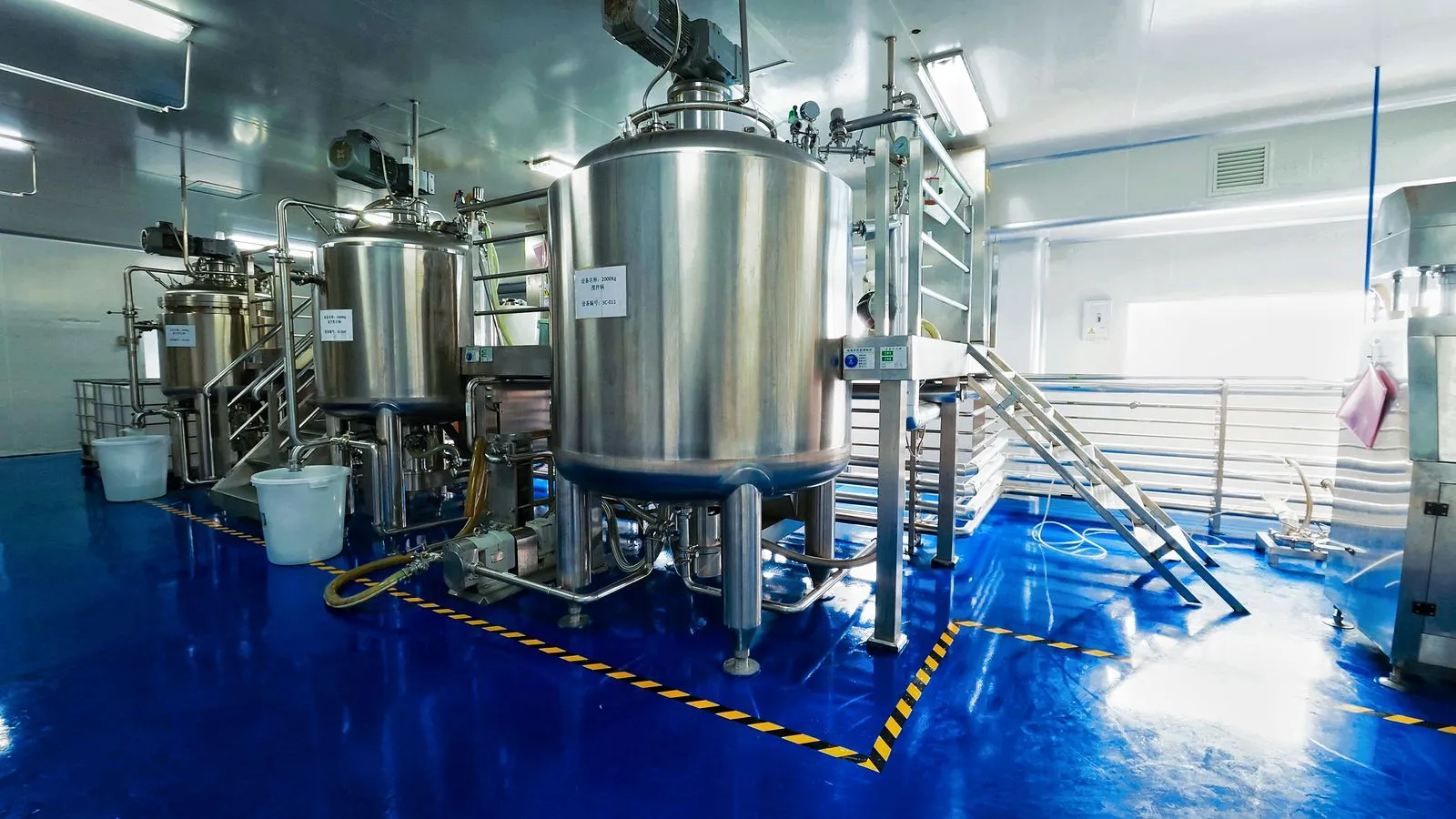
Vietnamese entrepreneurs searching "gia công mỹ phẩm" have several manufacturing options - local Vietnamese factories, Korean labs, and China-based OEMs. China OEM remains a leading choice for specific, practical reasons.
| Factor | China OEM | Local Vietnam | Korea OEM |
|---|---|---|---|
| Unit cost | Very competitive | Competitive but limited scale | Higher |
| Formulation depth | Very broad, mature R&D | Developing | Strong, trend-leading |
| MOQ flexibility | Flexible, low-MOQ options | Variable | Often higher MOQ |
| Category range | Full range under one roof | Narrower | Strong in some categories |
| Proximity/logistics | Close, short shipping to Vietnam | Local | Farther |
Cost and Scale
China's mature cosmetics manufacturing base offers highly competitive unit costs across a full range of categories, with the capacity to scale as a brand grows. For a price-sensitive market like Vietnam, this cost advantage translates directly into margin or a sharper retail price.
Formulation Depth and Technology
Experienced China OEMs can produce the K-beauty-style textures and actives Vietnamese consumers want, and leading manufacturers offer genuine technology differentiation. Our proprietary supramolecular transdermal delivery technology, backed by multiple granted patents, improves how active ingredients penetrate the skin - a real performance edge for brightening and anti-aging products in a competitive market. Learn more on our technology page.
Low MOQ and Fast Launch
Flexible, low-MOQ options let new Vietnamese brands launch a focused product without oversized commitments - for sheet masks, from 5,000 sheets per variant. This suits the test-and-scale approach that social commerce rewards. Proximity also means short shipping times from China to Vietnam.
Proximity and Logistics
China's closeness to Vietnam means faster, cheaper shipping than sourcing from farther afield, and easier factory communication and visits. Combined with full-category capability under one roof, this makes it straightforward for a brand to expand its range over time with a single trusted partner.
The OEM Process for Launching in Vietnam
- Brief and positioning - define target consumer, hero product, benefit, and price point
- Formulation - select or customize a formula, screened against ASEAN/Vietnam ingredient rules
- Sampling - evaluate texture, performance, and packaging on a project-specific preparation and revision schedule
- Testing - stability, safety, and microbiological testing
- Labeling and packaging - compliant Vietnamese labeling built into the design
- DAV notification - local partner files the product notification dossier
- Production and QC - manufactured under ISO 22716 / GMPC (routine bulk production typically 35-60 days after sample, packaging, and artwork approval)
- Launch - Shopee/TikTok Shop launch with content and review seeding
The full first-order calendar combines sampling, testing, bulk production, DAV notification, and freight. Because the local filing and logistics schedules vary, the end-to-end date is confirmed per project rather than promised as one fixed window. Working with an OEM partner that supplies the manufacturer-side regulatory documents helps keep the notification step moving.
Building Toward a Localized Vietnamese Presence
Because so much Vietnamese beauty demand is expressed in local-language search and content, brands that localize win. Vietnamese-language product listings, content, and customer service outperform English-only approaches. As your brand grows, investing in Vietnamese-language marketing - from marketplace listings to short-video content - compounds the advantage of a well-formulated, well-priced product. The combination of a strong hero product, compliant DAV notification, Vietnamese labeling, and localized content is what turns a launch into a durable brand.
Vietnam Market Size and Growth Outlook
The numbers behind Vietnam's beauty boom explain why so many brands and OEM partners are paying attention. Vietnam's cosmetics and personal care market has been growing at a strong single-to-double-digit annual pace, well ahead of more mature regional markets, and skincare is the fastest-expanding segment within it. Several forces compound this growth: rising household income, rapid urbanization, a surge in skincare awareness driven by social media, and a shift from basic personal care toward multi-step routines influenced by Korean beauty culture.
Per-capita beauty spending in Vietnam still trails Thailand and Malaysia, which is precisely why the runway is so long. As incomes rise and the skincare habit deepens among the large under-35 population, spending per person is expected to climb toward regional norms - a structural tailwind that benefits new entrants rather than just incumbents. For an OEM brand, entering during this expansion phase means competing for a growing pie rather than fighting for share in a saturated market. Categories tied to daily routine - brightening serums, hydrating essences, sunscreen, and cleansers - benefit most because they generate repeat purchase and build the customer lifetime value that makes a brand sustainable.
Importantly, growth is not confined to Ho Chi Minh City and Hanoi. Tier-two cities and provincial markets are coming online through e-commerce, which removes the need for physical distribution to reach them. A brand with strong online content and marketplace presence can sell nationwide from day one - a structural advantage that did not exist a decade ago and that favors nimble, digital-first brands over slow legacy players.
Competition and How to Position
Vietnam's beauty shelves and marketplaces are crowded with three broad groups: global multinationals, Korean and Japanese imports, and a fast-growing wave of local Vietnamese brands. Understanding where the gaps are is essential before choosing your positioning.
- Global multinationals - strong brand awareness and retail presence, but often priced above the mass market and slower to localize to Vietnamese taste and content trends
- Korean/Japanese imports - aspirational and trend-setting, but carry import cost and premium pricing that leaves room underneath
- Local Vietnamese brands - agile, price-competitive, and native to local content culture; the most direct competitors for a new OEM brand
The most reliable opening for a new brand is the space between aspirational imports and generic cheap products: credible, well-formulated skincare that echoes the K-beauty aesthetic but is priced for the local mass-to-masstige market. This is exactly the position a strong China OEM partnership enables - trend-relevant formulation and finish at a cost structure that supports an accessible price. Differentiation then comes from a sharp single benefit (usually brightening or hydration), a distinctive brand identity, genuine formulation performance, and disciplined content marketing rather than from trying to out-spend incumbents.
Import, Logistics, and Timelines
Because most brands entering Vietnam manufacture abroad and import, understanding the logistics chain helps you plan cash flow and launch timing realistically.
- Proximity advantage - shipping from southern China to Vietnam is short and relatively inexpensive compared with sourcing from Korea, Japan, or Europe, which improves landed cost and shortens lead times
- Import duties and VAT - imported cosmetics are subject to Vietnam's applicable import duties and value-added tax; regional trade agreements can reduce duties on qualifying goods, so confirm the current rate for your product and origin with your local partner
- Customs clearance - a valid DAV notification and compliant Vietnamese labeling are prerequisites for smooth clearance; missing or incorrect labeling is a common cause of delays
- Order sizing - small first orders may ship by less-than-container-load; as volume grows, full-container shipping lowers per-unit freight
Building the notification and labeling steps into your project timeline from the start avoids the classic mistake of having finished stock stuck at the border. A realistic plan sequences formulation and sampling, testing, labeling, DAV notification, and shipping so that the product arrives ready to sell.
Startup Cost and Planning
One of Vietnam's biggest attractions is a genuinely low barrier to entry compared with Western markets. While exact figures depend on category, MOQ, and packaging, the cost structure of a first launch generally breaks down into a few clear buckets:
- Product cost - formulation/sampling plus the first production run (kept lean with low-MOQ categories like sheet masks, from 5,000 sheets per variant)
- Packaging and design - stock packaging with custom labels keeps this low at launch; fully custom packaging raises both cost and MOQ
- Regulatory - DAV notification and compliant Vietnamese labeling (often handled with your local partner)
- Logistics - shipping, duties, and VAT on the imported order
- Marketing - content production and micro-influencer/live-selling seeding to build the first wave of reviews
The discipline that protects a new brand is the same everywhere: start with one focused hero product at a modest MOQ, prove demand and accumulate reviews, then reinvest into larger, cheaper reorders and a wider range. Vietnam's social-commerce environment rewards this approach because a single strong product with good content can generate momentum without a large upfront retail or ad commitment. Over-ordering an unproven range is the fastest way to tie up cash; the low-MOQ path preserves flexibility while you learn what the market actually buys.
Content and Influencer Strategy for Vietnam
In a market where discovery and purchase happen in the same social feed, content is not a marketing add-on - it is the distribution channel. Vietnamese consumers scroll TikTok and Facebook for beauty inspiration and buy directly through live-selling and shoppable video. A brand that wins here treats content as the core of its go-to-market plan, not an afterthought.
The most effective launch approach combines a few repeatable tactics. Micro and mid-tier influencers - often more trusted and far more affordable than celebrities - generate authentic routine and results content that seeds the first wave of awareness. Live-selling sessions, run by the brand or by KOCs (key opinion consumers), let hosts demonstrate texture and results and close sales in real time, which is especially powerful for brightening and mask products with a visible payoff. Native Vietnamese-language captions, hooks, and reviews consistently outperform translated or English-only content because they read as genuine rather than imported.
Underneath the content sits the review flywheel. Marketplace algorithms on Shopee and Lazada reward products with early sales velocity and strong ratings by pushing them up in search and category rankings, which drives more sales and more reviews. The hardest part of any launch is breaking into this loop, so successful brands concentrate spend at the start - launch discounts, bundle offers, and generous seeding to micro-influencers - specifically to accumulate the first few hundred genuine reviews quickly. Once momentum builds, organic ranking and word of mouth carry more of the load, and the brand can widen its range and channels from a position of proven demand.
The practical takeaway for an OEM brand is that product and content must be planned together. A hero product with an obvious, filmable benefit, priced for the local market and backed by a credible ingredient story, gives your content something real to show - and that combination is what turns a Vietnamese launch into a durable brand.
Why Choose Us for Your Vietnam Cosmetics Brand
For brands entering Vietnam, the right OEM partner combines cost, formulation depth, regulatory support, and speed:
- Competitive cost and full-category capability - skincare, masks, sunscreen, and more under one roof
- K-beauty-style formulation - lightweight textures and actives tuned to Vietnamese taste
- advanced delivery technology for brightening and anti-aging performance that stands out
- Low-MOQ flexibility - launch a focused hero product without oversized orders
- Regulatory support - manufacturer-side documents (INCI, GMP evidence, specifications) for smooth DAV notification, plus compliant Vietnamese labeling
- Certifications - ISO 22716 / GMPC, and Halal capability where needed
As a GMPC-certified Guangzhou-based OEM/ODM manufacturer operating since 2010 with 13 production lines, we help brands develop and launch products for Vietnam and the wider ASEAN market - from formulation to compliant, market-ready product.
Planning your Vietnam market entry?
Tell us your product line and target volume. Within 24 hours, our team will reply with a quotation or the questions needed to prepare one.
Ready to Enter the Vietnam Market?
Vietnam offers scale, growth, and a social-commerce environment that rewards nimble, well-positioned brands. The keys are a hero product tuned to local taste, compliant DAV notification and Vietnamese labeling, and a launch strategy built around Shopee and TikTok Shop.
Request a quote or contact our team to discuss your Vietnam project. Explore related guides on how to start a skincare brand in Southeast Asia and private label cosmetics in Malaysia and Singapore.
Frequently Asked Questions
How do I register a cosmetic product in Vietnam?
Cosmetics require product notification with the Drug Administration of Vietnam (DAV) under the ASEAN Cosmetic Directive framework. A locally established entity (importer, distributor, or your Vietnamese company) submits the notification dossier - including ingredient list, manufacturer details, GMP evidence, and often a Certificate of Free Sale - and once accepted, the product can be sold.
Who can hold the product notification in Vietnam?
The notification must be held by an entity established in Vietnam, usually the local importer, distributor, or the brand's own Vietnamese company. Foreign brands typically work with a local partner who holds the notification on their behalf.
Is Vietnamese-language labeling required?
Yes. Vietnamese-language labeling is mandatory. Imported products often use a compliant Vietnamese supplementary label carrying the required information - product name, function, ingredients, net content, manufacturer and responsible party, origin, batch, dates, usage, and warnings.
Why manufacture in China for the Vietnam market?
China OEM offers competitive cost, broad formulation depth (including K-beauty-style products Vietnamese consumers favor), low-MOQ flexibility, full-category capability, and short shipping distances to Vietnam - a strong combination for a price-sensitive, fast-growing market.
What sells best in Vietnam?
Brightening leads, followed by hydration/glass-skin products, sheet masks, and lightweight sunscreen. K-beauty-influenced textures and gentle actives perform well, and social commerce (Shopee, TikTok Shop) is the dominant sales channel.
What is the MOQ to launch in Vietnam?
It depends on the category. Sheet masks can start from 5,000 sheets per variant using stock or semi-custom formulas, while custom creams and serums have higher minimums. Low-MOQ options let new brands test the market before scaling.
Related Products
Explore ready-to-customize formulations you can private label under your own brand.
Ready to Start Your Project?
Tell us your product requirements. Within 24 hours, our technical team will reply with a quotation or the questions needed to prepare one.