
Cosmetic Contract Manufacturer: What They Do & How to Choose One
Published by GZ Cosmetics Lab · 2026-07-27
What a Cosmetic Contract Manufacturer Really Does
A cosmetic contract manufacturer is a factory that produces beauty products on behalf of a brand, handling everything from formula development to finished, packaged goods ready for sale. When a brand searches for a contract manufacturer, it is almost always because they want a partner to build and produce a product for them, not merely fill bottles with a stock formula. That distinction matters, because the strongest contract manufacturers operate as full-service partners rather than pure production lines.
In practice, hiring a cosmetic contract manufacturer means outsourcing the technical and physical work of making a product while you keep control of the brand, the strategy, and the commercial decisions. You bring the vision, the target market, and the price point; the manufacturer brings formulation expertise, raw-material sourcing, quality systems, regulatory support, and the capacity to produce at scale. It is the model that lets a brand of any size access industrial-grade manufacturing without owning a factory.
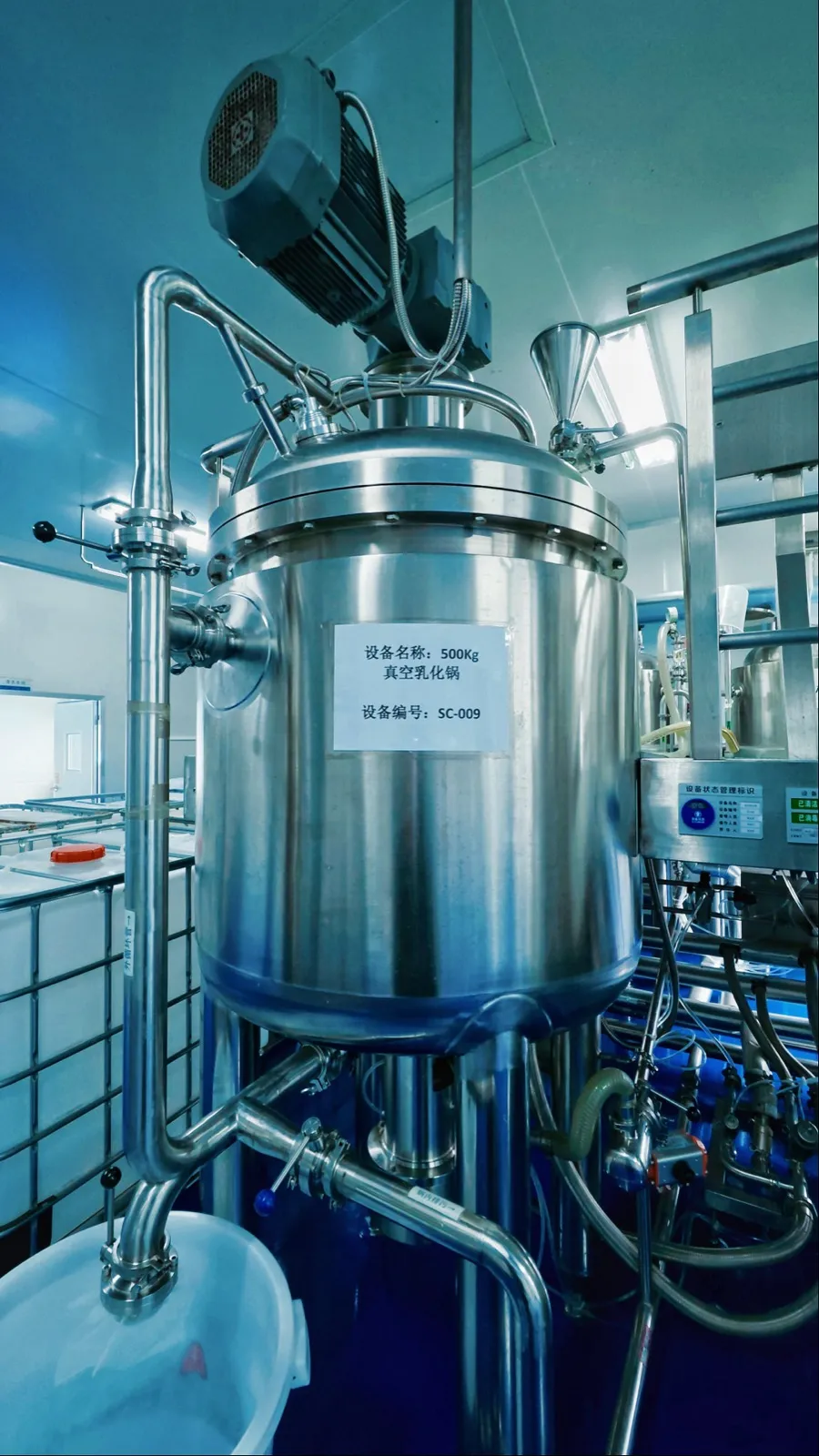
This guide explains the full scope of what a contract manufacturer provides, how to evaluate one, the numbers to plan around, and the questions that reveal whether you are dealing with a genuine development partner or a broker. If you are still deciding between full contract manufacturing, private label, and white label, our comparison of the three sourcing models draws the line between them first.
The Full Scope of Contract Manufacturing Services
The reason "contract manufacturer" is worth searching for specifically is that it implies the full stack of services, not a single step. A capable partner covers the whole journey from brief to shipped goods, which is exactly what a growing brand needs when it lacks an in-house lab and supply chain.
What a Full-Service Partner Handles
- Formula development or adaptation: building a formula from your brief, or tailoring a proven base to your target texture, actives, and price point.
- Raw-material sourcing: procuring ingredients against agreed specifications, with certificates of analysis for traceability.
- Stability and safety testing: accelerated stability studies, preservative-efficacy (challenge) testing, and packaging-compatibility checks so the product performs through its shelf life.
- Regulatory and compliance support: documentation for markets such as the US, EU, and ASEAN, which saves the cost and delay of assembling it alone.
- Packaging procurement and filling: sourcing components, then filling, assembling, and decorating the finished product.
- Quality control: incoming-material checks, in-process controls, and finished-product testing under a documented quality system.
- Scalable production: the capacity to run a first order and a much larger reorder off the same qualified lines.
When one partner handles all of this, you get a single point of accountability and far less coordination overhead. The alternative, stitching together separate formulators, testing labs, packaging suppliers, and fillers, is slower, costlier, and riskier for most brands.
Need help with your cosmetics project?
Our team provides free consultations on formulation, compliance, and manufacturing for brands entering Southeast Asian markets.
Contract Manufacturing, OEM, and ODM: How the Terms Connect
Buyers often meet several overlapping terms and assume they compete. They do not; they describe different layers of the same idea. Contract manufacturing is the broad umbrella for outsourcing production. OEM and ODM are specific arrangements within it, defined by who develops the formula.
- Contract manufacturing is the general category: any time an outside factory makes your product.
- OEM (Original Equipment Manufacturer) arrangements typically mean you supply the formula and the factory produces it.
- ODM (Original Design Manufacturer) arrangements mean the manufacturer develops the formula and you brand it.
Most real-world relationships blend these. A brand might use an ODM-style catalog formula for supporting products and an OEM-style custom build for its hero SKU, all under one contract manufacturing partnership. For the full breakdown of who owns what, our OEM vs ODM guide covers the formula-ownership question in detail.
When Contract Manufacturing Is the Right Choice
Contract manufacturing is not the only route to a product, so it helps to know when it is genuinely the best fit. It earns its place when you want a real product built to your specification and intend to grow a lasting brand, but do not want to build and run a factory.
- You want a differentiated product, not a generic item any reseller can also sell.
- You need technical capability you do not have in house, from formulation through testing and compliance.
- You plan to scale, and want a partner whose capacity grows with you rather than a supplier you outgrow.
- You value a single accountable partner over managing a chain of separate vendors.
If speed and lowest cost matter more than uniqueness for a particular product, private label or white label may fit that SKU better. Many brands mix approaches: private label for supporting lines and full contract manufacturing for the products that define them. Our private label cosmetics guide maps that middle route, and our guide to starting a private label skincare line shows how the pieces fit into a launch plan.
How to Evaluate a Cosmetic Contract Manufacturer
Choosing the right partner sets the ceiling on your product quality, reliability, and ability to scale. Work through these dimensions before you commit, and weigh the answers against each other rather than chasing the lowest quote.
The Dimensions That Matter
- Certifications and quality systems: confirm recognized credentials such as ISO 22716 (Good Manufacturing Practice for cosmetics) and GMPC, ideally with recent third-party audit reports you can review.
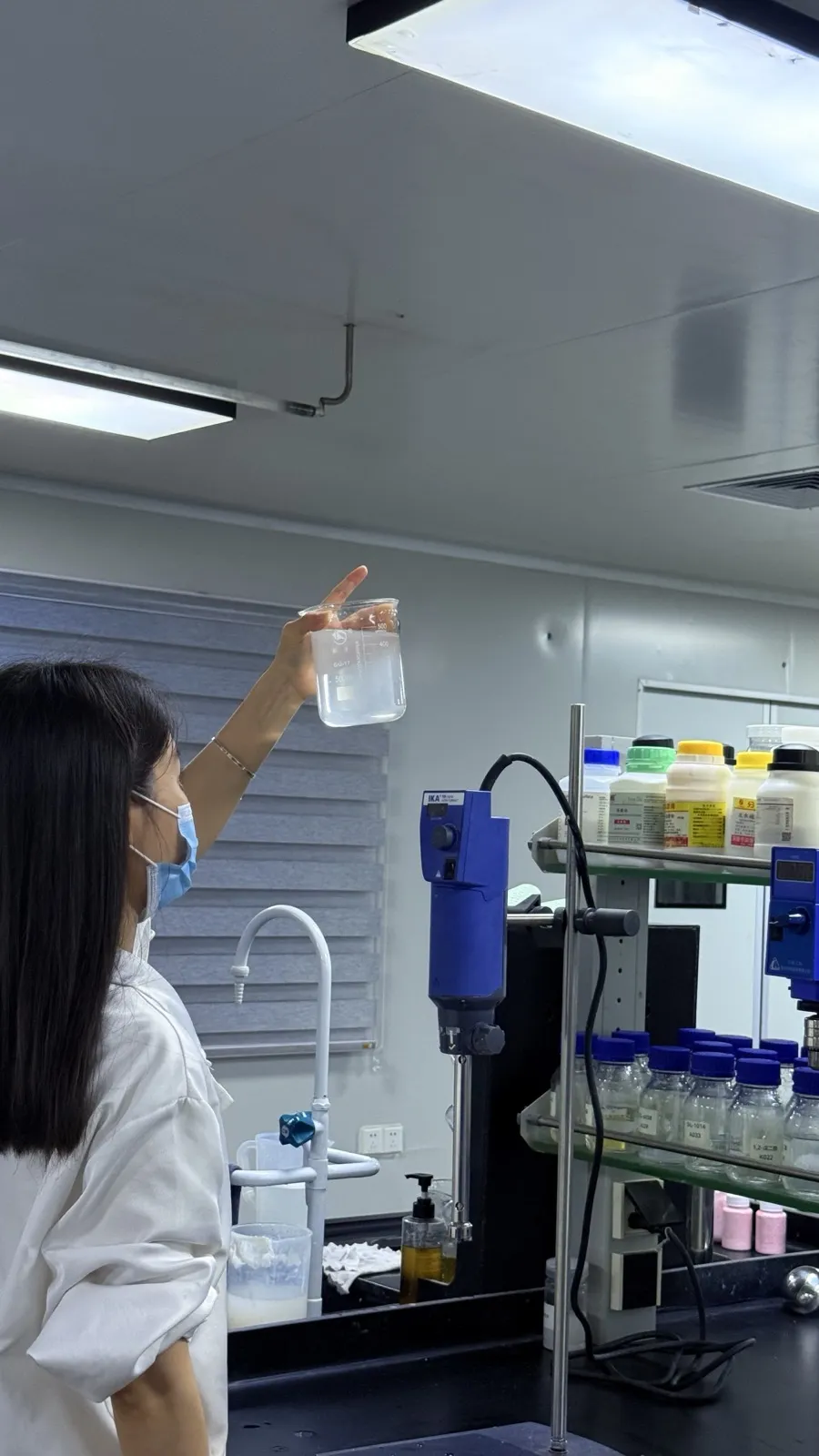
- Formulation capability: ask whether formulation happens in house and how many chemists are on the R&D team. In-house development means faster iteration and fewer communication gaps.
- Category experience: depth in your specific product type. A partner strong in emulsions is not automatically strong in color cosmetics or sun care.
- Capacity and scalability: enough headroom that your growth does not outstrip their lines, with consistent quality from first order to large reorder.
- Regulatory support: the ability to produce documentation for your destination market's registration.
- Transparency: clear MOQ, honest pricing, and openness to a factory visit or video walkthrough.
For a step-by-step vetting framework, including how to confirm a certificate is genuine and what to check on site, see our guide to choosing a cosmetics manufacturer in China. If your product is skincare specifically, our skincare manufacturer buyer's checklist adds the formulation and stability questions that category demands.
MOQ, Pricing, and Lead Times to Plan Around
Commercial terms decide whether a partnership is workable at your stage, so plan against realistic ranges and confirm with a quote for your exact spec. Numbers move with formula complexity, packaging, and volume.
- Minimum order quantity: flexible MOQ from 1,000 units per SKU is achievable with some partners for entry-level work, with 3,000 units per SKU a more common baseline as customization increases. Fully custom formulas and specialized packaging raise the minimum.
- Per-unit pricing: straightforward private label skincare commonly lands around $1.50-$3.50 per unit, with active-rich formulas, complex packaging, and full custom development running higher.
- Sampling lead time: roughly 2-4 weeks to customize an existing base; developing a formula from scratch takes longer.
- Full production timeline: plan for approximately 10-13 weeks from confirmed order to shipment once formula and packaging are locked, covering procurement, bulk production, QC, and finished-goods handling.
Disclaimer: MOQ, pricing, and timeline ranges are estimates based on 2026 market conditions and vary with formula complexity, packaging, actives, and order volume. Contact us for a custom quote tailored to your product.
Treat a quote far below these ranges with caution; it usually signals a thinner formula, weaker QC, or costs that appear later. For a full budget breakdown by category, our MOQ and cost guide goes deeper.
What Separates a Real Partner From a Broker
Some outfits marketing themselves as contract manufacturers are intermediaries who outsource the actual production, adding cost and communication gaps. These positive signals tend to identify a genuine manufacturer with real capability.
- They interrogate your brief. A real partner asks about target market, claims, price point, and packaging before quoting, because those change the formula.
- They discuss trade-offs. "We can hit that active level, but it affects texture and cost" is the language of a formulator who has done it.
- They own their facility. They can host a visit or a live video walkthrough of the production floor rather than deflecting.
- They document. Certificates of analysis, stability data, and clear specifications arrive readily, not after repeated chasing.
- They back it with technology. Genuine R&D depth, such as our proprietary supramolecular transdermal delivery technology backed by multiple granted patents, points to a manufacturer rather than a reseller. Our technology page explains how it improves active delivery.
The specificity of the answers, not the polish of the website, tells you which you are dealing with. A capable partner welcomes hard questions; a broker deflects them.
Questions to Ask Before You Sign
Bring these to your shortlist. The clarity of the answers will rank your candidates faster than any brochure.
- Do you formulate in house, and how many chemists are on your R&D team?
- Which certifications do you hold, and can I see recent audit reports?
- What is your realistic MOQ and per-unit price for my exact spec and packaging?
- What stability and safety testing do you run, and can I see a sample report?
- What is the honest timeline from approved formula to delivered goods?
- Can you provide documentation for my target market's registration?
- Do you own the production facility, and can I visit or see a live walkthrough?
Frequently Asked Questions
What is a cosmetic contract manufacturer?
A cosmetic contract manufacturer is a factory that produces beauty products on behalf of a brand, typically handling formula development or adaptation, raw-material sourcing, testing, regulatory documentation, packaging, filling, and quality control. The brand keeps ownership of the brand and strategy while the manufacturer provides the technical and production capability.
Is a contract manufacturer the same as OEM?
Not exactly. Contract manufacturing is the broad category of outsourcing production. OEM and ODM are specific arrangements within it, defined by who develops the formula: in OEM you typically supply the formula, in ODM the manufacturer develops it. See our OEM vs ODM guide for the full distinction.
What is the minimum order for contract manufacturing cosmetics?
It depends on the model and product. Flexible MOQ from 1,000 units per SKU is achievable for entry-level work with some partners, while 3,000 units per SKU is a more common baseline as customization increases. Fully custom formulas and specialized packaging raise the minimum, so confirm against your exact spec.
How long does contract manufacturing take?
Customizing an existing base can yield samples in roughly 2-4 weeks, with full production landing around 10-13 weeks from a confirmed order. Developing a formula entirely from scratch, including stability testing, takes considerably longer. Build these windows into your launch plan.
How do I choose the right cosmetic contract manufacturer?
Verify certifications such as ISO 22716 and GMPC, confirm in-house formulation and category experience, check capacity and scalability, and require transparent MOQ and pricing. Ask whether they own their facility and welcome a visit. Weigh these factors together rather than choosing on price alone.
Choosing a Partner You Can Grow With
A cosmetic contract manufacturer is more than a production line; the right one is the technical backbone of your brand, covering formulation, testing, compliance, and manufacturing under one accountable roof. Choose on capability, transparency, and category fit rather than on the lowest quote, and you turn a risky search into a partnership that scales with you.
If you would like a straight assessment of fit, MOQ, cost, and timeline for your specific product, request a quote and we will walk through it with you.
Looking for a Cosmetic Contract Manufacturer?
As a GMPC and ISO 22716 certified Guangzhou manufacturer operating since 2010, we provide full-service contract manufacturing across skincare, color, sun, body, and hair care, with in-house R&D and flexible MOQ from 1,000 units. Tell us your product and we will map the fastest route to market.
Ready to Start Your Project?
Tell us your product requirements. Our technical team responds within 24 hours with a detailed quotation.