
Value (Scalp SPA)
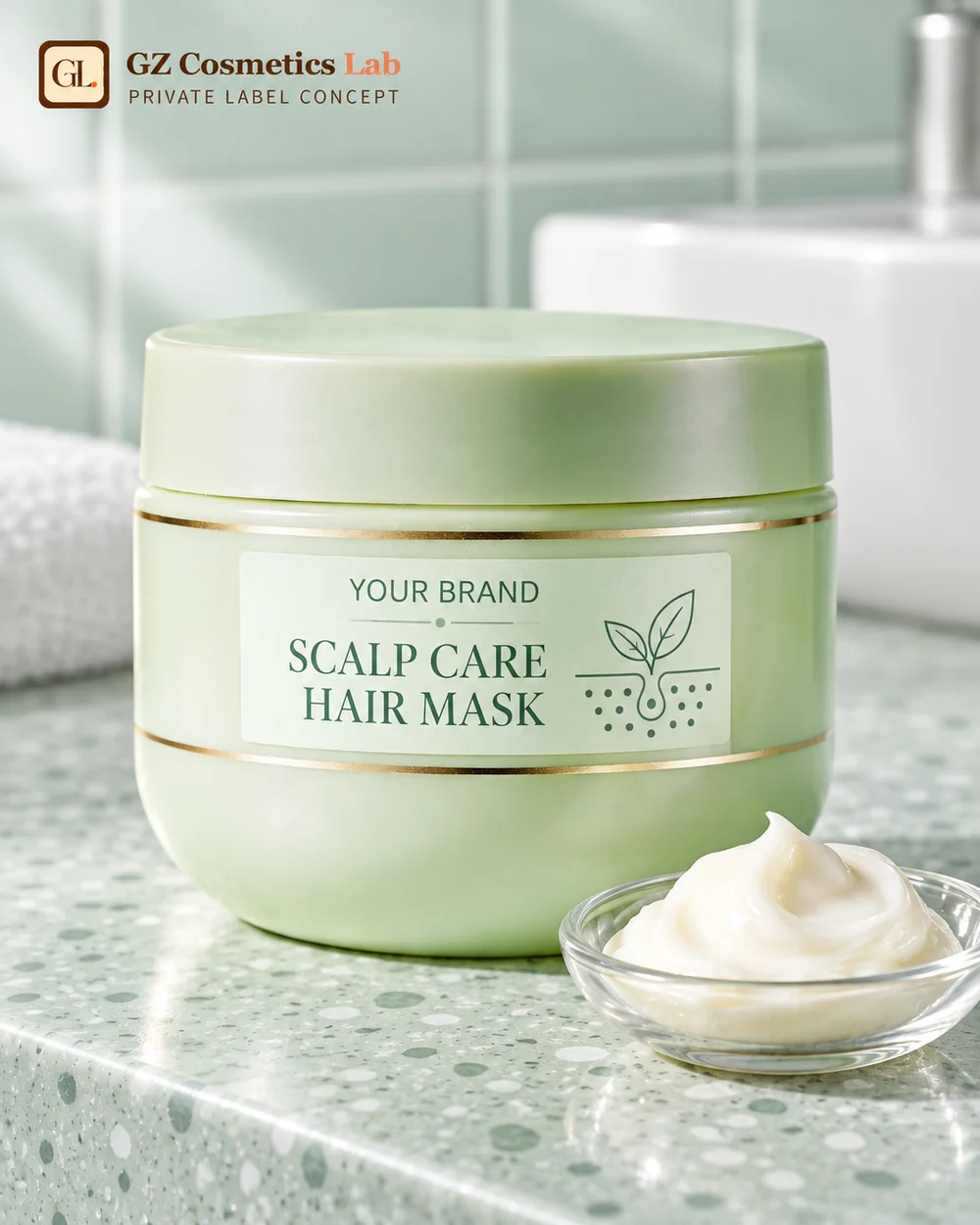
Scalp Care Refreshing Hair Mask
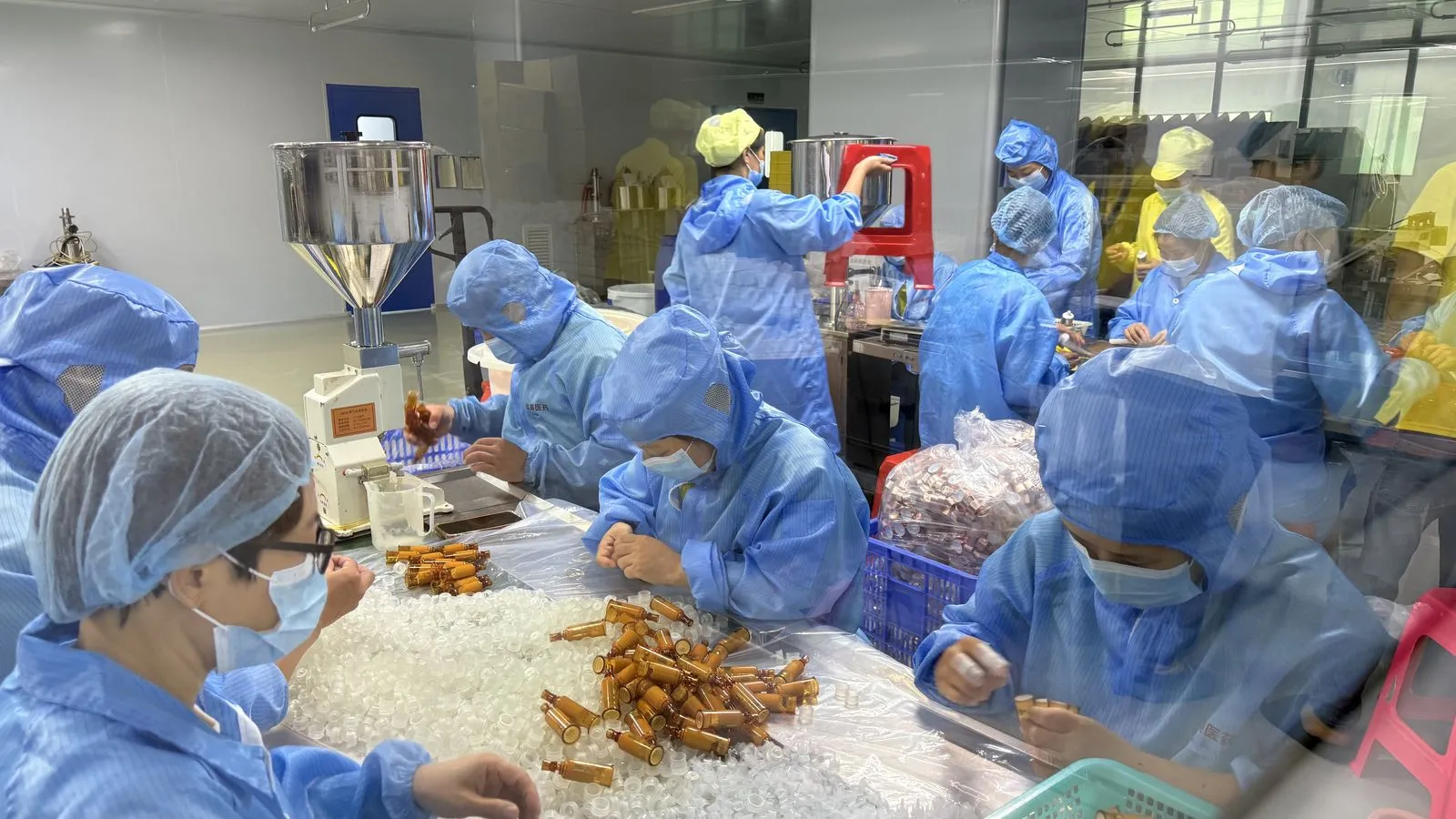
A rinse-off scalp treatment applied to roots rather than to hair lengths, positioned around a clean, cool, light scalp feeling. This is the most regulated product in our hair range and the reason is worth understanding before you brief it: the ingredients that make a scalp product work are the same ones that trigger drug classification when paired with the wrong claim. Salicylic acid with an anti-dandruff claim is an OTC drug in the United States; menthol with an anti-itch or pain-relief claim is likewise; tea tree with an antibacterial claim moves into therapeutic territory in several markets. The formula below is built to deliver a genuine sensory and oil-control result while keeping every claim inside cosmetic boundaries. Manufactured under ISO 22716. Acid levels are set within the limits of your destination market, and the system below is our standard ODM formula, adjustable to your positioning and cost structure.
Product Overview
| MOQ | 3,000 jars / SKU |
| Lead Time | 35–45 days |
| Sampling | 2–3 weeks for a custom sample round |
| Sizes | 150g |
| Packaging | Jar |
| Mini Pack | Yes - Single-use sachets (15-30ml/ packs)Suitable for trial |
| Suitable For | Oily or combination scalp; roots that feel greasy or congested between washes |
| Pricing | Quote-based — depends on acid level and market route, menthol tier, tea tree grade, and order volume. |
Quote response within 24 hours · Sample terms confirmed by project
Key Active Ingredients
How the Active Ingredients Work
Four parts do the work: a salicylic acid level set by destination-market rules rather than by a house baseline, menthol at the tier that gives a clear cooling read in a wash-off format, tea tree for a fresh scalp finish, and panthenol to keep the scalp comfortable afterwards. Levels below are set per market, and the system is adjustable to your positioning.
Salicylic acid market-dependent, set to the applicable rinse-off cap
A beta hydroxy acid used here for loosening surface build-up at the root so the scalp feels lighter between washes. We do not publish a house baseline for this ingredient, and the reason is specific to this product rather than a general disclaimer: a rinse-off hair product sits in its own regulatory bracket, carved out separately from face and body products, and the allowance is materially higher than most briefs assume. Under Annex III entry 98 of Regulation (EC) No 1223/2009 as amended by Regulation (EU) 2021/850, the EU permits up to 3.0% in rinse-off hair products, against 2.0% for most other product types and only 0.5% for body lotion and several leave-on categories. The ASEAN Cosmetic Directive follows the same structure at Annex III Ref 98, allowing up to 3% for rinse-off hair products against 2% for other skin products, with use in children under three prohibited — worth knowing if your range is positioned for families. Korea separates the two uses explicitly: 0.5% as a preservative, but up to 3% for rinse-off hair products and only for functional cosmetics, with general cosmetics barred since 2025 from advertising exfoliating or oil-control claims for salicylic acid. Japan is the outlier at 0.20 g per 100 g across all cosmetics under the Standards for Cosmetics, so a Japan-bound SKU either drops to that level or goes through quasi-drug registration. In the United States the applicable reference for a scalp product is the dandruff monograph at 1.8–3% for rinse-off rather than the acne monograph, and either way an anti-dandruff claim makes the product an OTC drug requiring Drug Facts labelling rather than a cosmetic. One EU detail worth passing to your regulatory team: the entry 98 limit is inclusive of any use, so where salicylic acid also serves a preservative function the two uses are counted together rather than separately. We formulate below whichever cap applies to your destination markets and confirm the level per project. Where a brief needs more exfoliating character than the local cap allows, PHA is the usual route since it does not count against the salicylic acid limit.
Menthol baseline 0.3% · range 0.1–0.5%
Menthol activates cold-sensing receptors in the skin, producing a cooling sensation without any actual temperature change. We run this at 0.1–0.5%, which is enough for the cooling to register clearly on a scalp without tipping into the intense range. That ceiling is deliberate rather than cost-driven: the strong cooling tiers of 1% and above belong to cooling body and leg products, where the skin is less reactive and there is no risk of the product running toward the eyes during a rinse. On a scalp product worked in with the fingers and rinsed in the shower, eye and mucosal irritation is the single largest complaint source for menthol, which is why we cap it well below where a body product would sit. Two limits to plan around. In the United States the dividing line is the claim rather than the level — cooling sensation and refreshing are cosmetic wording, while anti-itch or pain relief make it an OTC drug, which is why our copy for this product describes how the scalp feels and never what the product treats. In the EU, several member states apply specific restrictions to terpenes including menthol, camphor and eucalyptol in products for children under three, so a kids' or family positioning needs checking before it is briefed rather than after.
Tea tree oil fresh-finish aromatic
Melaleuca alternifolia leaf oil, included for the clean, fresh scalp character it gives and for its aromatic contribution to the treatment experience. We keep the claim narrow deliberately. Tea tree has a well-known reputation that tempts anti-dandruff and antibacterial wording, and both push the product out of cosmetics: anti-dandruff claims put it under the OTC drug route in the United States, and antibacterial or therapeutic claims raise substantiation demands across markets. What we write, and what we would advise you to write, is that the scalp feels fresh and clean. Formulation notes: it is volatile and oxidises on exposure to air and light, which shifts both odour and skin tolerance over time, so it goes in at cool-down and the packaging choice matters more than for a plain conditioning mask. It is also a common sensitiser at higher levels, so the level here is modest by design rather than by cost.
Panthenol post-treatment comfort agent
Panthenol converts to pantothenic acid on skin and holds moisture in the upper layers, which is what keeps this formula from leaving the scalp feeling stripped after the acid and the surfactant contact. It earns its place for a specific reason: the most common complaint about scalp treatments is not that they fail to clean but that they overshoot, leaving the scalp tight and prompting the customer to stop using the product. Including panthenol is the difference between a scalp mask that gets repurchased and one that gets abandoned after two uses. It is heat-sensitive and goes in at cool-down alongside the tea tree.
Formulation & Customization Options
| Service model | OEM from your own brief, or ODM starting from this baseline. Both include formulation, stability and pilot batch before production. For this product we also confirm the regulatory route for your destination market before sampling, since the acid level depends on it. |
| Adjustable elements | Salicylic acid level within the applicable market cap, menthol within its 0.1–0.5% band, tea tree level, and texture. The trade-off worth stating: a stronger cooling read tests extremely well in a single-use panel and is the most common cause of scalp discomfort complaints in repeat use, so we tune menthol on a full wash cycle rather than on first impression. |
| Market route | The single most important input for this product. A formula for ASEAN, the EU, Japan, Korea or the United States is not the same formula — ASEAN and the EU both allow up to 3% salicylic acid in rinse-off hair products, which is the bracket this product sits in; Japan permits only 0.2% across all cosmetics; the EU counts preservative and functional use together; Korea allows 3% for rinse-off hair but only on functional cosmetics and bars efficacy advertising on general ones; and a US anti-dandruff claim triggers the OTC drug route entirely. Tell us the destination markets at briefing and we will set one compliant formula or advise where separate versions are needed. |
| Target pH | Weakly acidic. For a salicylic acid formula the pH is a performance variable rather than only a stability setting, since it governs how much of the acid is present in its free, active form. Final target pH confirmed per project alongside the acid level. |
| Texture and base | Light cream that spreads at the roots without coating the lengths, since this is applied to the scalp rather than the hair. Adjustable toward a gel-cream where a brand wants a lighter read. |
| Exfoliation alternatives | Where a brief calls for more exfoliating character than the local salicylic acid cap allows, PHA is the usual route since it does not count against the salicylic acid limit. This is the practical answer for Japan in particular, where 0.2% leaves limited room, and for family-positioned ranges where the ASEAN prohibition on children under three applies. |
| Fragrance | Your specified fragrance, or our fresh and herbal options. Tea tree contributes its own strong aromatic character, so the fragrance brief has to work with it rather than against it. |
| Certification support | Halal, COSMOS and vegan-positioned formulations can be scoped to your requirement — tell us the destination market and certifying body and we will confirm feasibility before sampling. This formula contains no animal-derived ingredients as standard, which makes a vegan-positioned version simpler here than in our protein-based masks. |
| Packaging | Jar as standard. Because tea tree oil is volatile and oxidises on exposure to air and light, we would advise a well-sealed format and can quote opaque or airless options where a brand wants extra protection over shelf life. Industry-standard formats including bottle, jar, tube, soft tube, sachet and airless are available; artwork and labelling are prepared to your destination market's requirements. |
| Certifications | ISO 22716 & GMPC certified; SGS testing supported upon request. |
Launch-fit guide
Who This Product Is Built For
Southeast Asian scalp-care ranges
Scalp-care ranges entering Southeast Asia, where heat and humidity make a heavy, greasy-feeling root the most common complaint and a cooling wash-off treatment is an easy sell.
Scalp results without drug registration
Brands that want a scalp SKU without taking on drug registration, where the product has to deliver a real sensory result while every claim stays inside cosmetic boundaries.
Sensation-led content
Short-form content built on sensation: a visible cooling reaction and a scalp-massage application film far better than a claim about scalp health, and they carry no regulatory exposure.
Scalp system building
Brands building a scalp-focused system, pairing this with an anti-dandruff oil-control shampoo and a lightweight conditioner that will not weigh roots back down.
Planning Your Scalp Care Refreshing Hair Mask Project
What to prepare before quotation and sampling, which checks are part of routine manufacturing, and which items are confirmed separately for this product type.
What to include in your brief
- Specify scalp and root application followed by rinsing, alongside the shampoo routine; describe the intended users and any proposed family positioning before selecting a sample.
- Define the desired cooling impression, rinse-out behaviour and acceptable root feel; distinguish scalp comfort observations from conditioning of the hair lengths.
Quality and testing plan
Agree a supervised use-assessment protocol for cooling, discomfort, rinse migration and post-rinse residue, with acceptance criteria and stop conditions set before participant use.
Confirm packaged-product odour and closure checks, assessment responsibility, report requirements and quotation scope; identify how routine release checks relate to the proposed scalp-use study.
Market and claims checkpoints
- Review final scalp-feel wording against the agreed evidence; cooling or ingredient presence alone does not support dandruff treatment, antibacterial, anti-itch or hair-growth claims.
Pricing and testing scope depend on the final formula, packaging, quantity and destination market.
Frequently Asked Questions
What is the MOQ?
3,000 jars per SKU. Sachet formats are filled at their own minimum and work well as a salon trial size for scalp treatments.
Why won't you give me a salicylic acid percentage up front?
Because the right number depends on where you are selling, and quoting one would mean making your regulatory decision for you. Japan permits 0.2%. The EU sets its allowance under Annex III entry 98 and counts any preservative use toward the same total, in its own wording inclusive of any use. Korea's practical ceiling for leave-on formats follows the 0.5% preservative allowance and general cosmetics there cannot carry efficacy claims. In the United States the dandruff monograph covers 1.8–3% for rinse-off products while the acne monograph covers 0.5–2%; either claim makes salicylic acid an OTC drug active rather than a cosmetic ingredient, and the two monographs are not interchangeable. Tell us your destination markets and we will set the level to the applicable cap and confirm it per project.
Can I claim this treats dandruff?
Not as a cosmetic in most of the markets you are likely to target, and this is the single most common mistake we see on scalp briefs. In the United States, an anti-dandruff claim with salicylic acid puts the product under the OTC dandruff monograph at 1.8–3% for rinse-off, with Drug Facts labelling and a different filing route. Note this is a different monograph from the acne one, so an acne-oriented spec does not transfer. Similar reclassification risks apply elsewhere. What this product can claim honestly is that the scalp feels clean, cool and light and that roots feel less greasy between washes — which is what customers actually notice and buy again for. If dandruff is central to your brand, that is a drug-route product and a different conversation, and we would rather have it before tooling than after.
How strong is the cooling, and can it be adjusted?
This runs at 0.3% with a working range of 0.1–0.5%. Below that band the cooling reads as a scent note rather than a sensation; above it you move toward the intense range used for cooling body and leg products, which on a scalp that gets rinsed in the shower raises eye and mucosal irritation risk rather than delivering a better experience. It is adjustable within that band. One caution from experience: strong cooling scores best in single-use panels and generates the most discomfort complaints in repeat use, so we would advise tuning it on a full wash cycle rather than on first impression.
Can I market this for children or as a family product?
That needs checking before you brief it. Several EU member states apply specific restrictions to terpenes including menthol, camphor and eucalyptol in products intended for children under three, and the salicylic acid position for children differs from the adult one as well. A family-positioned scalp product is feasible but it is a different formula rather than the same one with different artwork, so tell us at briefing if that is the target.
What is the sampling and production timeline?
2–3 weeks for a custom sample round, then 35–45 days for production once the sample and artwork are approved. Accelerated stability testing on the finished formula is run inside that window. For this product we confirm the market-specific acid level before sampling starts, so send destination markets with your brief to avoid a second sample round.
Which export certifications and claims should I plan for?
We manufacture under ISO 22716 with GMPC, and SGS testing is supported on request. This is the product in our hair range where artwork review matters most: anti-dandruff, antibacterial, anti-itch and treats wording each carry a different reclassification risk in a different market, and the same label can be compliant in one and a drug claim in another. Send artwork before printing and we will flag wording by market.
Customization
OEM/ODM supported
Target Markets
Certifications
ISO 22716 & GMPC certified; SGS testing supported upon request
Need a Custom Scalp Care Refreshing Hair Mask Formula?
Tell us your requirements — target actives, texture, packaging, quantity, and target market. Within 24 hours, we will reply with a quotation or the questions needed to prepare one.
Response within 24 hours · WhatsApp available · Factory visits welcome