
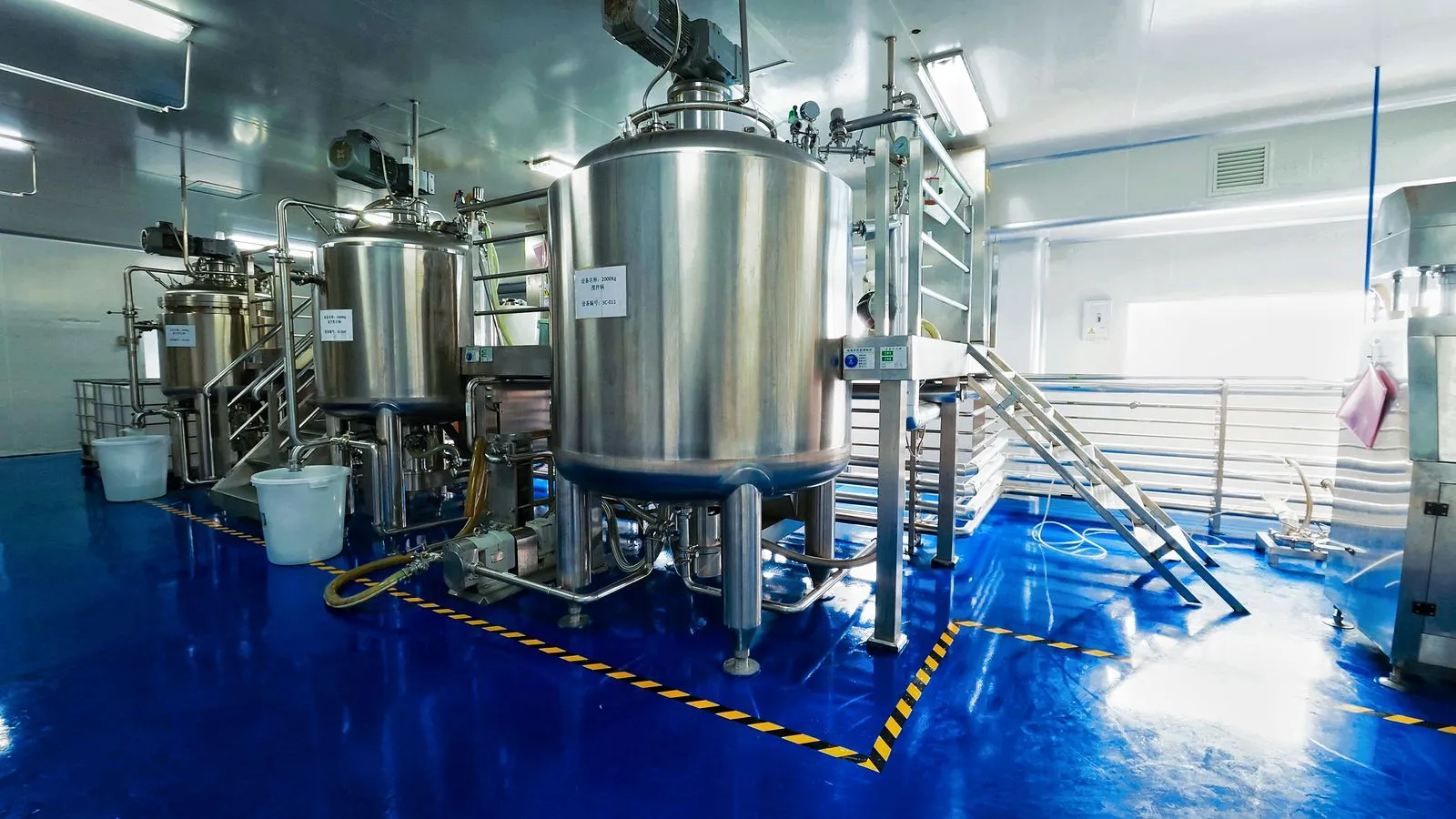
Value Brightening
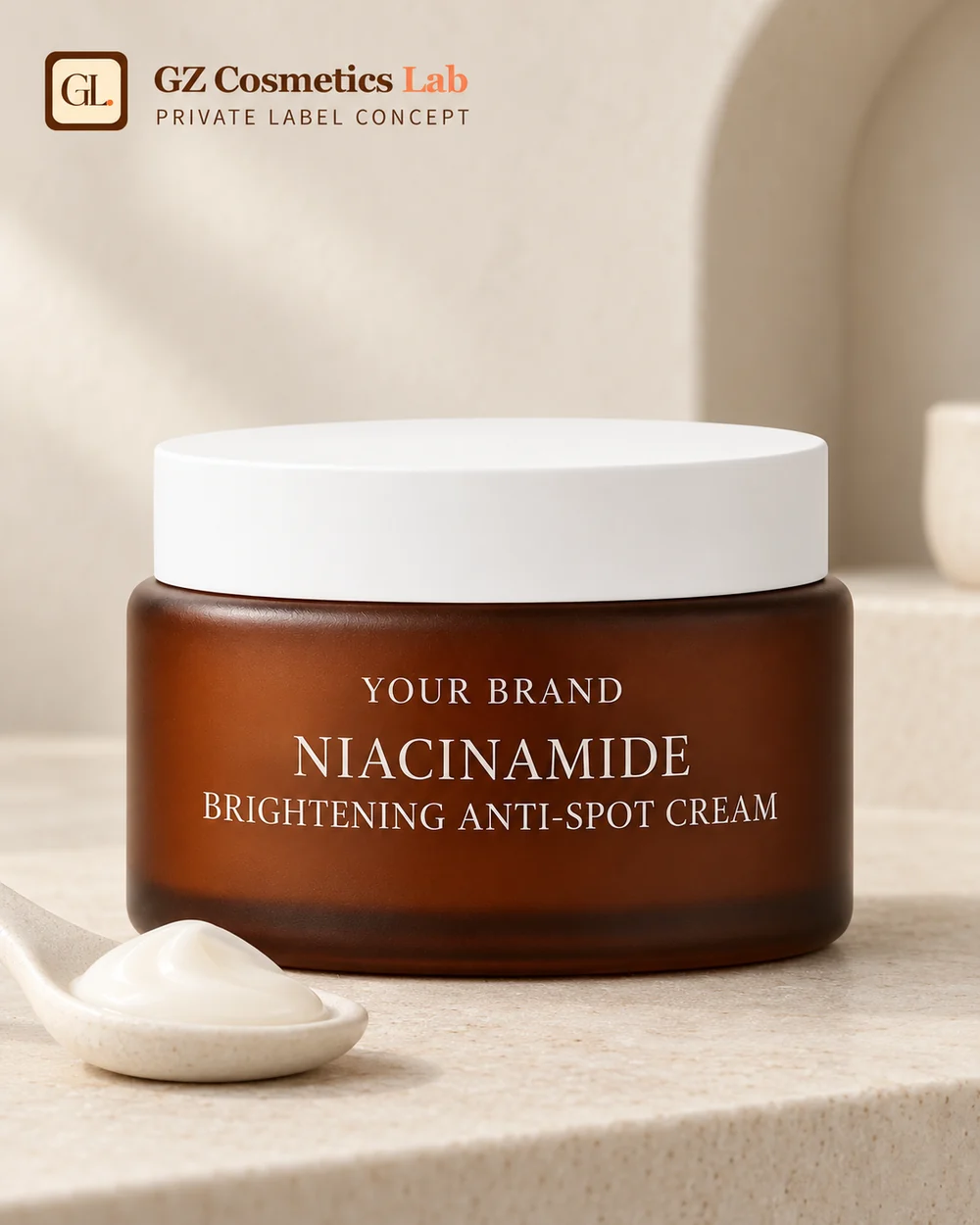
Niacinamide Brightening Anti-Spot Cream
A value-tier brightening cream where niacinamide is the declared hero rather than one name on a long list. Tranexamic acid and a stable vitamin C derivative support it, licorice root adds a familiar botanical cue, and squalane keeps the base comfortable at a mass-market cost. This is the page to read if you want the tone-evening benefit without the premium jar and premium landed cost of a ginseng or peptide line.
Product Overview
| MOQ | 3,000 jars / SKU |
| Lead Time | 45–55 days |
| Sampling | Sample lead time 2–3 weeks. Sample fee is refundable against the first bulk order. |
| Sizes | 30ml / 50ml |
| Packaging | Glass or plastic cream jar; Gel Cream version available |
| Mini Pack | No |
| Suitable For | Dull skin, acne marks, mild dark spots; normal/combination/oily skin |
| Pricing | Unit cost is quoted per project: niacinamide tier, tranexamic acid inclusion and order volume are the main levers. |
Quote response within 24 hours · Sample terms confirmed by project
Key Active Ingredients
How the Active Ingredients Work
Levels below are our standard ODM starting point, expressed as a share of the total formula on an as-supplied basis, and adjustable for your target market and price point.
Niacinamide (high purity) baseline 3% · range 2–5%
The hero, and the reason this page exists. Baseline 3% sits in the hero tier where a tone-evening claim is defensible, and the range tops out at 5% because that is Korea’s cap under its functional-cosmetic framework and a sensible ceiling for a leave-on cream regardless of destination. We specify high-purity material because nicotinic acid impurity is what causes the flushing complaints that get blamed on niacinamide concentration. Going above 5% is possible on request but only where niacinamide is the sole hero active and the formula carries no AHA, BHA, retinol or low-pH vitamin C, and that version needs tolerance validation during sampling rather than a straight scale-up.
Tranexamic Acid assist level alongside niacinamide
Included because the niacinamide-plus-tranexamic pairing is well established and the two are compatible at a near-neutral pH, which is not true of niacinamide with pure ascorbic acid. Worth flagging on the regulatory side: tranexamic acid is a prescription drug in several markets in its oral form, and while topical cosmetic use is accepted in the EU and across most of Asia, we confirm the level and the claim wording against your destination market before sampling. It supports the look of post-inflammatory marks; it does not treat melasma, and we will not write that it does.
Vitamin C derivative stable derivative rather than L-ascorbic acid
We use a derivative such as magnesium ascorbyl phosphate rather than pure vitamin C, and the reason is compatibility rather than cost. L-ascorbic acid needs a low pH that pulls the formula out of niacinamide’s comfortable window, and the combination is where the yellowing and irritation reports come from. A neutral derivative coexists with niacinamide without that tradeoff, at the cost of a slower, gentler effect — an honest trade for a value-tier cream that has to survive tropical shipping.
Glycyrrhiza Glabra Root Extract botanical support level
Licorice root, carrying a botanical brightening cue that buyers in Southeast Asia recognise on an ingredient list. We position it as supporting rather than functional: the load here is a marketing-relevant level, not a clinically dosed one, and we would rather say that plainly than let a brand build its primary claim on it.
Squalane with hyaluronic acid squalane in the oil phase, plus 0.1–0.5% total sodium hyaluronate
The base doing the comfort work. Plant-derived squalane rather than shark-derived, which matters for both vegan positioning and buyer questions. Hyaluronic acid stays at or below 0.5% total because above that a value-tier cream turns tacky, and tackiness is the complaint that kills repeat purchase faster than any missing active.
Formulation & Customization Options
| Niacinamide tier | Baseline 3%, adjustable within 2–5%; above 5% only as a sole-hero formula with tolerance validation during sampling |
| Tranexamic acid | Included by default, or removed for markets where the claim wording is restrictive; the niacinamide level is unchanged either way |
| Texture | Standard cream, or a gel-cream version for oily and humid-climate channels |
| Adjustable elements | Vitamin C derivative choice and level; licorice extract load; squalane and oil-phase ratio for a lighter or richer finish |
| Pack | Glass or plastic cream jar at 30ml or 50ml; tube available where cost per unit is the priority |
Launch-fit guide
Who This Product Is Built For
Value-tier brightening lines
The whole formula is built to hit a tone-evening claim at a mass-market landed cost, which is where most first-time brands need to launch. If the shelf position is premium, the Ginseng Radiance Renewal Face Cream carries a peptide and ginseng story that supports a higher price.
Brands pairing cream with a mask
Running the same active story across formats is how value brands build recognition on a small SKU count. The Niacinamide Brightening Anti-Spot Mask shares the hero and gives you a trial-priced entry product.
Routines that need a matching toner
A niacinamide cream sells better next to a niacinamide step earlier in the routine. The Balancing Radiance Toner is the usual pairing and keeps the concentration story consistent across the set.
Planning Your Niacinamide Brightening Anti-Spot Cream Project
What to prepare before quotation and sampling, which checks are part of routine manufacturing, and which items are confirmed separately for this product type.
What to include in your brief
- Destination market, channel and intended visible tone-evening positioning.
- Niacinamide tier, tranexamic-acid inclusion and vitamin C derivative preference or exclusions.
- Cream or gel-cream reference, target oil balance, fragrance and after-feel.
- Jar or tube, fill size and expected transit and storage conditions.
Quality and testing plan
Agree the batch-release specification for appearance, colour, pH, viscosity, fill and microbiological criteria.
Scope stability and pack compatibility for the chosen active combination, including colour/odour changes and dispensing. Confirm any tolerance or visible tone-evening study, acceptance criteria, fees and required documents; batch release does not demonstrate those outcomes.
Market and claims checkpoints
- Review the final formula and tranexamic-acid option for each destination before label sign-off.
- Use appearance-based wording supported by the finished product; ingredient literature alone does not substantiate a quantified tone-evening or post-acne-mark result.
Pricing and testing scope depend on the final formula, packaging, quantity and destination market.
Frequently Asked Questions
Why 3% and not 10% niacinamide?
Because 3% is where the benefit is well supported and the tolerance is reliable, and because 10% brings problems that get blamed on your brand rather than on the concentration. Korea caps niacinamide at 5% in its functional-cosmetic framework, so a 10% product cannot ship there as filed. We can build above 5% where niacinamide is the sole hero and the formula excludes AHA, BHA, retinol and low-pH vitamin C, but that version needs tolerance validation during sampling. A comfortable 3% cream that customers finish beats a 10% cream they abandon.
Can we claim this fades dark spots?
We can support brightening and helping to even the look of skin tone, including the appearance of post-acne marks. We will not write that it fades or treats dark spots or melasma. In the US that wording moves the product toward a drug claim, and in China anti-spot and whitening claims require special-purpose cosmetic filing with efficacy testing. The distinction sounds pedantic until a customs hold or a platform takedown makes it expensive.
Is the vitamin C in here actually stable?
It is a derivative rather than L-ascorbic acid, specifically because pure vitamin C is not stable alongside niacinamide at a workable pH. The derivative coexists with niacinamide at near-neutral pH and survives tropical shipping, and the honest tradeoff is that it works more slowly and gently than a well-formulated pure vitamin C serum would. For a value cream that spends weeks in transit and months on a shelf, that trade is the right one.
What is the MOQ and lead time?
MOQ is 3,000 jars per SKU and lead time is 45–55 days after sample approval. Sampling runs 2–3 weeks. If you want the tube format instead of the jar, the MOQ band is the same and the unit cost drops.
Does tranexamic acid create a regulatory problem?
Not for topical cosmetic use in the EU or across most of Asia, but the answer is market-specific and worth settling early. Its oral form is a prescription drug in several markets, which is why some importers flag the ingredient name even when the topical use is fine. We confirm both the level and the claim wording against your destination market during sampling, and we can supply the formula without it if a specific channel is difficult.
Can you certify this vegan?
The formula has no animal-derived inputs — the squalane is plant-derived, not shark-derived — so a vegan position is straightforward to document. Certification itself is arranged against your target market rather than claimed off the shelf, and we scope it during sampling. Manufacturing is ISO 22716 and GMPC compliant, with SGS testing on request.
Customization
OEM/ODM supported; custom formulation available.
Target Markets
Certifications
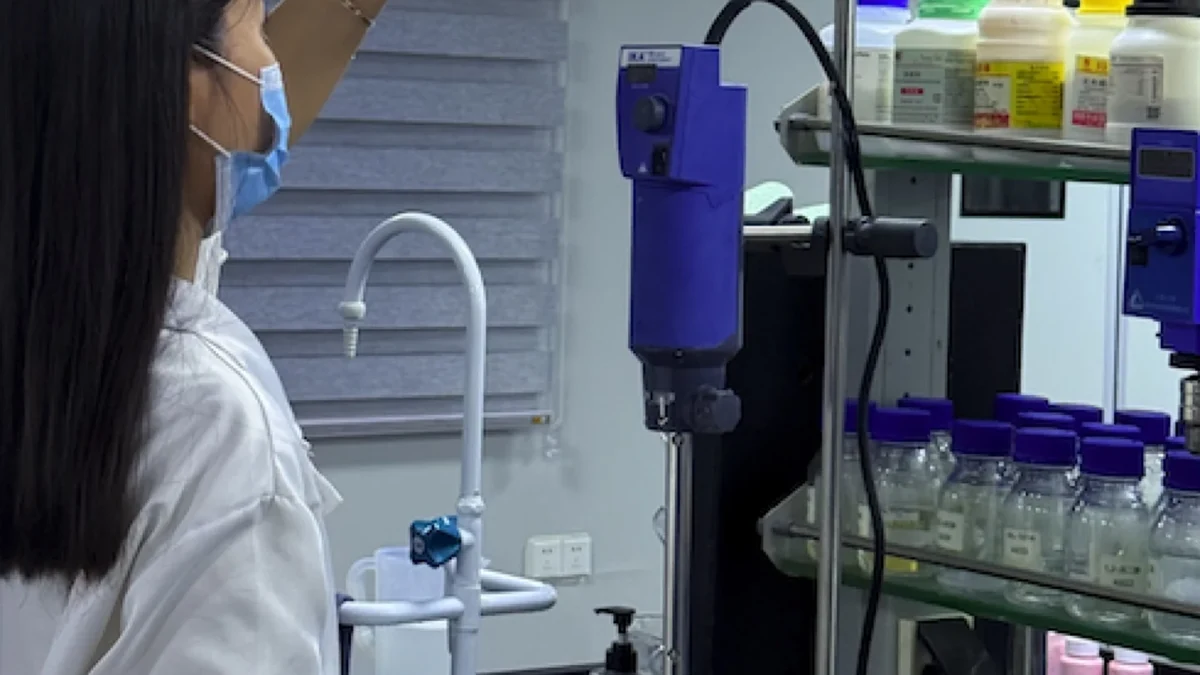
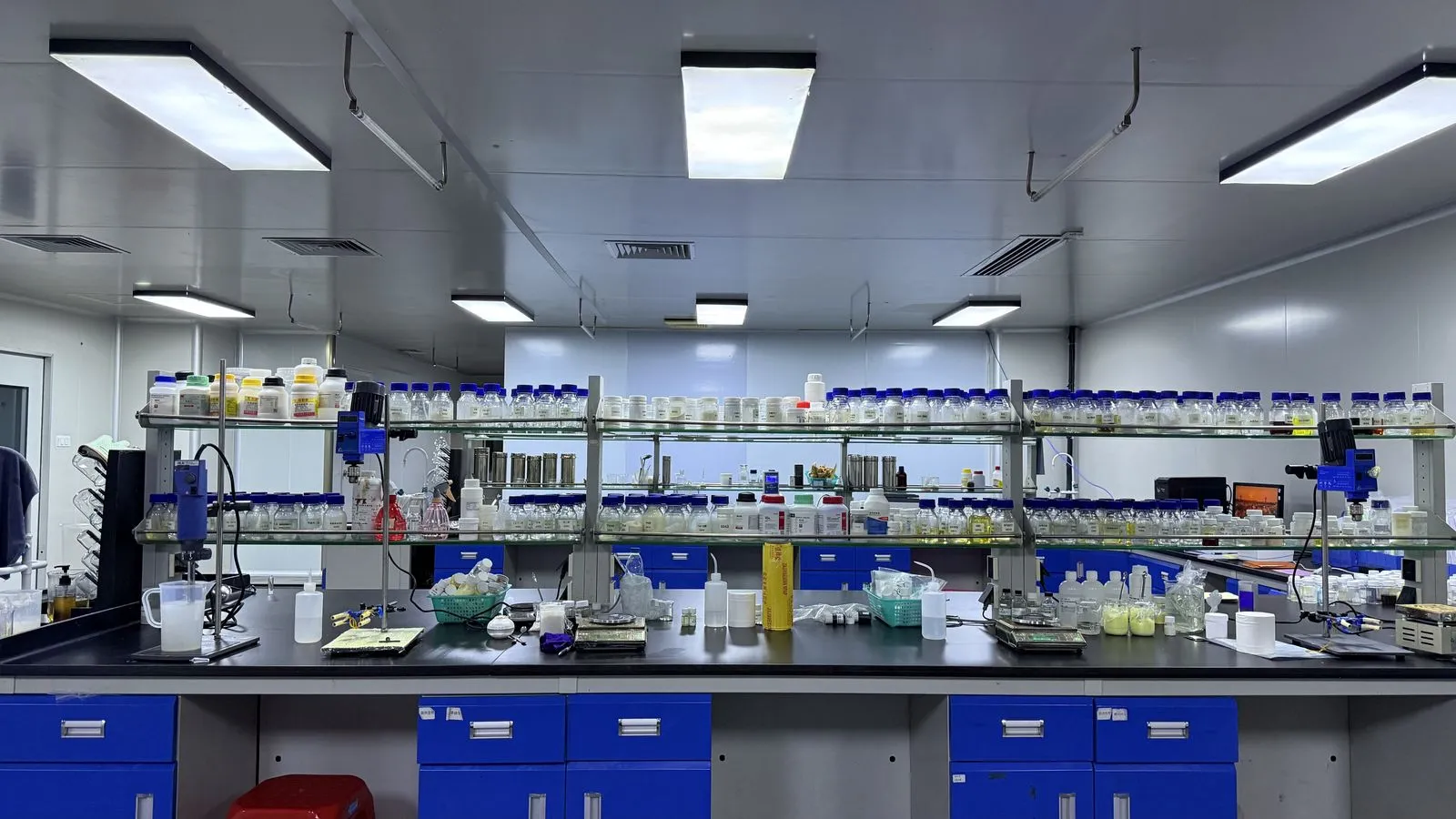
ISO 22716 & GMPC certified; SGS testing supported upon request
Need a Custom Niacinamide Brightening Anti-Spot Cream Formula?
Tell us your requirements — target actives, texture, packaging, quantity, and target market. Within 24 hours, we will reply with a quotation or the questions needed to prepare one.
Response within 24 hours · WhatsApp available · Factory visits welcome