
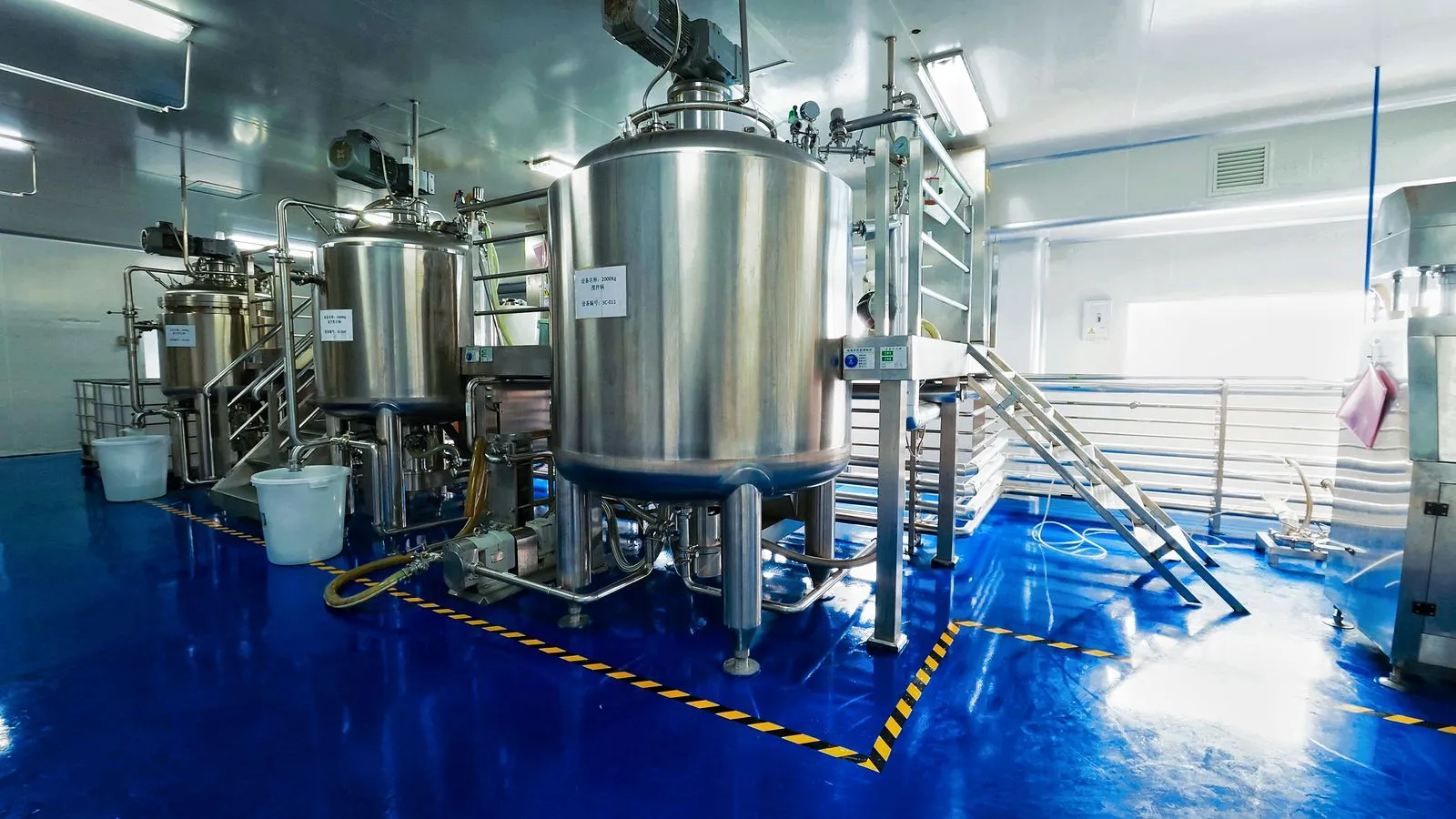
Facial Cleanser Manufacturer for Private Label and OEM Projects
Start with the cleansing system, rinse feel, target market and packaging format. The claim comes after those decisions, because a daily sensitive-skin cleanser, an oil-control cleanser and a makeup-removal format do not share the same brief or testing priorities.
Skincare Procurement Guide
Choose the cleansing system before choosing the claim
Most cleanser briefs arrive as a claim looking for a formula. It is cheaper to run it the other way round: settle the cleansing system and the after-feel you want, then decide what the pack is allowed to say in the market you are selling into.
Daily mild cleansing
Amino-acid and other mild surfactant systems are briefed around foam density, rinse speed and after-feel rather than around cleansing strength. “Mild” and “suitable for sensitive skin” are still claims: they need a formula review and a claim review for the destination market, not just a gentle-sounding ingredient list.
Oil-control cleansing
Clarify how much sebum removal the product is expected to deliver, how often it will be used, and which market it is sold into. A cosmetic cleanser can be positioned around oily and breakout-prone skin without turning into an acne-treatment promise, and that line is where most oil-control briefs need tightening.
Barrier-focused cleansing
Prioritise a restrained surfactant system, an explicit fragrance decision and a non-tight after-feel. Treatment and post-procedure positioning is a different conversation: it needs the regulatory route and the supporting evidence agreed before the claim goes near artwork.
Brightening or active-led cleansing
A rinse-off product has a short contact time, so keep the cleanser’s role realistic in the range. It works as the entry step and the repeat-purchase driver, while the leave-on serum or cream carries the main active story and the claims that need substantiating.
Formats and packaging decisions
The live cleanser formats below run in tubes, pump-foam bottles and sachet packs. Each carries its own tooling, decoration and fill implications, which is why the pack decision belongs in the brief rather than after sampling. A tube and a foam bottle holding the same formula are two different products commercially.
MOQ and lead time are confirmed per formula, fill format, component and decoration route. Review the live product cards below, then confirm the final configuration in the quotation.
Shortlist current cleanser formats
5 cleanser formats are currently listed in the product catalogue. The figures on each card are the ones published on that product page, unchanged.
Centella Soothing Cleanser
- Sizes
- 100g / 120g
- Packaging
- Tube packaging, White or light color, Flip cap / Screw cap
- MOQ
- 3,000 bottles / SKU
- Lead time
- 35–45 days
Amino Acid Hydrating Foam Cleanser
- Sizes
- 150ml Foam bottle or 100g Tube
- Packaging
- PET Foam bottle or Tube
- MOQ
- 3,000 bottles / SKU
- Lead time
- 35–45 days
Oil Control Clarifying Cleanser
- Sizes
- 100g / 120g
- Packaging
- Tube packaging, Blue/green scheme
- MOQ
- 3,000 bottles / SKU
- Lead time
- 35–45 days
Amino Acid Repair Cleansing Cream
- Sizes
- 100g
- Packaging
- Clinical-style Tube, Matte or Frosted Finish
- MOQ
- 3,000 bottles / SKU
- Lead time
- 35–45 days
Glutathione Brightening Cleanser
- Sizes
- 0.5–1g/ sachets, per box 30–40 packs
- Packaging
- Individual sachet or small bottle format
- MOQ
- 5,000–10,000 sachets / SKU
- Lead time
- 45–55 days
Looking at the wider skincare range? Start from the skincare manufacturing overview.
What to include in the cleanser brief
- Destination market and sales channel.
- Skin type, use frequency, and whether the product needs to remove makeup or sunscreen.
- Preferred format, foam level, rinse feel and fragrance direction.
- Pack type, fill volume, order range and target launch window.
- The claims that matter commercially, and the claims your brand must avoid.
Testing and market checkpoints
Preservation, stability, packaging compatibility, safety and claim work are confirmed against the final formula, pack and destination market rather than assumed from a standard list.
Which checks sit inside routine manufacturing and which testing is scoped separately.
The control path from incoming materials through finished-product release.
What each factory certificate covers, and how to verify the issuing record.
Formats, equipment and production constraints to review before line allocation.
Cleanser sourcing questions buyers ask
Which cleanser format should a first-time brand start with?
There is no single default. Work backwards from the target user, the sales channel, the pack format and the sensory result you want. A tube suits a value daily cleanser sold in volume; a pump-foam bottle sells convenience and reads more premium on shelf; a sachet suits trial, travel and sampling programmes. Decide the user and the channel first, then the format follows.
Can one cleanser formula be sold in every market?
No, and treating portability as automatic is one of the more expensive assumptions in a first launch. Permitted ingredients, permitted concentrations, claim wording, labelling requirements and the evidence you must hold all vary by destination market. The same bulk formula may be sellable in several markets, but that has to be confirmed market by market rather than assumed from the first approval.
What changes the cleanser MOQ and quotation?
How mature the formula is, the minimum order on each packaging component, the decoration route, the fill format, the testing plan, and the quantity itself. Component MOQ is the one that surprises buyers most often: a custom cap or a decorated tube can carry a higher minimum than the bulk formula does. The MOQ and lead time shown on each product page apply to that live format, and the final configuration is confirmed in the quotation.
Which tests should be discussed before production?
Stability, preservation and microbiological work, packaging compatibility, and the release specification the finished product is checked against. On top of those, market-specific or claim-specific work is scoped separately depending on where you sell and what you want to say on pack. The point of agreeing this before the order is that a test scheduled after production cannot change a formula that has already been filled.
Start a facial cleanser project
Send the cleansing system you have in mind, the destination market, the pack direction and the order range. We will come back with the development route and the decisions still open.
Pricing depends on the formula, packaging, quantity, testing and destination market.