
Cosmetic Packaging Sourcing: Factory-Supplied vs Buyer-Supplied
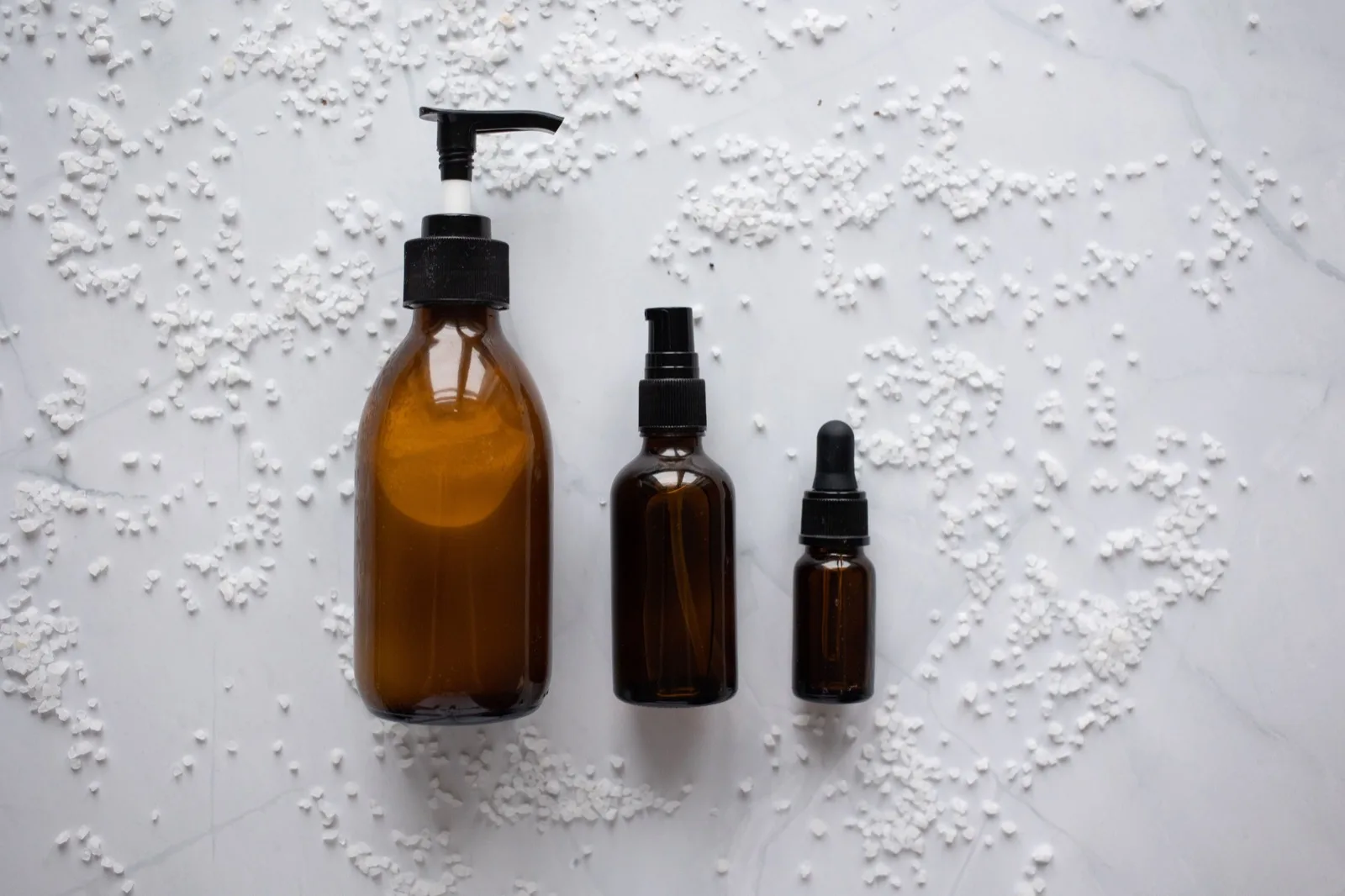
When you work with an OEM or ODM manufacturer, someone has to source the bottles, jars, pumps, and cartons. Either the factory buys them on your behalf, or your brand buys them and delivers them to the factory. Neither option is automatically cheaper or safer.
The short answer: don't decide on component unit price alone. Compare what each quote actually covers for the same specification, and agree in writing who leads each handover step before you place the order. Unclear handovers can create problems under either sourcing model.
This guide focuses on those handovers. If you are still choosing bottle formats or working through MOQ basics, start with our guide to contract cosmetic packaging.
What the two models actually mean
Factory-supplied packaging means the manufacturer sources components from its packaging suppliers, coordinates samples and decoration, and receives the goods into its own production flow. The term describes who sources the components, not who manufactures them. Ask who the component supplier is and what was approved.
Buyer-supplied packaging (sometimes called customer-supplied) means your brand selects, pays for, and ships components to the factory. For example, RainShadow Labs' packaging process offers a choice between brand-sourced components and a preferred vendor list, with samples submitted for filling and compatibility review. That example describes their process; agree your own manufacturer's scope before ordering.
Factory-supplied often suits brands that want one point of contact, are launching a first product, or are using stock components the factory already handles. Buyer-supplied often suits brands that already have a packaging supplier, use the same component across several manufacturers, or need tight control over custom decoration.
Two common assumptions are worth dropping. Buyer-supplied packaging does not automatically mean a lower MOQ, because the component supplier still sets its own minimums. And it does not automatically make the brand responsible for every outcome. Responsibility depends on what each party approved and agreed in writing.
You can review the component types we typically discuss with brands on our packaging options page.
Compare complete quotes, not unit prices
A factory-supplied quote and a buyer-supplied quote can cover a different scope. To compare them fairly, fix the specification first: the same component, capacity, material, decoration, and order quantity. Then ask each side what is included and what is not.
| Cost item | Questions to ask both sides |
|---|---|
| Components | Which parts are quoted (bottle, closure, pump, dropper, insert, carton)? Is the quantity per finished unit or per order? |
| Decoration and printing | Is printing, labeling, hot stamping, or coating included? Are plates or screens charged separately? |
| Samples | Are pre-production samples charged? How many rounds are included? |
| Evaluation | Is compatibility or filling-fit evaluation included, and what does it actually cover? |
| Freight to the factory | Who pays inbound freight, duties, and local delivery? Under which delivery terms? |
| Storage | Is storage charged before production, during production, or after? |
| Replacement parts | Who pays for and orders replacement parts if quantities fall short? |
| Non-conforming goods | Who pays for sorting, rework, return shipping, or disposal of rejected components? |
| Handling | Are receiving, unpacking, cleaning, or relabeling charged as labor? |
Once each line is marked included, excluded, or charged separately, the real difference between the two models becomes visible. A lower component price can be offset by freight, storage, or rework that sits outside the quote.
Example: two quotations for the same pump bottle
Illustrative example, not a GZ customer case or quotation.
A brand is preparing a pump-bottle body care product. Its comparison brief specifies the same fill size, bottle and pump revision, decoration, outer carton, and order quantity for both routes. In this example, quotation A includes the matched bottle and pump, decoration, and delivery to the factory. Quotation B lists only the components at the packaging supplier; evaluation, inbound delivery, and handling have not yet been priced.
The buyer cannot choose on those totals yet. First, confirm that the two pumps are genuinely the specified component, not simply similar-looking alternatives. A change in material, decoration, or component revision means the quotation needs a separate comparison rather than being treated as equivalent.
Second, use the cost table to request the missing scope. For quotation B, ask for delivery to the same receiving point and the manufacturer's charges for receiving and any agreed evaluation. For quotation A, ask whether the included scope has limits: which sample stage is covered, whether repeat evaluations are separate, and how a shortage would be handled.
Third, separate initial setup expenses from charges that recur on each order. Printing setup, sampling, and inbound freight should not be hidden inside an unexplained component figure. Ask both parties to identify the circumstances in which an extra charge could arise.
Finally, compare the completed scope alongside the handover responsibilities. There are no prices in this example, so neither quotation can be called cheaper. If a supplier cannot fill a missing line, record it as unresolved rather than assuming it is free. Choose only after you understand the comparable total, its exclusions, and who will coordinate the next step.
Already comparing packaging quotes?
Share the component details, decoration, quantity and whether you will supply the packaging, so the project scope can be discussed.
Step-by-step responsibility checklist

The table below is a suggested checklist for both parties to confirm. It is not a default contract term, and it does not assign legal liability. Use it to decide who leads each step and what gets written down.
| Step | Factory-supplied: proposed lead to confirm | Buyer-supplied: proposed lead to confirm | Confirm in writing |
|---|---|---|---|
| Specification and supplier | Factory proposes, brand approves | Brand selects | Component list, supplier name, part numbers |
| Physical samples | Factory requests from supplier | Brand ships to factory | Sample quantity, version, date received |
| Component and formula fit | Factory evaluates, brand reviews | Factory evaluates submitted samples, brand reviews | Scope of evaluation and its limits |
| Approved golden sample and artwork | Both sign off | Both sign off | Artwork version, approved sample retained by both |
| Arrival inspection | Factory | Factory, with brand informed | Inspection criteria and sampling method |
| Incoming acceptance or hold | Factory | Factory notifies brand | Who can release goods on hold |
| Trial filling | Factory | Factory, brand informed | Results shared before bulk run |
| Bulk production use | Factory | Factory | Batch records link components to finished lots |
| Surplus and reorders | Agree before order | Agree before order | Ownership, storage terms, reorder version |
For detail on what fit and compatibility checks can and cannot show, see our guide to packaging compatibility testing for pumps, droppers, and airless. For artwork versions and sign-off, see cosmetic packaging artwork approval.
Handover checklist for buyer-supplied packaging
If your brand supplies the packaging, the factory needs more than boxes on a pallet. Send this information before the goods ship:
- Component and parts list: every part per finished unit, including inserts, liners, and caps.
- Dimensions, materials, and drawings: technical drawings with tolerances, material grades, and neck finish.
- Samples and version: approved samples matching the production version, with the version or revision clearly marked.
- Shipping and carton marking: product name, part number, quantity per carton, batch or lot number, and your brand name on each outer carton.
- Batch traceability: component lot numbers so they can be linked to finished goods.
- Receiving window: agreed delivery dates and receiving hours, confirmed with the factory rather than assumed.
- Quantity and allowance: the quantity you will send, plus any extra allowance both sides agree is needed for setup and rejects. The right allowance depends on the component and the line, so agree it case by case.
- Non-conformance criteria and contact: what counts as a defect, how it will be recorded, and who on your side decides what happens next.
What can pause or delay a project
Possible triggers include components arriving short or late, parts that don't match the approved sample, damaged cartons, missing lot information, artwork errors, and fit problems found during trial filling.
Agree these points before the order:
- Who confirms release: name the person on each side who can release held goods or approve a deviation within the agreed quality requirements.
- Who coordinates replacements: ask whether the factory will coordinate its purchased components and whether the brand will coordinate buyer-supplied ones with its supplier. Write down the agreed contact and process rather than assuming the sourcing model settles it.
- How evidence is kept during a dispute: retain samples of the problem parts, photos, inspection records, and carton labels until both sides close the issue.
- Which changes need re-evaluation: a new component supplier, material, mold, coating, or formula change should trigger a fresh review before bulk use.
When a packaging hold affects the planned filling run, ask both parties to update the schedule in writing. That keeps the revised plan tied to the actual unresolved component rather than to the original delivery promise.
Example: buyer-supplied pumps do not match the approved version
Illustrative example, not a GZ customer case or test result.
A brand sends its own bottles and pumps to a manufacturer. During the agreed incoming review or trial assembly, the received pump is found to differ from the approved component revision and does not fit as expected. The next decision is how to control the affected goods, not who can agree to fill fastest.
Start by identifying and placing the affected component lot on hold. Record which cartons and quantities are involved, and check their part numbers, lot identifiers, and revision against the signed sample and specification. Keep representative parts, photographs, carton labels, and the review record. Avoid mixing the questioned parts with accepted stock while the discrepancy is investigated.
Notify the named brand and manufacturing contacts with that evidence. They should agree whether the lot will be rejected, replaced, or handled through a documented disposition that meets the agreed quality requirements. Who coordinates replacements and who pays are separate questions; the word "buyer-supplied" does not settle either one on its own.
If a distinguishable portion may be usable, do not assume the whole shipment is acceptable or unusable. A partial-release decision needs traceable identification, the applicable acceptance criteria, and approval by the authorized manufacturing quality contact. A commercial approval from the brand does not replace the required quality checks.
Before replacement parts enter bulk use, confirm their specification and complete the necessary review. Record who released the parts and which lots may be used. Reconcile the rejected, replacement, and usable quantities, then update the production plan with the receiving and filling teams. The point is to close the component mismatch with evidence and an accountable decision, not to recreate a packaging test protocol in the purchasing conversation.
Surplus packaging, storage, and reorders
Leftover components may arise when supplier MOQs exceed the finished-goods order. Settle these questions before production rather than after:
- Ownership: who owns surplus components, including those the factory bought for your project?
- Storage: where are they stored, for how long, and at what cost? Don't assume storage is free or unlimited.
- Reorders: which version and artwork will be used for the next order, and what condition must stored stock meet before reuse?
- Changes and discontinuation: if you change design, discontinue a SKU, or end the relationship, what happens to remaining stock and who pays for disposal or return shipping?
Example: artwork changes, the factory changes, or the product ends
Illustrative example, not a GZ inventory policy or customer case.
A brand has components left from an earlier order when its next project changes. Start with an inventory list showing the component, quantity, lot, approved revision, decoration status, storage location, and owner. Place the affected stock on hold for the new order while its suitability and disposition are reviewed. Then distinguish the reason for the change.
An artwork revision: unprinted components and already decorated components need separate decisions. A blank bottle may still match the approved structure, while a printed bottle or carton carries a previous label version. Check both component suitability and the applicable artwork requirements. Do not treat a decision to retain the stock as permission to use outdated text, or assume relabeling is feasible without review.
A move to another manufacturer: agree who authorizes release from storage, who arranges transport, and who receives the goods. Transfer the relevant specifications, approved versions, and lot records with the components. The incoming manufacturer still needs to confirm suitability for its agreed production route; a previous factory's approval is not automatic approval at the new site. Establish the receiving and review arrangements before shipping.
A discontinued product: ask whether the remaining stock will be returned, retained under agreed terms, or disposed of with authorization. Confirm ownership and any charges before instructing the holder. No default free-storage period or automatic disposal right is implied by this example.
Finish with a written stock decision for each component and a revised reorder list. Record which version may be purchased or used next, what must remain on hold, and who confirms closure. That gives purchasing and manufacturing the same inventory position instead of leaving the next order to rely on the previous one.
A short inquiry template for your supplier or manufacturer
Subject: Packaging sourcing scope for [product name]
Hello [name],
We are comparing factory-supplied and buyer-supplied packaging for [product name], [capacity], [component type], [decoration], [quantity]. Could you confirm:
- Which items your quote includes: components, decoration, samples, evaluation, inbound freight, storage, replacement parts, and handling of non-conforming goods.
- What information and samples you need from us before production.
- Your incoming inspection criteria and who releases goods on hold.
- How surplus components are owned, stored, and charged.
- Who our contacts are for delays, shortages, and defects.
Thank you, [your name]
When you're ready to compare scope for your own project, you can request a quote with your component details.
Frequently Asked Questions
Is buyer-supplied packaging cheaper?
Sometimes, but not by default. Freight, storage, rework, and replacement costs can shift the total. Compare complete quotes for the same specification.
Does supplying our own packaging mean we carry all the risk?
Not automatically. Each step has a lead and an approval. Agree in writing who is responsible for what before ordering.
Can we switch models between orders?
A change may be possible, subject to agreement with the manufacturer. Confirm the new supplier, samples, and evaluation before bulk use.
What should we keep after approval?
Both sides should keep the approved sample, artwork version, and component specification so later batches can be checked against them.
Ready to Start Your Project?
Tell us your product requirements. Within 24 hours, our technical team will reply with a quotation or the questions needed to prepare one.