
Cosmetic Manufacturing Process: From Formula to Batch Release
Quick answer
The cosmetic manufacturing process for a brand's order runs through nine controlled steps: formula approval, pilot batch, raw material release, weighing, mixing and homogenization, bulk hold, filling and packing, finished-product testing, and batch release. Each step needs an input that has been approved, leaves a record behind, and has a gate that decides whether the batch moves on. The pilot step applies to a new formula, a transfer or a significant change; a repeat batch of an approved, unchanged product starts at raw material release.
- Before the first production batch: a locked formula version and specification, and a pilot or scale-up confirmation on representative equipment or at representative scale. Repeat batches run under the approved, still-valid process unless something has changed
- During production: only released materials, weighing checked against the formula, process values recorded as numbers, in-process checks at defined points
- After production: finished-product results against the specification, a reviewed batch record and a named person's release decision
- What a buyer should ask for: the batch record structure, the release record, the specification and a batch COA, not only a certificate
- Scope: how one OEM order goes from approved formula to released batch. Not equipment selection, not a factory tour, not a quality system overview
Most buyers see the manufacture of cosmetics at two moments: sample approval and delivery. Everything in between is where most quality problems start. A cream that separates at month three or a serum thinner than the approved sample usually traces back to a middle step that was not controlled or not recorded. This guide is for brand owners and sourcing managers who want to know what to ask for at each of those steps, not for engineers choosing equipment.
Some ground is covered elsewhere. How we organise our four quality checkpoints is on our quality control process page. Site scale, lines and formats are on factory capabilities. How to grade a factory you are visiting is in the cosmetic factory audit checklist. Reading a stability report is covered in cosmetic stability testing. This article follows a single order through the plant.
What the Rules Actually Require
Supplier presentations often blur law, standard and good practice. They are worth separating.
- EU law. Article 8 of Regulation (EC) No 1223/2009 says the manufacture of cosmetic products "shall comply with good manufacturing practice", and that compliance is presumed where manufacture follows the relevant harmonised standards published in the Official Journal. The Commission's 2011 communication lists EN ISO 22716:2007 as that harmonised standard. Article 11 then requires the product information file to contain "a description of the method of manufacturing and a statement on compliance with good manufacturing practice". For an EU product, a description of the process therefore ends up in the responsible person's file.
- US position. The FDA's MoCRA page says the law requires FDA to establish GMP regulations for cosmetic facilities. As of 5 October 2026, we found no proposed or final cosmetic GMP rule from FDA in the Federal Register. What exists today is a draft guidance on cosmetic GMP, which FDA states is non-binding and was written with ISO 22716 in view, and FDA's older GMP guidelines and inspection checklist. The FD&C Act still prohibits adulterated cosmetics, including products made or held under insanitary conditions.
- ISO 22716. ISO's own summary of ISO 22716:2007 says it gives guidelines for the production, control, storage and shipment of cosmetic products, and that it does not apply to research and development or to distribution of finished products. We have not reproduced the standard's paid text here. The step descriptions below are our own practice and FDA's published checklist, not quotations from ISO 22716.
Two consequences follow. Development work sits outside ISO 22716's scope, so a GMP certificate says little about how well a formula was scaled up. And the evidence that matters for your product is batch-level: the records of the batch you are buying. Our certifications page explains what our ISO 22716 and GMPC certificates cover and how to verify them.
The Process at a Glance
Each row is expanded below.
| Step | Approved input | Record it leaves | Gate to move on |
|---|---|---|---|
| 1. Formula approval | Approved sample, target markets, claims | Formula version, specification | Brand and manufacturer approve the same controlled version |
| 2. Pilot batch (new formula, transfer or significant change) | Locked formula, draft process instructions | Pilot record, observations, results | Pilot matches the approved sample and specification; process approved for routine batches |
| 3. Raw material release | Approved supplier and grade | Receiving record, supplier COA, QC result | Lot status changed to released by QC |
| 4. Weighing | Released lots, batch order | Target and actual weights, lot numbers, two signatures | Weights verified against the formula |
| 5. Mixing and homogenization | Weighed materials, process instructions | Process values, times, additions | In-process results within limits |
| 6. Bulk hold | Bulk that passed in-process checks | Container identity, date, status | Bulk approved for filling within its hold limit |
| 7. Filling and packing | Approved bulk, released components, approved artwork | Line clearance, fill checks, coding checks, reconciliation | Finished units match the specification and the count |
| 8. Finished-product testing | Samples from the filled batch | Results against the specification, COA | All required results within limits |
| 9. Batch release | Complete batch record and results | Signed release record, retained samples | Named QC role releases the batch |
The table has no numbers on purpose. There is no universal mixing temperature, speed, time or hold limit for cosmetics; a gel, a hot-process emulsion and an anhydrous balm are made very differently, and the values come from the product's own pilot data.
Step 1: Formula Approval Turns a Sample Into a Specification
An approved sample is a sensory decision. Formula approval turns it into something a plant can reproduce. The package should contain:
- A formula version number with the full composition, including each raw material's supplier and grade where the grade matters to the result.
- A finished-product specification with the parameters that will be checked on every batch and their limits, typically appearance, colour, odour, pH and viscosity where relevant, plus microbiological limits.
- The intended packaging, because a formula approved in a glass jar is not automatically approved in a pump. Our guide to packaging compatibility testing covers that question.
- The target markets and claims, which decide which ingredients and which supporting evidence are needed.
Gate: the brand and the manufacturer approve the same controlled version. If the formula changes after this point, even a preservative grade or a fragrance supplier, it becomes a new version with its own approval. The ODM route produces this package from a brief; on the OEM route the brand brings the formula and the manufacturer converts it into its own controlled documents.
Step 2: The Pilot Batch Tests the Process, Not the Formula
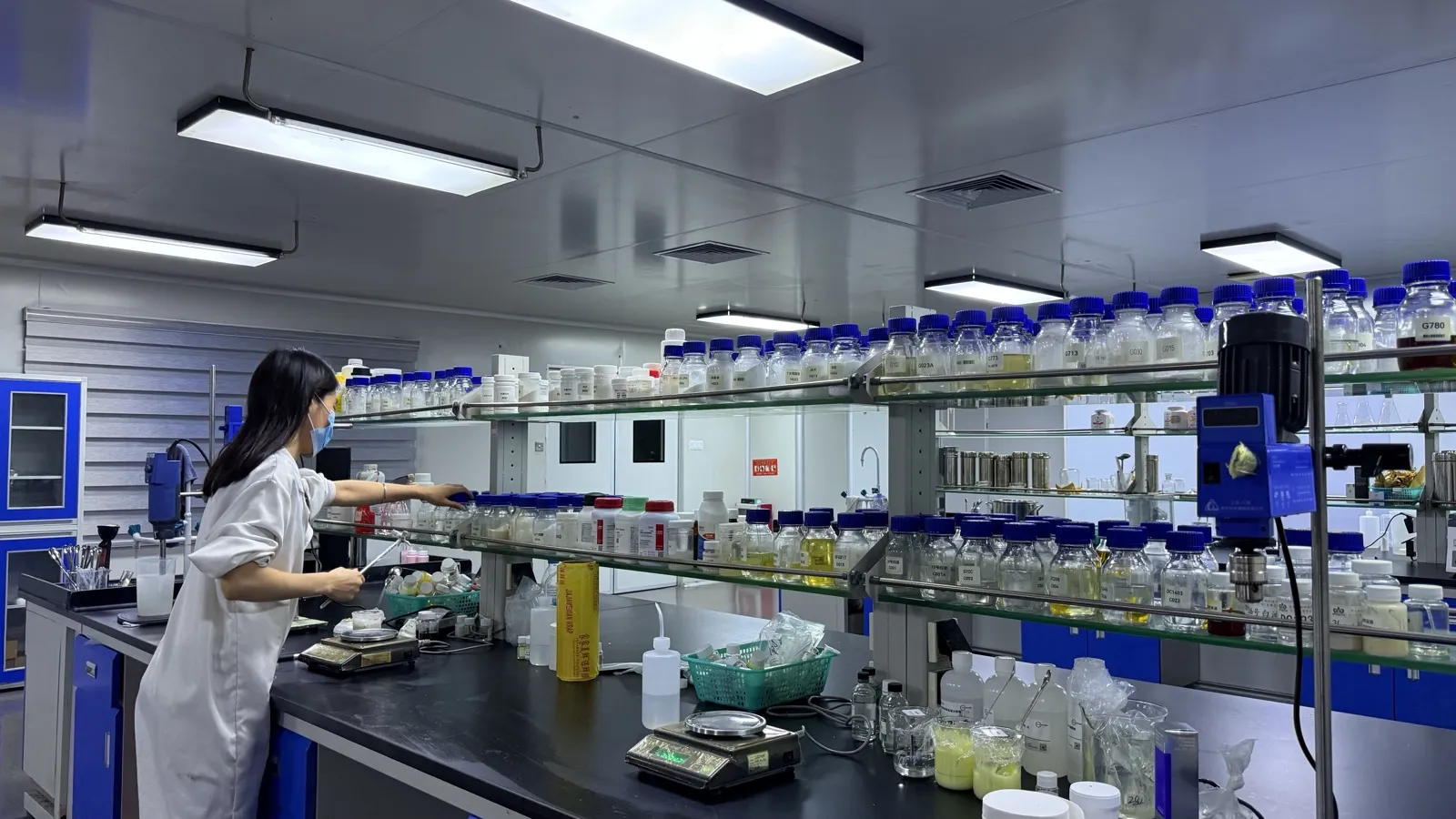
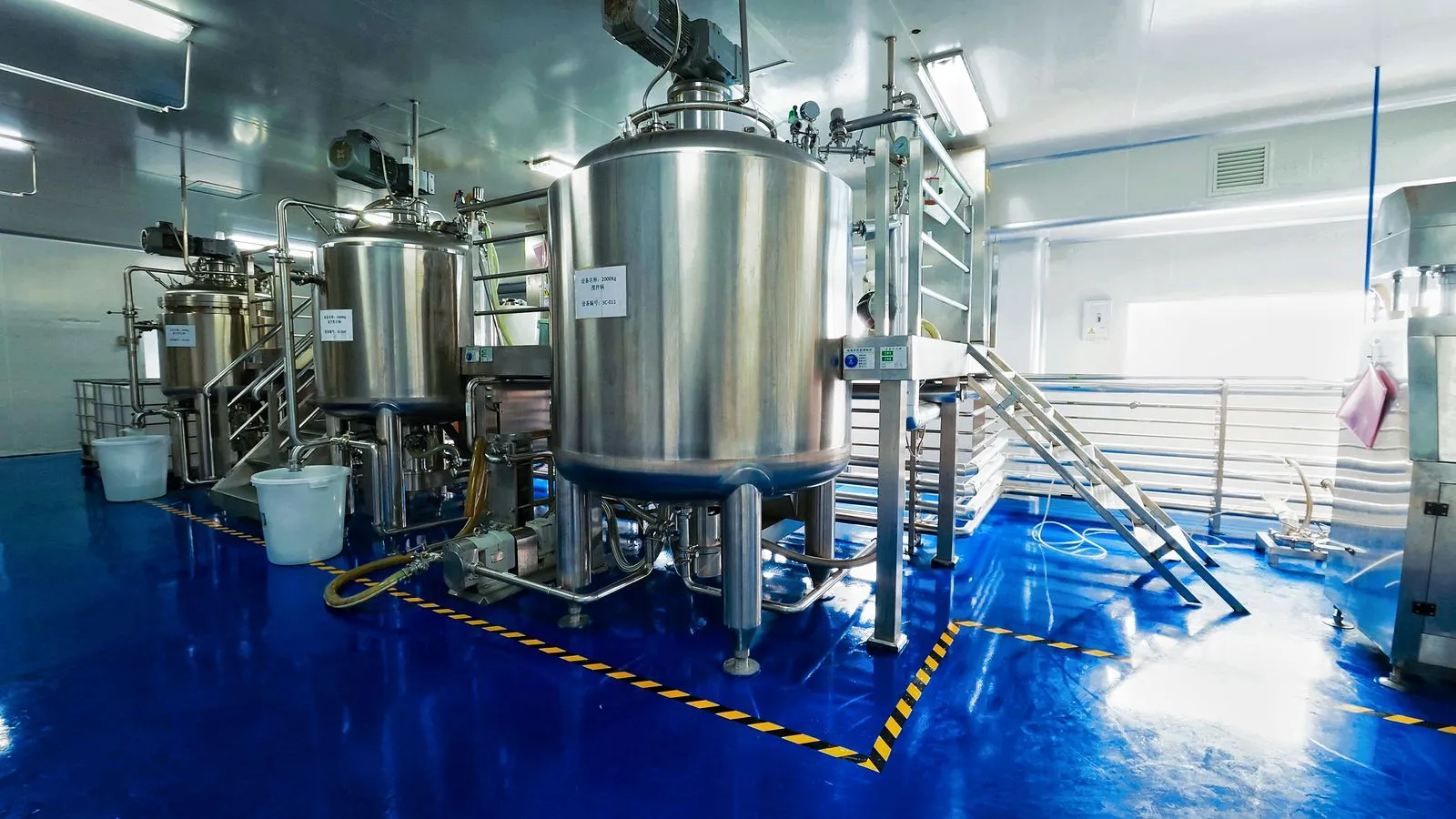
The pilot batch asks whether the production process gives the same product as the laboratory. Heat transfer, shear and mixing time change with vessel size and geometry, so an emulsion made with a lab mixer can behave differently in a production vessel with a different homogenizer, even with an identical formula.
A useful pilot batch has:
- Draft process instructions written before the run: order of addition, phases, the process values to be controlled and the points where in-process checks are taken.
- Recorded values, not ticks. Temperatures, times and speeds are written as numbers so the production instruction can be based on them.
- A comparison with the approved sample on the specification parameters and on sensory properties.
- Material for stability work where the stability programme calls for representative material. Our stability testing guide explains why a bench batch and a pilot batch are not interchangeable evidence.
Gate: the pilot matches the approved sample and the specification, and the process instructions are finalised from what the pilot showed. If it does not match, the investigation goes into the process first, not into adjusting the specification to fit the result. Pilot scale and the number of pilot runs depend on the product and are agreed per project; there is no fixed rule for either.
When a pilot is needed, and when it is not. A pilot or scale-up confirmation is needed before the first production batch of a new formula, when production moves to another site or manufacturer, and when a change could affect the result: a formula change, a raw material supplier or grade change, a process or equipment change, a new batch size outside the approved range, or new packaging. A repeat order of an approved product does not need a new pilot. It goes straight into routine production under the approved process instructions, provided nothing has changed and the process approval is still valid. The decision belongs in change control, so it is made on the record and not by habit.
Step 3: Raw Material Release Comes Before Anything Is Weighed
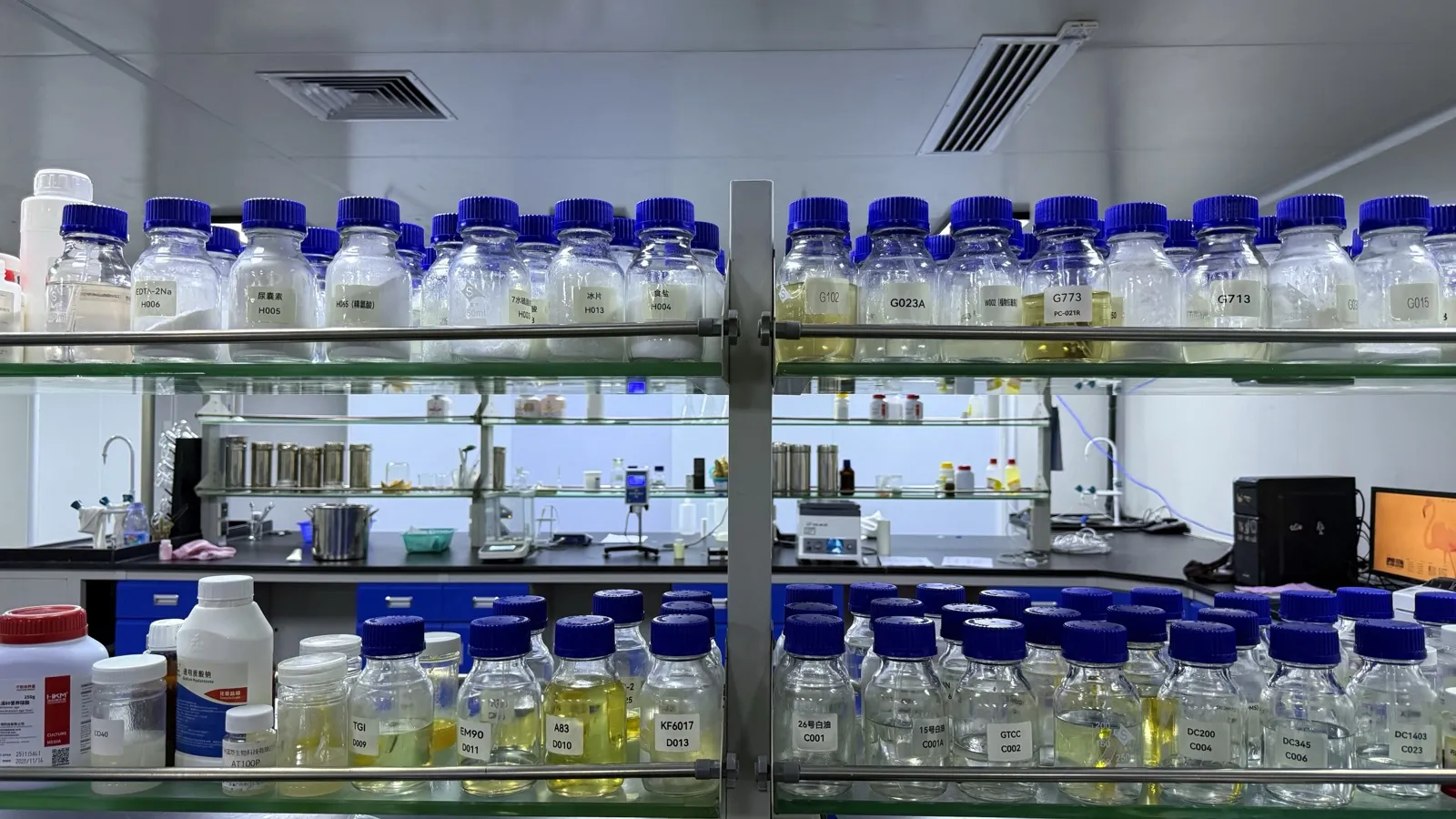
Every raw material and every primary packaging component arrives in quarantine. It becomes usable only when quality control changes its status to released. FDA's GMP checklist describes the same control: containers labelled with identity, lot and control status, materials sampled and tested or examined, and materials that fail kept identified and controlled so they cannot be used.
What release involves for a raw material lot:
- Identity: the material, supplier and grade match the approved formula. A cheaper equivalent from another supplier is a formula change, not a purchasing decision.
- Documents: the supplier's certificate of analysis for that lot is on file and reviewed.
- Checks: the tests or examinations set for that material are done. Water used as an ingredient is monitored on its own schedule.
- Status: the lot is labelled released, and the stock record agrees with the label.
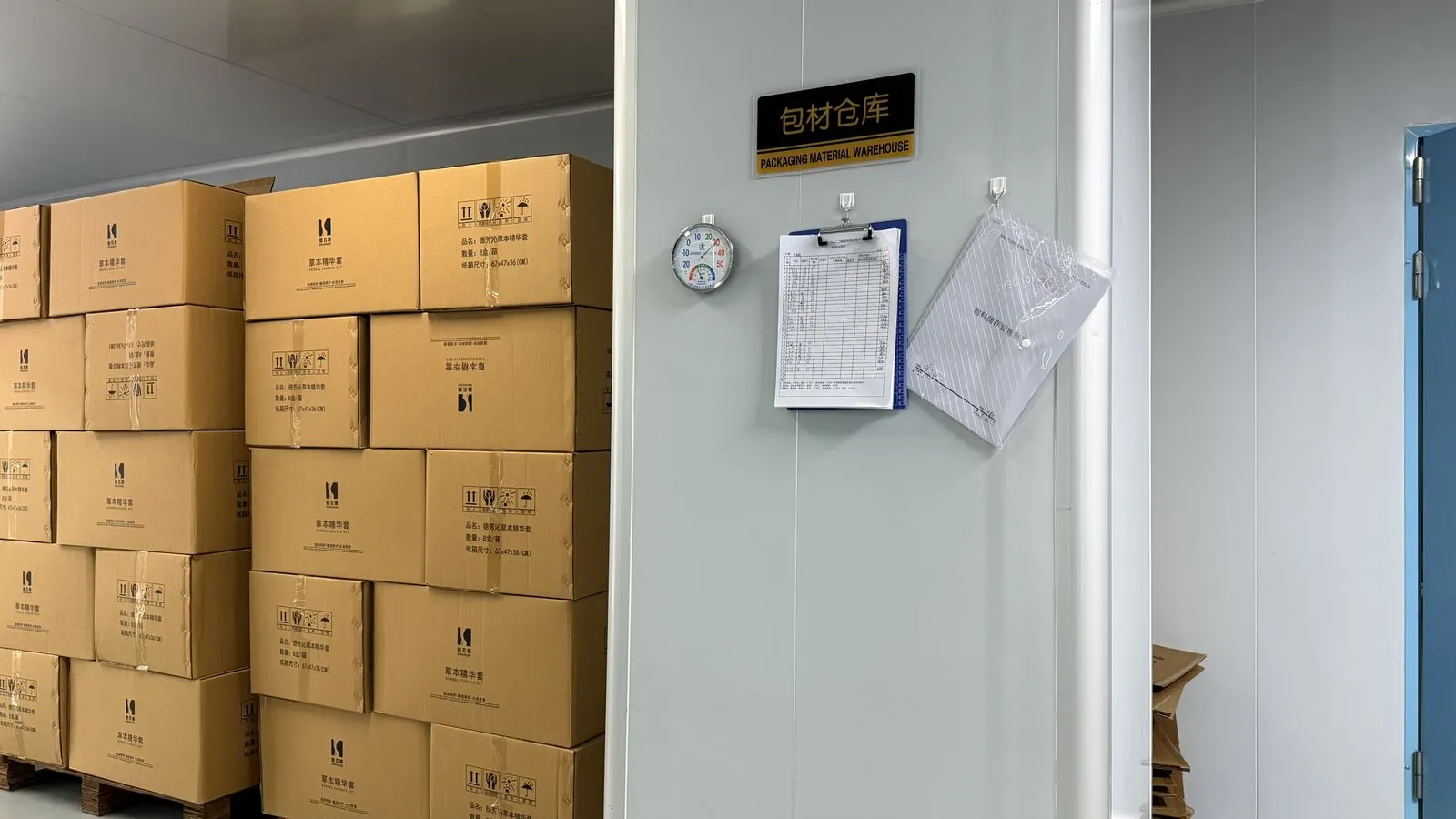
Packaging follows the same rule: components and printed cartons are checked against the approved specification and artwork before reaching the line. Artwork errors are cheapest to catch before printing; see our artwork approval checklist.
Gate: every lot on the batch order is released. Production does not start with a material still awaiting its result. At GZ this is our incoming quality control (IQC) checkpoint.
Step 4: Weighing Is Where Formula Errors Enter
Weighing turns percentages into kilograms of specific lots. A wrong drum, a decimal error or a missed ingredient enters the batch here. FDA's checklist names the control: weighing is checked by a second person, and containers of weighed materials are identified. For each line, the batch record should show:
- The material code and the lot number actually used
- The target weight calculated from the formula and the batch size
- The actual weight dispensed
- The signature of the person who weighed and the person who checked
Balances should suit the quantity weighed and be checked on a schedule; a small-quantity preservative weighed on a bulk balance can be off by a meaningful percentage.
Gate: all materials weighed, checked and identified for this batch before processing begins.
Step 5: Mixing and Homogenization Follow the Instruction, Not the Operator
This is the step most people picture in the cosmetic manufacturing process. The sequence depends on the product: an emulsion may combine separately prepared phases under shear, a gel may hydrate a polymer before neutralisation, heat-sensitive materials may go in during cooling, and a cold-process product skips heating. The control should be the same for every product:
- The vessel and equipment are clean and labelled with the product and batch before use, and the cleaning record for that vessel is dated before this batch.
- The process instruction from the pilot is followed: order of addition, phase temperatures, homogenization and mixing steps, cooling.
- Actual values are recorded at the points the instruction sets, so a later problem can be traced to what really happened.
- In-process control samples are taken at defined points and checked against in-process limits, for example appearance, pH or viscosity before the batch is discharged.
- Any adjustment is recorded and authorised. If the pH needs correcting, the record shows what was added, how much and who approved it. An adjustment that is not in the record is a hidden deviation.
At GZ these checks form our in-process quality control (IPQC) checkpoint. A result outside the in-process limit stops the batch for review against the approved process and specification before it moves on.
Gate: in-process results are within limits, or a deviation has been raised, investigated and given an authorised decision.
Step 6: Bulk Hold Is a Controlled Status, Not Storage
Bulk usually waits between processing and filling, longer when the line, components or results are not ready. The wait needs its own controls.
- Identified containers: each container shows product, batch, date and status.
- Closed and protected: the bulk is protected from contamination and from conditions that could change it.
- A hold limit: the maximum time bulk may wait before filling, set from the product's data. There is no general figure; a preserved water-based product and an anhydrous product carry very different risks.
- A status: bulk is approved for filling, not simply "in the tank".
Gate: bulk is approved for filling and is still within its hold limit when filling starts. Bulk that exceeds the limit is reviewed before use, not filled by default.
Step 7: Filling and Packing Bring in a Second Set of Risks
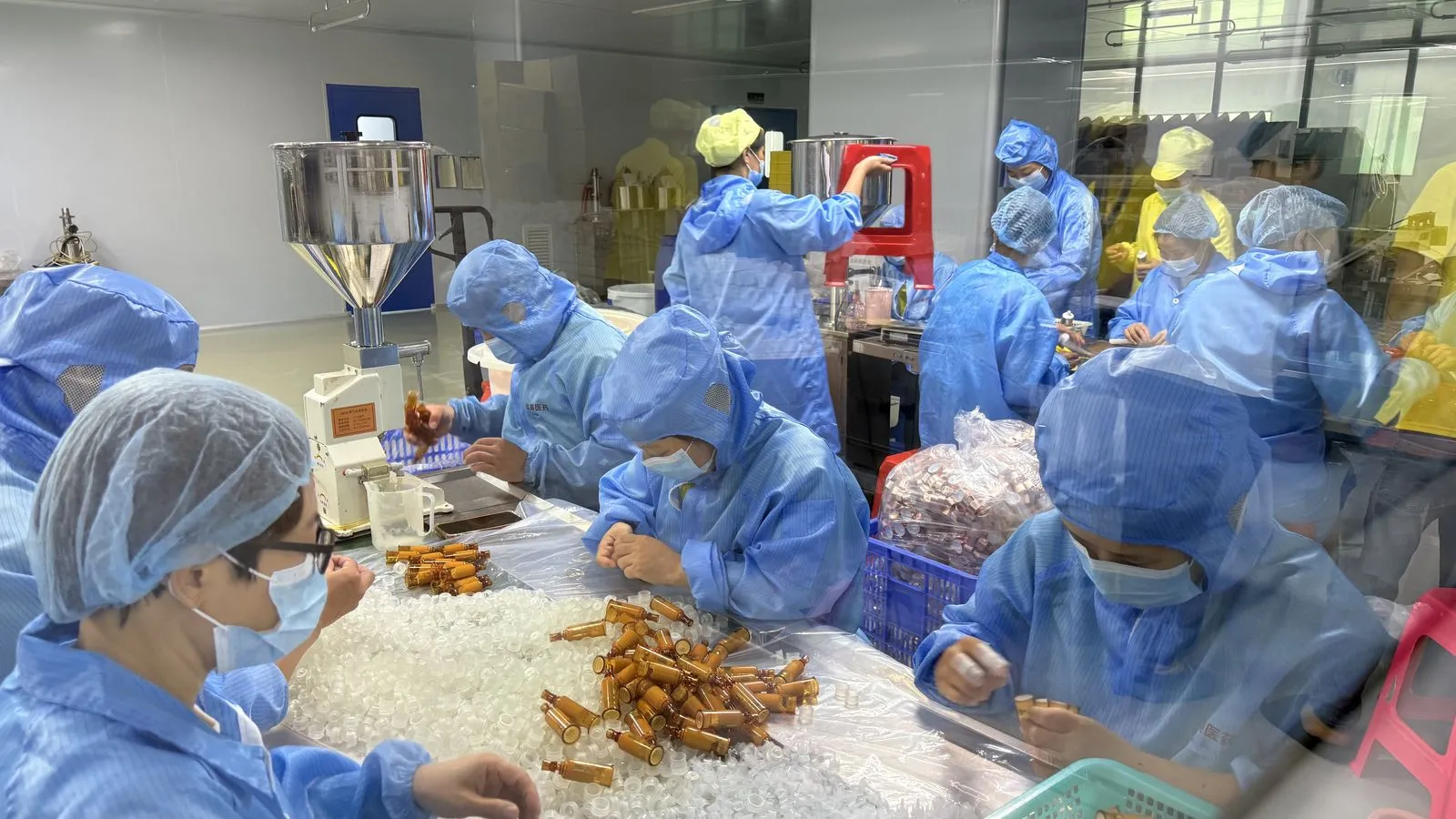
The bulk can be right and the batch still fail here, through a carton left from the previous job, a leaking closure or an unreadable code. The filling record should cover:
- Line clearance: before the run, the line is checked to be clear of the previous product's bulk, components and printed materials, and the check is signed.
- Component and label identity: the components and printed materials on the line are the released lots for this order, and labels are checked for identity before use.
- Fill checks at intervals: fill weight or volume, closure and seal, and dispenser function where it is part of the specification.
- Coding checks: batch code and any date are present, correct and legible. FDA's checklist calls for finished packages to bear permanent code marks.
- Reconciliation: bulk used, units filled, rejects and printed materials issued, used and returned are accounted for at the end of the run.
Format decides much of what can go wrong here. A tube, a pump bottle and a sachet run on different equipment with different checks, which is why line fit is confirmed against physical components and not drawings. Our factory capabilities page sets out how formats and lines are matched.
Gate: the in-process filling checks are within limits and the reconciliation balances, or the difference is investigated.
Step 8: Finished-Product Testing Checks the Batch Against Its Specification
Samples of the filled batch are tested against the finished-product specification from Step 1. At GZ this is our finished-product quality control (FQC) checkpoint, covering the applicable appearance, pH, viscosity and microbiological requirements, and packaging and dispenser function where they are part of the agreed specification.
Three points are often missed:
- The specification defines the test list. If a parameter is not in the specification, it will not be on the COA. Agree the parameters before the first order, not after the first complaint.
- Batch testing is not product evidence. A batch COA shows this batch met its specification. It does not replace stability, preservative efficacy, compatibility or safety evidence, which belong to the product file. Our guide to choosing a cosmetic testing laboratory covers externally commissioned work, and our quality and testing page shows redacted examples of a test report and a batch COA side by side.
- Microbiological results take time. Where the specification includes microbiology, release waits for that result, so the waiting time belongs inside the production schedule.
Gate: every result required by the specification is within its limit.
Step 9: Batch Release Is a Signed Decision
Batch release should be a decision by a named quality role independent of production, made on a complete file:
- The batch record for processing and filling is complete, with no blank fields or unsigned entries.
- All in-process and finished-product results are within limits.
- Every deviation has been investigated and closed with an authorised decision.
- Reconciliation balances or differences are explained.
- Retained samples of the batch have been taken and labelled.
Only then does status change to released. Pre-shipment inspection, our outgoing quality control (OQC) checkpoint, then confirms that only released goods, in the right quantity and condition, leave the site. Commercial urgency does not replace any part of this.
Gate: the release record is signed. Goods without one are not shipped.
The Batch Record: What a Complete One Contains
FDA's checklist lists what batch manufacturing records should document: the kinds, lots and quantities of materials used; processing, handling, transferring, holding and filling; sampling, controlling, adjusting and reworking; and the code marks of batches and finished products. A complete record lets someone who was not there reconstruct the batch, and makes traceability work both ways: from a batch code back to every lot used, and from a raw material lot forward to every batch that used it. Our factory audit checklist shows how to test this on a batch you pick yourself.
Use this as a sign-off sheet when agreeing what the batch file contains.
| Batch file element | Included (Y/N) | Copy supplied to brand? | Agreed by / date |
|---|---|---|---|
| Formula version and specification reference | |||
| Raw material and component lot list | |||
| Weighing record with second-person check | |||
| Processing record with recorded values | |||
| In-process control results | |||
| Filling record, line clearance and reconciliation | |||
| Batch COA against the specification | |||
| Deviations and their decisions | |||
| Signed release record |
Not every element leaves the factory. Full batch records can contain other parties' confidential information and are often reviewed on site or redacted. What matters is knowing which elements exist, which you receive routinely and which you can review on request.
Where Orders Usually Get Stuck
Delays between sample approval and shipment rarely come from the mixing. They come from unprepared gates:
- The formula was never locked. A fragrance tweak or new claim after approval reopens Step 1 and can send the product back to pilot.
- The pilot showed a process difference. Texture at scale differs from the bench sample and the instruction must be revised.
- A material or component is not released. A lot is waiting for its result or arrived out of specification.
- Components do not run on the line. A pump that looked right in a drawing does not fill or close reliably.
- Artwork changed late. New printed components must be ordered, received and released again.
- Release waits for a result. Microbiology is outstanding or a deviation is still open.
Most of these are decided before production starts, which is why our OEM process puts sample approval, final specification and order confirmation ahead of the production schedule. Our OEM page gives a typical production lead time of 35 to 60 days after approvals, longer for dosage forms such as sunscreens and freeze-dried sets because of testing and processing. The real figure for your order depends on formula, components, testing and volume, and is confirmed per project.
Evidence to Ask Your Manufacturer For
A certificate shows a system was audited. These documents show your product's process is controlled:
| Ask for | What it shows | Warning sign |
|---|---|---|
| Your approved formula version and specification | What every batch will be checked against | No version number, or no limits on the specification |
| Pilot batch record and results | That the production process reproduces the sample | "We go straight to production" for a new formula |
| A blank or redacted batch record template | Whether weights, lots and process values are recorded | Tick boxes where numbers should be |
| A sample batch COA | Which parameters are tested on every batch | Results with no limits, or "pass" with no values |
| The release procedure and release role | Who decides a batch can ship | Release by production or sales |
| Change control procedure | That supplier, grade or process changes reach you first | "We can substitute equivalent materials" |
| GMP certificate with scope | That the site making your product is within the certified scope | Certificate names another entity or address |
For an EU product, also agree how the manufacturer will support the "description of the method of manufacturing" and the GMP statement your responsible person needs for the product information file under Article 11. That is a document deliverable and belongs in the supply agreement.
Map your product through the process before you order
Send your formula or approved sample, packaging and target markets. We will tell you what the pilot needs to confirm, which specification parameters we propose for every batch, and which batch documents you will receive at release.
Request a Process Review →Frequently Asked Questions
What are the main steps in the cosmetic manufacturing process?
Formula approval, pilot batch, raw material release, weighing, mixing and homogenization, bulk hold, filling and packing, finished-product testing and batch release. Each has an approved input, a record and a gate. The pilot applies to a new formula, a transfer or a significant change; an unchanged repeat batch starts at raw material release. Processing conditions come from the product's own pilot data, not a universal recipe.
What is the difference between a pilot batch and a production batch?
A pilot batch tests whether the production process reproduces the approved sample and is used to finalise the process instructions. It is needed for a new formula, a transfer to another site, or a significant formula, material, process, equipment or packaging change. A production batch is made under the approved instructions from released materials and must pass testing and batch release before shipment. Repeat production batches of an unchanged product do not need a new pilot while the process approval remains valid.
What is batch release in cosmetics?
The documented decision, by a named quality role independent of production, that a batch meets its specification and its record is complete, with deviations closed. Goods should not ship without it.
What does a cosmetic batch record contain?
Materials, lots and quantities used; checked weighing; processing, holding and filling; sampling, in-process checks, adjustments and rework; and the batch code on finished units. It should let the batch be traced back to every lot and forward to where it shipped.
Is GMP legally required for manufacturing cosmetics?
In the EU, yes. Article 8 of Regulation (EC) No 1223/2009 requires the manufacture of cosmetic products to comply with good manufacturing practice, and compliance is presumed when manufacture follows EN ISO 22716. In the US, MoCRA requires FDA to issue cosmetic GMP regulations, but as of 5 October 2026 we found no proposed or final rule in the Federal Register; FDA's current GMP documents are non-binding guidance. Other markets set their own rules.
Does an ISO 22716 certificate prove my product was made correctly?
No. It shows the site's quality system was audited within a stated scope. Whether your batch was made correctly is shown by its batch record, results and release record.
Next Step
If you are comparing manufacturers, ask each to walk your product through these nine steps and show the record each step leaves. Our OEM service covers production of your own formula, our ODM service covers development from a brief, and you can request a quote with your product details to start.
Ready to Start Your Project?
Tell us your product requirements. Within 24 hours, our technical team will reply with a quotation or the questions needed to prepare one.