
Whitening & Brightening Cosmetics OEM Manufacturer
If you are searching for a reliable whitening products manufacturer or a trusted skin brightening OEM partner, you already know that this category is one of the most complex in the beauty industry. Whitening and brightening skincare consistently ranks as the number-one skincare concern across Southeast Asia, yet the regulatory landscape, ingredient restrictions, and formulation challenges make it far more demanding than launching a standard moisturizer or cleanser. This comprehensive guide walks you through everything you need to know - from market opportunity and country-specific regulations to proven active ingredients, advanced delivery technology, and how a full-service OEM partner turns your concept into a compliant, market-ready product.
Why Whitening & Brightening Remains Southeast Asia's Top Skincare Demand
Across Indonesia, Thailand, Malaysia, Vietnam, and the Philippines, achieving an even skin tone and radiant complexion is consistently the primary skincare goal for consumers. This is not about changing natural skin color - it is about addressing hyperpigmentation, sun damage, post-acne marks, and dullness caused by tropical UV exposure and pollution.
Market Size and Growth
The Asia-Pacific skin brightening market was valued at over USD 7.5 billion in 2023 and is projected to grow at a CAGR exceeding 6% through 2030. Southeast Asia alone accounts for a rapidly expanding share, driven by:
- A young, digitally connected consumer base (median age under 30 in most ASEAN markets)
- Rising disposable income and premiumization trends
- Social commerce explosion on TikTok Shop, Shopee, and Lazada
- Growing demand for "clean beauty" and clinically proven formulations
For brand founders, distributors, and private-label buyers, this represents a massive opportunity - but only if your products meet local regulations and deliver visible results safely.
Country-by-Country Whitening Regulations in Southeast Asia
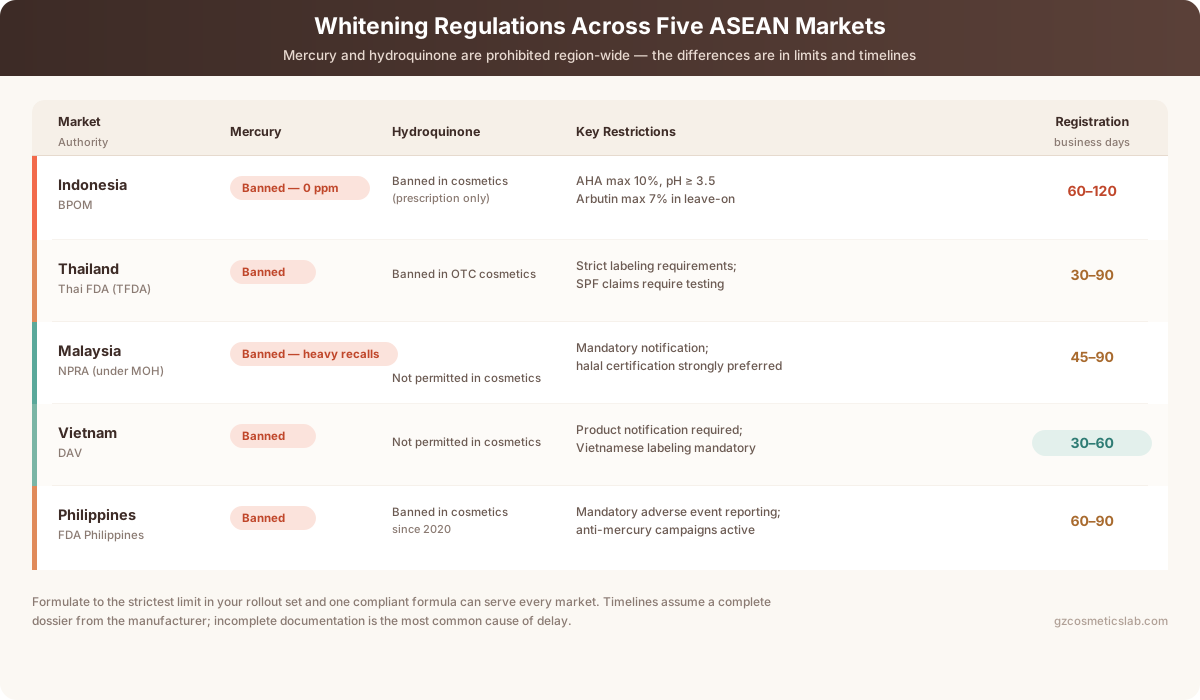
Chart by GZ Cosmetics Lab · Free to reuse with a link back to this page.
One of the biggest challenges for any whitening cosmetics OEM project is navigating the patchwork of regulations across ASEAN markets. While the ASEAN Cosmetic Directive provides a harmonized framework, each country's national authority enforces additional requirements.
Understanding these rules before formulation begins saves months of delays and potential product recalls. Here is a detailed comparison:
Regulatory Comparison Table
| Country | Regulatory Authority | Mercury Status | Hydroquinone Status | Key Restrictions | Registration Timeline |
|---|---|---|---|---|---|
| Indonesia | BPOM | Completely banned (0 ppm tolerance) | Banned in cosmetics (prescription only) | AHA max 10%, pH ≥3.5; Arbutin max 7% in leave-on | 60-120 business days |
| Thailand | Thai FDA (TFDA) | Banned | Banned in OTC cosmetics | Strict labeling requirements; SPF claims require testing | 30-90 business days |
| Malaysia | NPRA (under MOH) | Banned; heavy enforcement & recalls | Not permitted in cosmetics | Mandatory notification; halal certification strongly preferred | 45-90 business days |
| Vietnam | DAV (Drug Administration of Vietnam) | Banned | Not permitted in cosmetics | Product notification required; Vietnamese labeling mandatory | 30-60 business days |
| Philippines | FDA Philippines | Banned | Banned in cosmetics since 2020 | Mandatory adverse event reporting; anti-mercury campaigns active | 60-90 business days |
Indonesia (BPOM)
Indonesia's BPOM is one of the strictest regulators in the region. Key points for a brightening skincare manufacturer:
- Zero tolerance for mercury - even trace contamination triggers product seizure
- Hydroquinone is classified as a drug, not a cosmetic ingredient
- Alpha-arbutin is permitted up to 7% in leave-on products and 10% in rinse-off
- AHA (glycolic acid, lactic acid) limited to 10% with pH not below 3.5
- All imported cosmetics require a local distributor and BPOM registration number
- Check the applicable BPJPH halal route and recognition scope before the Indonesia launch
Thailand (TFDA)
The Thai FDA maintains a controlled substances list specific to cosmetics:
- Mercury and hydroquinone are prohibited
- Niacinamide, tranexamic acid, and vitamin C derivatives are permitted with proper documentation
- Products making "whitening" claims may face additional scrutiny; "brightening" and "radiance" are safer positioning terms
- All products sold in Thailand must display Thai-language labels
- SPF/PA claims require in-vivo testing data
Malaysia (NPRA)
Malaysia's National Pharmaceutical Regulatory Agency takes a particularly active enforcement approach:
- Regular market surveillance and product recalls for mercury-containing items
- Mandatory cosmetic notification through the QUEST system
- While not legally required, halal certification (JAKIM) is a strong market differentiator
- Advertising claims must be substantiated; "guarantee whitening" language is problematic
- GMP certification (ISO 22716) is required for manufacturers
Vietnam (DAV)
Vietnam's regulatory framework has modernized rapidly:
- Product notification (not registration) system - faster but still requires full documentation
- All labeling must include Vietnamese text
- Ingredient lists must follow INCI nomenclature
- Safety assessment reports are required
- Free-sale certificates from the manufacturing country facilitate the process
Safe and Effective Whitening Active Ingredients
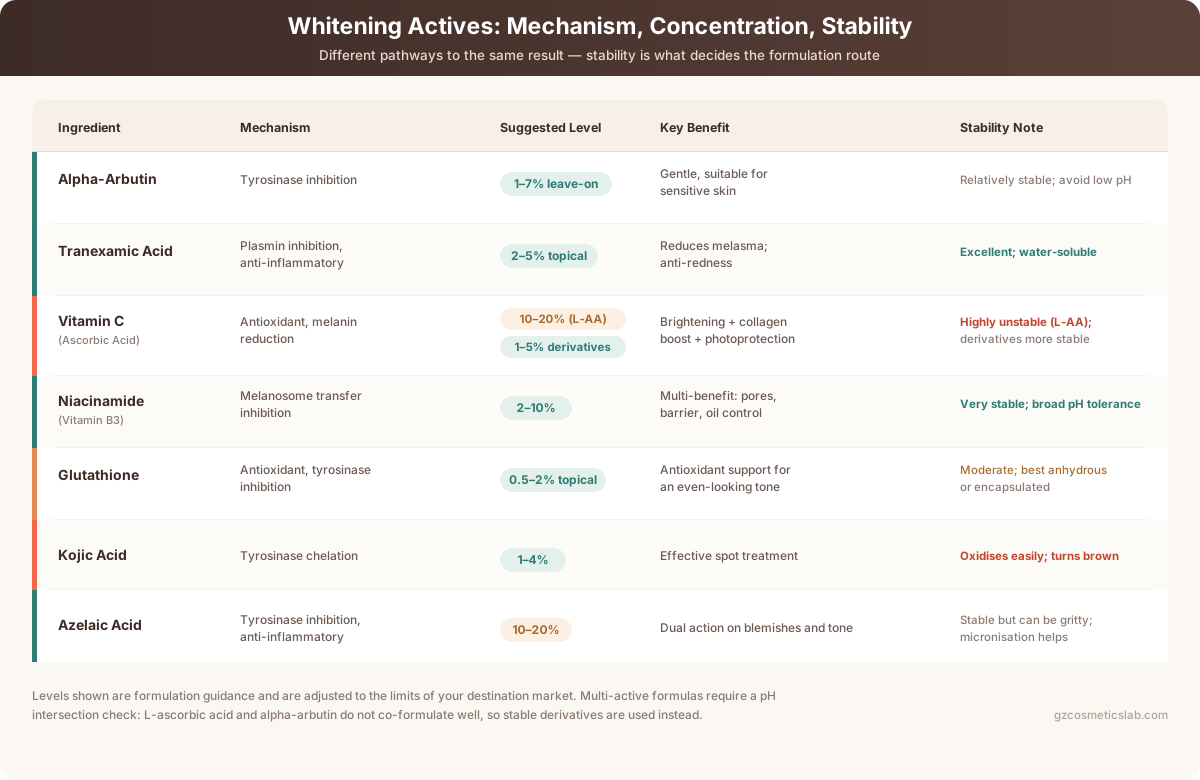
Chart by GZ Cosmetics Lab · Free to reuse with a link back to this page.
Modern skin brightening formulation has moved far beyond the dangerous ingredients of the past. Today's skin brightening OEM formulations rely on clinically validated actives that inhibit melanin production through safe biochemical pathways without causing cellular damage. The brightening formulas we currently run are on our skincare manufacturing page.
Ingredient Efficacy Comparison Table
| Ingredient | Mechanism | Recommended Concentration | Key Benefits | Stability Considerations |
|---|---|---|---|---|
| Alpha-Arbutin | Tyrosinase inhibition | 1-7% (leave-on) | Gentle, suitable for sensitive skin; proven efficacy | Relatively stable; avoid low pH |
| Tranexamic Acid | Plasmin inhibition, anti-inflammatory | 2-5% (topical) | Reduces melasma; anti-redness | Excellent stability; water-soluble |
| Vitamin C (Ascorbic Acid) | Antioxidant, melanin reduction | 10-20% (L-AA); 1-5% (derivatives) | Brightening + collagen boost + photoprotection | Highly unstable (L-AA); derivatives more stable |
| Niacinamide (Vitamin B3) | Melanosome transfer inhibition | 2-10% | Multi-benefit: pores, barrier, oil control | Very stable; broad pH tolerance |
| Glutathione | Antioxidant, tyrosinase inhibition | 0.5-2% (topical) | Systemic brightening; detoxification | Moderate stability; best in anhydrous or encapsulated |
| Kojic Acid | Tyrosinase chelation | 1-4% | Effective spot treatment | Oxidizes easily; turns brown |
| Azelaic Acid | Tyrosinase inhibition, anti-inflammatory | 10-20% | Acne + brightening dual action | Stable but can be gritty; micronization helps |
Alpha-Arbutin
Alpha-arbutin is the gold-standard brightening ingredient for Southeast Asian formulations. It works by competitively inhibiting tyrosinase - the enzyme responsible for melanin production - without destroying melanocytes.
Why it works well for ASEAN markets:
- Gentle enough for daily use in tropical climates
- Compatible with most other actives
- Regulatory-friendly across all ASEAN countries
- Consumer awareness is high due to K-beauty and J-beauty influence
Tranexamic Acid
Originally developed as an anti-hemorrhagic drug, tranexamic acid has emerged as a powerhouse brightening ingredient. It works through a different pathway than arbutin - blocking plasminogen activator to reduce UV-induced melanogenesis.
Key advantages for OEM formulation:
- Excellent stability in water-based formulations
- Works synergistically with vitamin C and niacinamide
- Particularly effective against melasma and hormonal pigmentation
- Growing clinical evidence base impresses regulatory reviewers
Vitamin C Derivatives
Pure L-ascorbic acid is highly effective but notoriously unstable in tropical conditions. A skilled whitening products manufacturer will typically recommend stabilized derivatives:
- Ascorbyl Glucoside - water-soluble, stable, converts to active vitamin C on skin
- Ethyl Ascorbic Acid - good penetration, moderate stability
- Ascorbyl Tetraisopalmitate - oil-soluble, excellent for emulsion systems
- 3-O-Ethyl Ascorbic Acid - high stability and bioavailability
The choice of derivative depends on your product format (serum, cream, essence), target price point, and desired shelf life in tropical storage conditions.
Niacinamide
Niacinamide is perhaps the most versatile brightening ingredient available. Rather than inhibiting melanin production, it works by preventing the transfer of melanosomes from melanocytes to keratinocytes - essentially stopping pigment from reaching the skin surface.
Benefits that resonate with Southeast Asian consumers:
- Controls sebum production (critical in humid climates)
- Strengthens the skin barrier
- Reduces redness and inflammation
- Minimizes pore appearance
- Compatible with virtually all other ingredients
At 5% concentration, niacinamide delivers visible brightening within 8-12 weeks of consistent use.
Glutathione
Glutathione is enormously popular in Southeast Asia, particularly in the Philippines and Thailand, where oral and topical glutathione products have strong consumer demand.
Formulation challenges:
- Reduced glutathione (GSH) is unstable and oxidizes quickly
- Penetration through the stratum corneum is limited
- Encapsulation technology dramatically improves efficacy
- Often combined with vitamin C to enhance recycling of oxidized glutathione
Banned and Restricted Ingredients: What to Avoid
The history of skin whitening products in Southeast Asia includes serious safety incidents. Any responsible brightening skincare manufacturer must be vigilant about these substances:
Mercury (Completely Banned)
Mercury compounds (mercurous chloride, ammoniated mercury) were historically used in whitening creams. They are now banned across all ASEAN markets with zero tolerance. Health effects include:
- Kidney damage
- Neurological impairment
- Skin damage (paradoxical darkening)
- Environmental contamination
BPOM, NPRA, and Philippine FDA regularly conduct market surveillance and issue public recalls for mercury-containing products, particularly those sold in informal markets.
Hydroquinone (Restricted to Prescription)
Hydroquinone is effective but carries risks at cosmetic concentrations:
- Ochronosis (paradoxical darkening) with prolonged use
- Cytotoxicity to melanocytes
- Potential carcinogenicity concerns
- Banned in cosmetics across ASEAN; prescription-only for medical treatment of melasma
High-Concentration AHAs
Alpha-hydroxy acids (glycolic, lactic, mandelic) support brightening by accelerating cell turnover. However:
- Concentrations above 10% in leave-on products are restricted in most ASEAN markets
- pH must remain at 3.5 or above
- Mandatory sunscreen warnings on labels
- Professional-use peels (20%+) require separate classification
Corticosteroids
Some unregistered products include topical steroids for their rapid anti-inflammatory and temporary skin-lightening effect. These are banned in cosmetics and cause:
- Skin atrophy
- Steroid dependency
- Rebound hyperpigmentation
- Systemic absorption risks
Advanced Delivery Technology: Maximizing Whitening Efficacy
Having the right active ingredients is only half the equation. The other half is ensuring those actives actually reach the target cells in the epidermis. This is where advanced advanced delivery technology transforms formulation outcomes.
The Penetration Challenge
The stratum corneum - the skin's outermost barrier - is designed to keep substances out. Most conventional brightening products deposit actives on the surface, where they oxidize, degrade, or wash off before reaching melanocytes in the basal layer.
Key challenges in tropical climates:
- High humidity causes faster product migration and dilution
- Sweat disrupts product adherence
- UV exposure degrades sensitive actives (especially vitamin C)
- Consumers prefer lightweight textures that may carry less active payload
How advanced delivery Enhances Brightening Results
advanced delivery technology uses advanced encapsulation and carrier systems to:
- Protect actives from oxidation - Vitamin C and glutathione remain stable until they reach target depth
- Improve penetration rates - designed to enhance active delivery to the basal layer
- Enable sustained release - Rather than a single burst, actives release over 8-12 hours for continuous melanin inhibition
- Reduce irritation - Gradual release means lower peak concentrations, minimizing sensitivity reactions
- Allow lower total concentrations - Because more of what is applied actually works, you can achieve results with lower listed percentages
Practical Benefits for Brand Owners
When you partner with a manufacturer that utilizes advanced delivery technology, the commercial advantages are significant:
- Faster visible results → better consumer reviews and repurchase rates
- Differentiation from commodity "me-too" products
- Ability to make stronger efficacy claims backed by delivery data
- Reduced risk of irritation complaints
- Premium positioning justification
To learn more about formulating for hot, humid conditions, see our tropical skincare formulation guide.
OEM Partnership: From Concept to Compliant Product
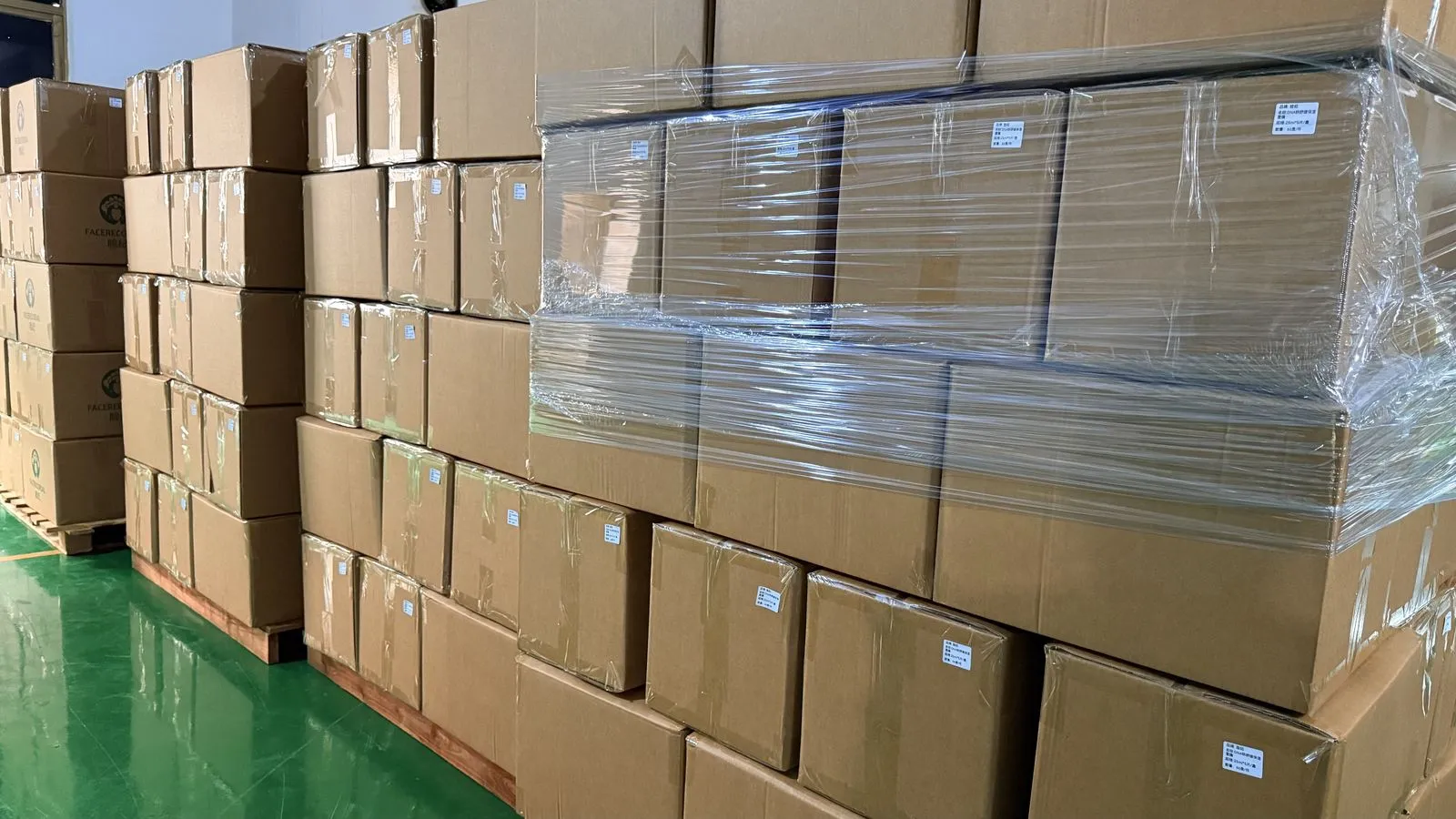
Working with an experienced whitening cosmetics OEM partner streamlines what would otherwise be an overwhelming process. Here is how a full-service engagement typically works:
Phase 1: Market Research & Concept Development
Before any formulation work begins, a good OEM partner helps you:
- Identify your target market and regulatory requirements
- Analyze competitor positioning and pricing
- Define your brand story and product claims
- Select the product format (serum, cream, essence, mask, toner)
- Determine MOQ, timeline, and budget parameters
Phase 2: Formulation Development
This is where technical expertise matters most. Your skin brightening OEM partner's R&D team will:
- Select active ingredients based on efficacy data and regulatory compliance
- Design the delivery system (conventional vs. advanced-delivery)
- Optimize texture, absorption rate, and sensory experience for tropical use
- Conduct stability testing under accelerated tropical conditions (40°C/75% RH)
- Iterate through 3-5 prototype rounds based on your feedback
Phase 3: Safety & Efficacy Testing
- Dermatological safety assessment
- Patch testing and irritation studies
- Preservative efficacy testing (PET)
- Stability testing (typically 6-12 months accelerated)
- Optional: clinical efficacy studies for marketing claims (melanin index measurement, ITA° improvement)
Phase 4: Regulatory Compliance & Registration
A manufacturer with ASEAN regulatory experience handles:
- Product Information File (PIF) compilation
- Safety assessment report preparation
- Country-specific notification/registration submission
- Label review for compliance (INCI listing, mandatory warnings, language requirements)
- Halal certification coordination (where applicable)
- Free-sale certificate issuance
Phase 5: Production & Quality Control
GMP-certified (ISO 22716) manufacturing ensures:
- Incoming raw material testing
- In-process quality checks
- Batch-to-batch consistency
- Microbiological testing
- Heavy metal testing (critical for whitening products)
- Finished product release testing
- Full batch traceability
Phase 6: Packaging & Logistics
Complete support from filling to delivery:
- Primary and secondary packaging sourcing
- Artwork design and compliance review
- Filling, labeling, and boxing
- Export documentation
- Shipping coordination to destination markets
Explore our complete OEM manufacturing services to understand how each phase is tailored to your project.
Illustrative Planning Scenarios for Brightening Launches in ASEAN
The following are hypothetical planning scenarios showing how different briefs change formulation, documentation, and launch sequencing. They are not client testimonials or reported commercial outcomes.
Scenario A: Indonesian D2C Brand Launch
A Jakarta-based entrepreneur wanted to launch a 3-SKU brightening line (serum, day cream, night cream) targeting young professionals through Shopee and TikTok Shop.
Challenge: Needed BPOM registration, halal certification, and a formulation that delivered visible results within 4 weeks to generate positive social media reviews.
Approach:
- Alpha-arbutin (5%) + tranexamic acid (3%) + niacinamide (5%) in an advanced-delivery serum
- Lightweight gel-cream textures for tropical comfort
- Complete BPOM and halal documentation prepared in parallel with stability testing
Planning outcome: Formulation, BPOM documentation, halal requirements, and testing are mapped as parallel workstreams. Approval timing remains with the authorities, and sales volume or customer ratings are not assumed.
Scenario B: Thai Clinic Brand Extension
A dermatology clinic chain in Bangkok wanted to launch a professional-grade brightening range under their own brand, distinct from the generic clinic products they had previously retailed.
Challenge: Required TFDA-compliant formulations with clinical evidence to support "dermatologist-developed" positioning at a premium price point.
Approach:
- Vitamin C derivative (3-O-ethyl ascorbic acid, 3%) + glutathione (1%) + tranexamic acid (2%)
- Consumer-use study measuring perceived brightening improvement over an 8-week period
- Premium airless packaging to maintain stability
Planning outcome: The study design and packaging choice provide an evidence route for the intended positioning. Retail performance and margins depend on the brand's market execution and are not predicted here.
Scenario C: Malaysian Multi-Market Export Brand
A Kuala Lumpur trading company needed a single formulation that could be registered across Malaysia, Indonesia, and Vietnam simultaneously.
Challenge: Satisfying three different regulatory frameworks with one formula. Halal certification required for Malaysian market. Vietnamese labeling needed.
Approach:
- Conservative ingredient selection (all actives well within every country's limits)
- Parallel registration submissions with country-specific label adaptations
- JAKIM halal certification obtained at manufacturing facility level
Planning outcome: One production specification may support several country-specific filings where each market's legal and labelling checks pass. Each authority makes its own decision, so no fixed multi-market approval time or cost saving is promised.
Choosing the Right Whitening Products Manufacturer
Not all OEM partners are created equal when it comes to brightening products. Here are the critical evaluation criteria:
Regulatory Expertise
Does the manufacturer have proven experience registering whitening products in your target markets? Ask for:
- Number of successful BPOM/TFDA/NPRA registrations
- Average registration timeline
- In-house regulatory team or outsourced?
Formulation Capability
Can they work with advanced actives and delivery systems? Key indicators:
- R&D team size and qualifications
- Access to advanced or equivalent delivery technology
- Stability testing capabilities under tropical conditions
- Portfolio of existing brightening formulations
Quality Certifications
- ISO 22716 (Cosmetic GMP) - minimum requirement
- Halal manufacturing certification
- ISO 9001 (Quality Management)
- FDA registration (if targeting US market later)
Testing Infrastructure
- In-house or affiliated laboratory capabilities
- Heavy metal testing (critical for whitening category)
- Preservative efficacy testing
- Clinical study coordination ability
Supply Chain Transparency
- Raw material sourcing documentation
- Supplier qualification records
- Traceability systems
- Allergen and contamination controls
For the evaluation sequence that applies to any skincare project, not just brightening, work through our skincare manufacturer buyer's checklist.
Browse our complete whitening product line to see examples of formulation capabilities across serum, cream, mask, and essence formats.
Formulation Trends Shaping the Brightening Category in 2024-2025
The whitening/brightening category continues to evolve rapidly. A forward-thinking skin brightening OEM partner should be guiding you toward:
Multi-Pathway Formulations
Rather than relying on a single brightening mechanism, advanced formulations target multiple steps in the melanogenesis pathway simultaneously:
- Tyrosinase inhibition (arbutin, kojic acid)
- Melanosome transfer blocking (niacinamide)
- Anti-inflammatory (tranexamic acid)
- Antioxidant protection (vitamin C, glutathione)
- Cell turnover acceleration (AHA, retinol)
"Skin Health" Positioning
Consumer and regulatory trends both favor positioning around skin health rather than color change:
- "Even skin tone" rather than "whiter skin"
- "Radiance" and "glow" language
- Emphasis on sun damage repair and prevention
- Anti-pollution and blue light protection benefits
Hybrid Sun-Bright Products
Since UV exposure drives hyperpigmentation, combining SPF protection with brightening actives in a single product makes scientific sense and appeals to minimalist skincare routines:
- SPF 50+ PA++++ with niacinamide and tranexamic acid
- Tinted formulations that provide immediate even-tone effect
- Lightweight textures suitable for tropical humidity
Microbiome-Friendly Brightening
Emerging research connects skin microbiome health with pigmentation regulation:
- Prebiotic ingredients that support beneficial bacteria
- Postbiotic filtrates with brightening properties
- Gentle preservation systems that don't disrupt skin flora
Sustainable and Clean Formulations
Southeast Asian consumers increasingly demand:
- Reef-safe formulations
- Plastic-free or recyclable packaging
- Certified organic or natural active alternatives
- Cruelty-free and vegan claims
- Transparent ingredient sourcing
Frequently Asked Questions
What is the minimum order quantity (MOQ) for a whitening product OEM project?
MOQs vary by product format and manufacturer capability. For a typical brightening serum or cream, MOQs often start at 3,000-5,000 units per SKU. Some manufacturers offer lower MOQs (1,000 units) for initial market-testing runs, though per-unit costs will be higher. Discuss your launch volume strategy with your OEM partner early - they can advise on the optimal balance between unit cost and inventory risk.
How long does it take from concept to first delivery of a registered whitening product?
A realistic timeline for a brightening product from initial briefing to delivered, registered goods is typically 6-9 months. This breaks down as: formulation development (6-10 weeks), stability testing (8-12 weeks running in parallel with regulatory submission), routine bulk production (35-60 days after approval), and shipping (2-4 weeks). Regulatory registration timelines vary by country (see comparison table above). Working with a manufacturer experienced in your target market's regulations can reduce avoidable document and sequencing delays.
Can one whitening formulation be registered across multiple ASEAN countries?
Yes, but with caveats. The ASEAN Cosmetic Directive provides a harmonized ingredient list, so a formula that complies with the strictest country's requirements (typically Indonesia's BPOM) will generally meet other countries' ingredient rules. However, labeling, notification procedures, and documentation requirements differ by country. Your OEM partner should design the base formulation for multi-market compliance from day one, then handle country-specific label adaptations and submissions in parallel.
What makes advanced delivery technology different from regular encapsulation?
Traditional encapsulation (liposomes, microspheres) primarily protects actives from degradation during storage. This delivery system goes further by engineering targeted release at specific skin depths, sustained release profiles, and enhanced penetration through the stratum corneum. The practical goal is more active ingredient reaching the target layer compared to conventional formulations, supporting faster visible results and stronger consumer reviews.
How do I ensure my whitening product complies with skin whitening regulations across markets?
Start by working with a manufacturer that has in-house regulatory expertise for your target markets. Key compliance steps include: (1) selecting only permitted ingredients at allowed concentrations, (2) conducting required safety assessments, (3) preparing complete Product Information Files, (4) using country-appropriate labeling with required warnings and language, (5) obtaining necessary certifications (halal, GMP), and (6) submitting proper notifications or registrations before market entry. Your OEM partner should handle all of this as part of a full-service engagement, providing you with a clear compliance checklist at project kickoff.
Ready to Develop Your Brightening Product Line?
The Southeast Asian brightening market offers exceptional growth potential for brands that combine proven science with regulatory compliance. Whether you are launching your first SKU or expanding an existing line, the right manufacturing partner makes the difference between a product that sits in regulatory limbo and one that captures market share from day one.
We have been developing brightening formulations, navigating ASEAN regulatory requirements, and applying advanced delivery technology since 2010. From initial concept through registered, shelf-ready product, we handle the complexity so you can focus on building your brand.
Get started today:
- Share your product concept and target market
- Receive a formulation feasibility assessment
- Get a detailed project timeline and quotation
Contact our OEM team to discuss your whitening and brightening product development project, and we will come back with a formulation route, the registration items your target market triggers, and a timeline you can plan against.
Tell us the market before the formula
Brightening is a filed claim in several ASEAN markets, so the country list decides the actives and the paperwork. Send yours and we will tell you what is open to you.
Related Products
Explore ready-to-customize formulations you can private label under your own brand.
Ready to Start Your Project?
Tell us your product requirements. Within 24 hours, our technical team will reply with a quotation or the questions needed to prepare one.