
Philippines FDA Cosmetics Registration (CPN): OEM Guide
Published by GZ Cosmetics Lab · 2026-07-29
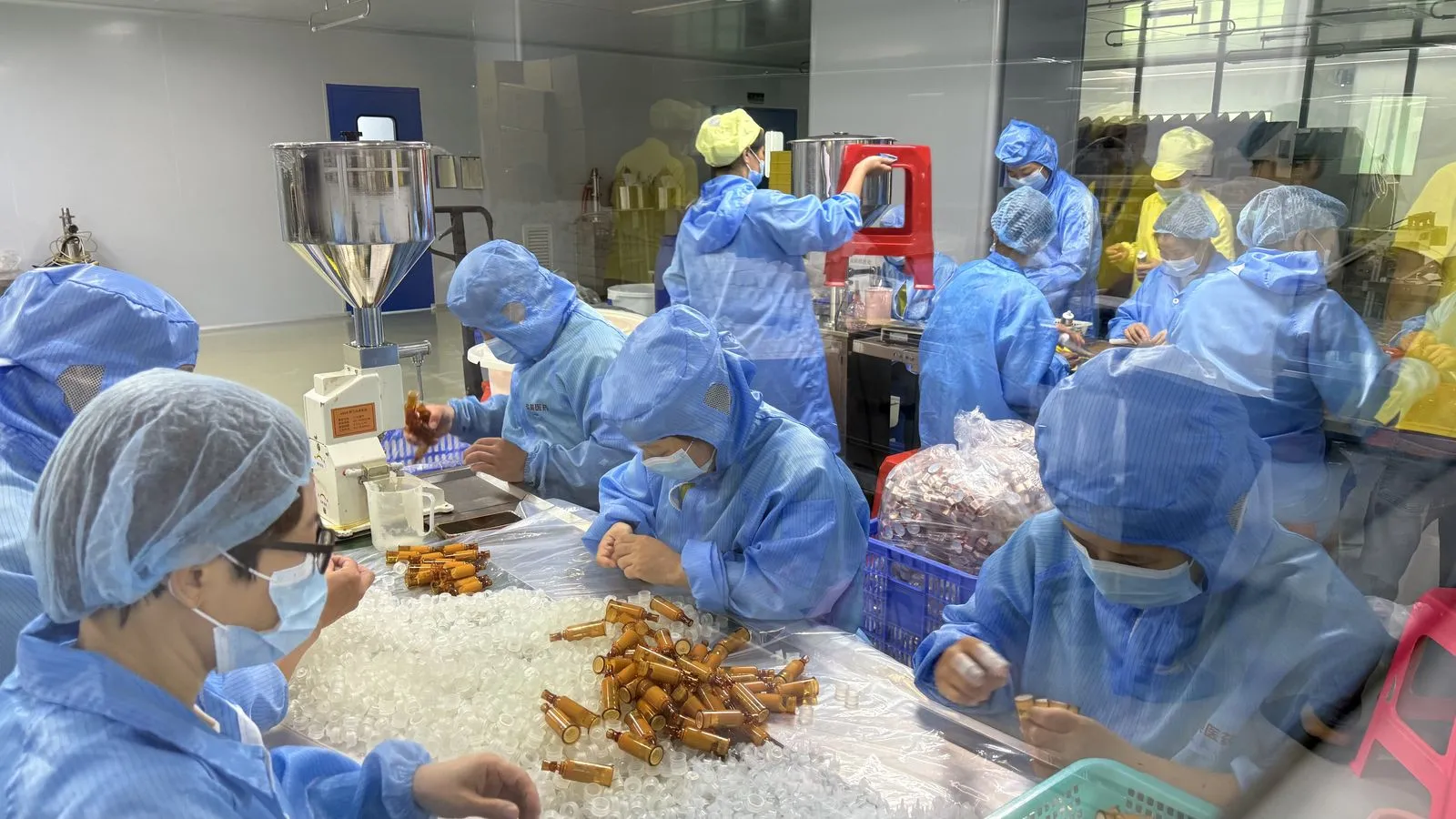
Selling cosmetics in the Philippines does not require full registration in the way many brands fear. It runs on a notification system, which is faster, but it has one hard gate that stops most foreign brands before they even start: you cannot notify a product yourself. A Philippine-based entity has to hold the license and file on your behalf. Get that structure wrong and your product sits in limbo no matter how good the formula is.
This guide is written from the manufacturing side of the table. Most guides you will find are from law firms and regulatory agents who file the paperwork. What they rarely explain is what the factory has to produce for that paperwork to succeed, and where a Chinese OEM partner either smooths the path or quietly becomes the bottleneck. If you are sourcing from China and aiming at the Philippine market, this is the part that decides your timeline.
CPN, Not Registration: What the Philippine System Actually Is
The Philippine FDA regulates cosmetics through a Cosmetic Product Notification, or CPN, issued as a Certificate of Product Notification. This is a notification regime, not a pre-market registration where an authority approves your formula before you sell. You declare that your product complies with the ASEAN Cosmetic Directive, submit the supporting file, pay the fee, and receive a notification number. The FDA can still audit, recall, or penalize you afterward, so the burden of proof stays on you the whole time.
That distinction matters for planning. Because it is notification rather than approval, processing is measured in working days rather than months once your paperwork is clean. The slow part is almost never the FDA's evaluation of the product itself. It is getting the licensing entity and the documents in order first.
The Two Things You Actually Need
Every compliant product rests on two separate approvals, and people routinely confuse them:
- License to Operate (LTO): this licenses the company that imports and distributes your product. It is issued to a Philippine entity, not to your brand or your factory. Without a valid LTO, the notification portal will not even accept your application.
- Certificate of Product Notification (CPN): this covers the individual product. One CPN per product, and in practice per variant, since shades, sizes, and formula variations are treated as distinct products.
The LTO is the company-level key; the CPN is the product-level pass. You need the first before you can obtain the second, and this sequencing is where most first-time timelines slip.
The MAH Gate: Why Foreign Brands Cannot File Alone
Here is the rule that catches Chinese factories and their overseas clients off guard. A foreign manufacturer or brand owner cannot hold a Philippine LTO or file a CPN directly. You must appoint a Philippine-based Market Authorization Holder, sometimes called a local responsible person or authorized representative, who holds the license and takes legal responsibility for compliance in-market.
This is not a formality you can skip or backdate. The MAH is who the FDA holds accountable for product safety, labeling accuracy, and the Product Information File after approval. Your options are usually one of three:
- Your Philippine importer or distributor acts as MAH. Most common for brands that already have a buyer or partner in-market.
- A third-party regulatory agent holds the license as your representative. Useful when you are testing the market before committing to a distributor.
- Your own Philippine entity, if you incorporate locally. Only worth it at scale.
The practical takeaway: decide who your MAH is before you finalize anything else, because the LTO is issued to them, and every document downstream references that entity. A good manufacturing partner will have done this dance before and can tell you exactly what the MAH will ask you for.
Need help with your cosmetics project?
Our team provides free consultations on formulation, compliance, and manufacturing for brands entering Southeast Asian markets.
What the Factory Has to Deliver
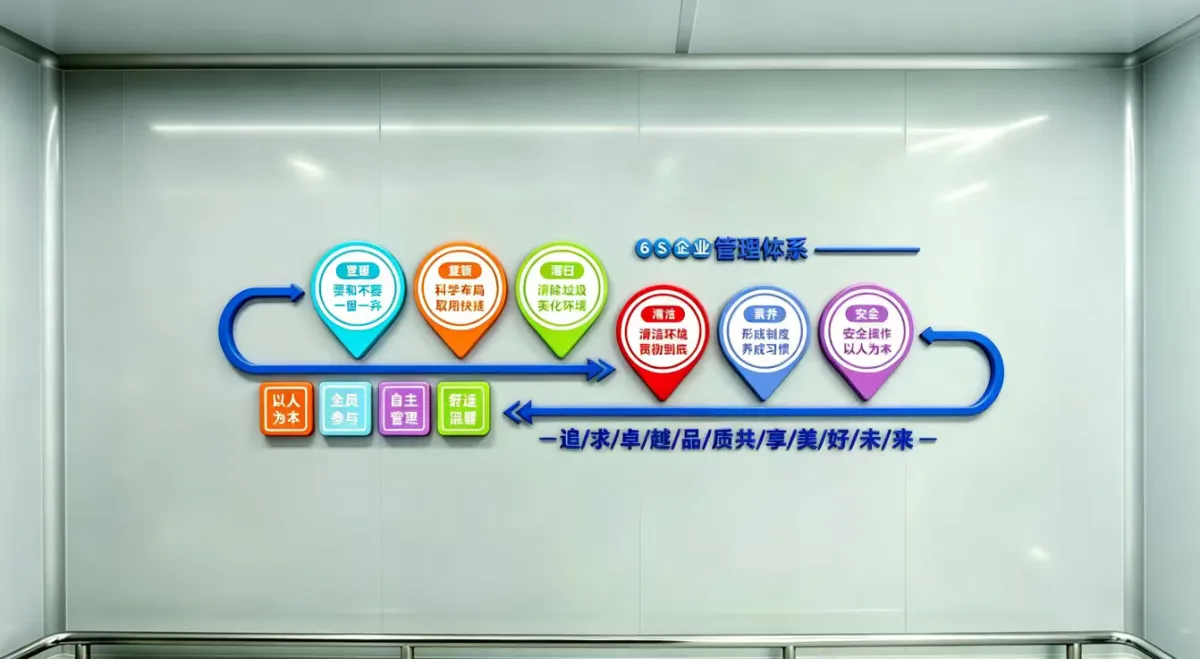
This is the section the regulatory-agent guides leave out, and it is the one that actually sits on your OEM partner's desk. A CPN filing needs a Product Information File and a set of technical documents that only the manufacturer can produce. If your factory cannot generate these cleanly, no amount of local regulatory help will save your timeline.
Documents That Originate at the Manufacturer
- Full ingredient list in INCI nomenclature, matching the label exactly. Discrepancies between the declared formula and the label are a leading cause of rejection across ASEAN, not just the Philippines.
- Product formulation breakdown with percentages, cross-checked against ASEAN Annex restrictions so nothing prohibited or over-limit slips through.
- Good Manufacturing Practice evidence. An ISO 22716 certificate or GMP declaration from the production site. This is the single document that most often separates an audit-ready factory from a risky one. Our explainer on ISO 22716 and GMPC covers what a genuine certificate should show.
- Certificate of Analysis or product specification confirming the finished product meets its declared specs.
- Free Sale Certificate where required, showing the product is legally sold in its country of origin.
- Manufacturer details and site address, which must match across every document. Inconsistencies here trigger queries that add weeks.
Notice how many of these are the factory's job, not the regulatory agent's. This is why the choice of manufacturer is a compliance decision, not just a price decision. A factory that already exports to ASEAN markets will hand you these documents as a matter of routine; one that only serves the domestic Chinese market may not have them in a usable form at all. If you are still evaluating partners, our guide on how to choose a cosmetics manufacturer in China flags the export-readiness signals to look for.
Labeling: The ASEAN Rulebook, Applied Locally
Philippine cosmetic labels follow ASEAN labeling requirements, so if you have already prepared labels for Thailand or Indonesia, you are most of the way there. What trips brands up is treating labeling as an afterthought once the product is made, when it should be locked in during formulation and artwork.
A compliant label carries the product name and function, net content, the full INCI ingredient list, the manufacturer and importer details, country of origin, batch number, and an expiry date or period-after-opening symbol, along with any directions and warnings. The hard line is on claims: anything that reads as medical or therapeutic can reclassify your product as a drug, which pulls it into a completely different and far heavier approval track.
This claims boundary is not abstract. It is exactly where whitening and brightening products get into trouble in the Philippines, which deserves its own section.
Whitening Products: The Philippine FDA's Sharpest Focus
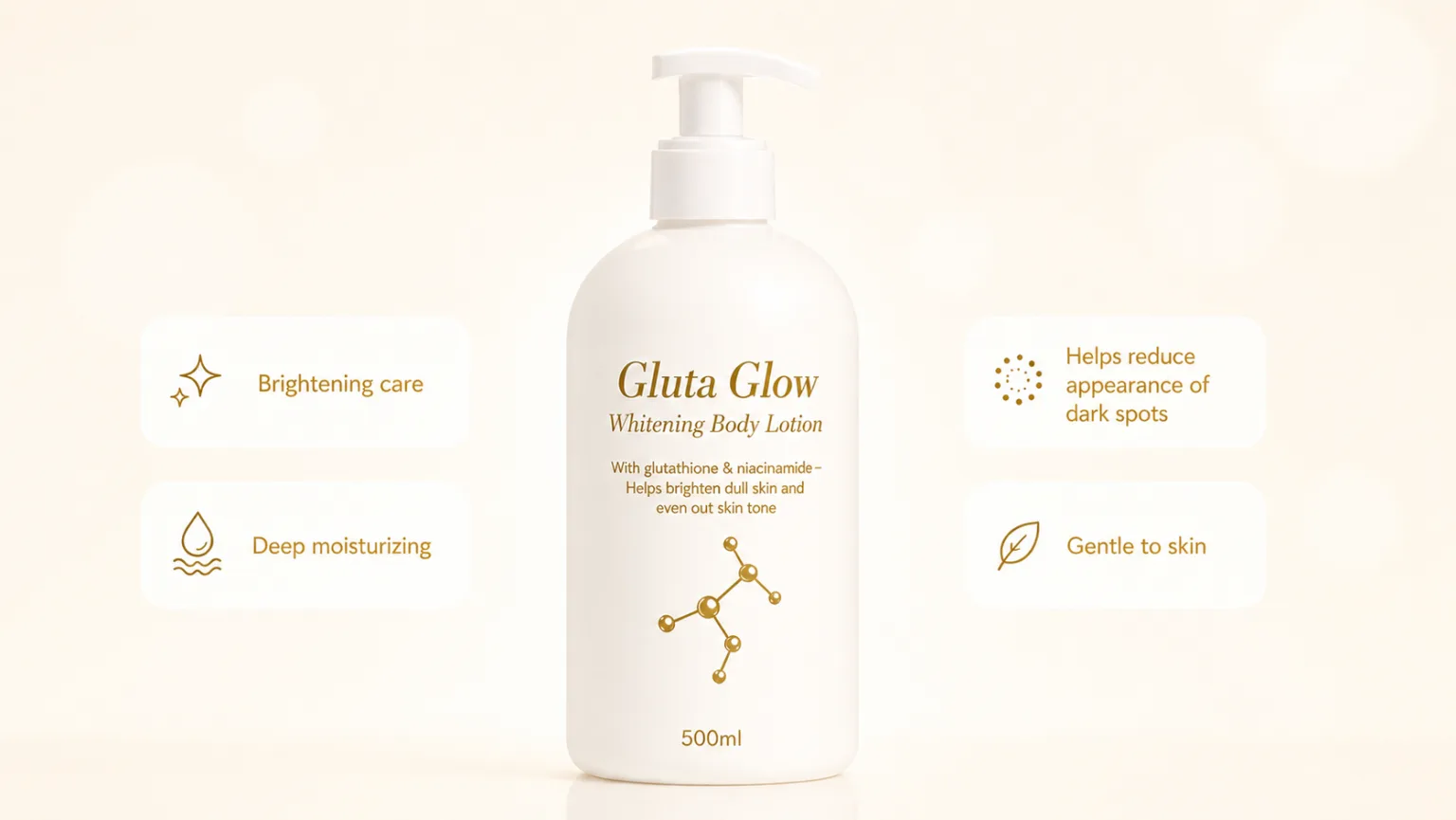
The Philippines is one of Asia's largest whitening and brightening markets, and its FDA scrutinizes this category harder than almost any other. The reason is a long history of illegal products spiked with mercury and unapproved levels of hydroquinone. If your line includes whitening serums, creams, or soaps, expect this category to face the closest look.
Two things keep you on the right side of the line. First, formulation discipline: your actives have to sit within ASEAN-permitted limits, and your factory has to prove it. This is where sourcing a compliant brightening formula from a manufacturer that already documents its ingredient levels pays off directly. Our overview of whitening and brightening product OEM walks through the compliant actives and the claims that survive regulatory review. Second, claims restraint: "helps visibly even skin tone" survives; anything implying you treat pigmentation as a medical condition does not.
For brands building around glutathione, alpha-arbutin, or niacinamide, the formulation and the paperwork have to move together. A factory that can supply the finished product but not the ingredient-level documentation to back a whitening claim leaves you exposed in precisely the market segment the FDA watches most.
Timeline and Cost: Planning Numbers
Treat these as planning ranges and confirm current fees against the FDA e-portal, since they are periodically revised. The pattern, however, is stable and worth internalizing because it shows where your effort actually goes.
- License to Operate (LTO): roughly 1 to 3 months, and this is usually the longest single step. It is a company-level license, so if your MAH already holds a valid LTO, you skip this entirely and move straight to product notification.
- CPN processing: typically a handful of working days to a couple of weeks once submitted with complete documents, reflecting the light-touch nature of a notification system.
- End-to-end market entry: plan for 2 to 4 months from a standing start, front-loaded almost entirely by the LTO and document preparation rather than the notification itself.
The lesson in these numbers: the FDA is rarely your bottleneck. Your bottleneck is whether the licensing entity is ready and whether your factory documents are clean on the first submission. A partner working with an MAH that already holds an LTO can compress a "2 to 4 month" timeline dramatically.
Where the Philippines Sits in Your ASEAN Rollout
If you are entering Southeast Asia market by market, the Philippines shares a common backbone with its neighbors because all of them build on the ASEAN Cosmetic Directive. That harmonization is real and it is your friend: the Product Information File, the INCI ingredient logic, and the labeling structure you prepare for one market carry over substantially to the next. Our guide to the ASEAN Cosmetic Directive maps the shared framework.
The differences are in the local mechanics rather than the science. In Thailand, notification runs through the TFDA e-submission system with Thai-language labeling; the process is laid out in our Thailand TFDA registration guide. In Indonesia, BPOM adds a halal certification layer that has no Philippine equivalent, covered in our BPOM registration guide. The Philippines keeps it comparatively lean: a notification system, a mandatory local MAH, and an unusually watchful eye on whitening claims.
Sequenced well, each market you enter makes the next one cheaper, because the manufacturing documentation and formula compliance work is largely reusable. The one thing that does not carry over is the local licensing entity, which you have to establish fresh in each country.
How a China OEM Partner Fits Into Philippine Entry
Your manufacturer cannot be your MAH and cannot file your CPN. What a strong OEM partner does is remove the friction on the half of the process that is theirs: producing ASEAN-compliant formulas, holding genuine ISO 22716 or GMP evidence, generating the Certificate of Analysis and Free Sale Certificate on request, and keeping every document consistent so the FDA has nothing to query.
The difference between a factory that exports to ASEAN routinely and one that does not is measured in weeks of avoided back-and-forth. When the manufacturing documents are clean and complete on first submission, the notification moves at the speed the system allows. When they are not, you discover it only after your MAH has already filed, and every correction resets the clock. If you are ready to map a compliant product to your target markets, our team can prepare the documentation your MAH will need. Request a quote and tell us which markets you are entering.
Frequently Asked Questions
Do I need to register cosmetics in the Philippines, or just notify?
Cosmetics use a notification system, not full registration. You obtain a Certificate of Product Notification (CPN) by declaring ASEAN compliance and submitting a supporting file, rather than waiting for the FDA to approve your formula in advance. Products with medical or therapeutic claims are treated as drugs and follow a heavier registration track.
Can a foreign brand file a CPN without a local company?
No. You must appoint a Philippine-based Market Authorization Holder, typically your importer, distributor, or a regulatory agent, who holds the License to Operate and files on your behalf. The MAH carries legal responsibility for compliance in-market.
How long does the whole process take?
Plan for 2 to 4 months end to end from a standing start. The License to Operate is the longest step at roughly 1 to 3 months; the CPN itself processes in days to a couple of weeks once documents are complete. If your MAH already holds a valid LTO, the timeline shortens considerably.
What documents does my Chinese manufacturer need to provide?
The INCI ingredient list, formulation breakdown, GMP or ISO 22716 evidence, a Certificate of Analysis or product specification, and a Free Sale Certificate where required. These originate at the factory, which is why export-readiness of your manufacturer directly affects your timeline.
Why are whitening products scrutinized more heavily?
The Philippines has a history of illegal whitening products containing mercury or excessive hydroquinone, so the FDA watches this category closely. Compliant products keep actives within ASEAN limits, document those levels, and avoid claims that imply treating pigmentation as a medical condition.
Is a CPN valid indefinitely?
No. A notification has a fixed validity period and must be renewed before expiry to keep the product legally on the market. Your MAH manages renewal alongside ongoing post-market obligations such as maintaining the Product Information File.
Getting Philippine Entry Right From the Factory Side
The Philippine cosmetic market rewards preparation over speed. The notification system itself is fast; what determines your launch date is whether you appointed the right MAH early and whether your manufacturer can produce clean, consistent, ASEAN-compliant documentation on the first pass. Sort those two things out and the FDA step becomes the easy part. Get them wrong and the friendliest notification system in the region will still keep your product off the shelf. If you are planning a Philippine launch and want a manufacturing partner whose paperwork holds up to FDA scrutiny, get in touch with your target markets in hand.
Ready to Start Your Project?
Tell us your product requirements. Our technical team responds within 24 hours with a detailed quotation.