
Cosmetics Manufacturer for the Middle East: Saudi & UAE
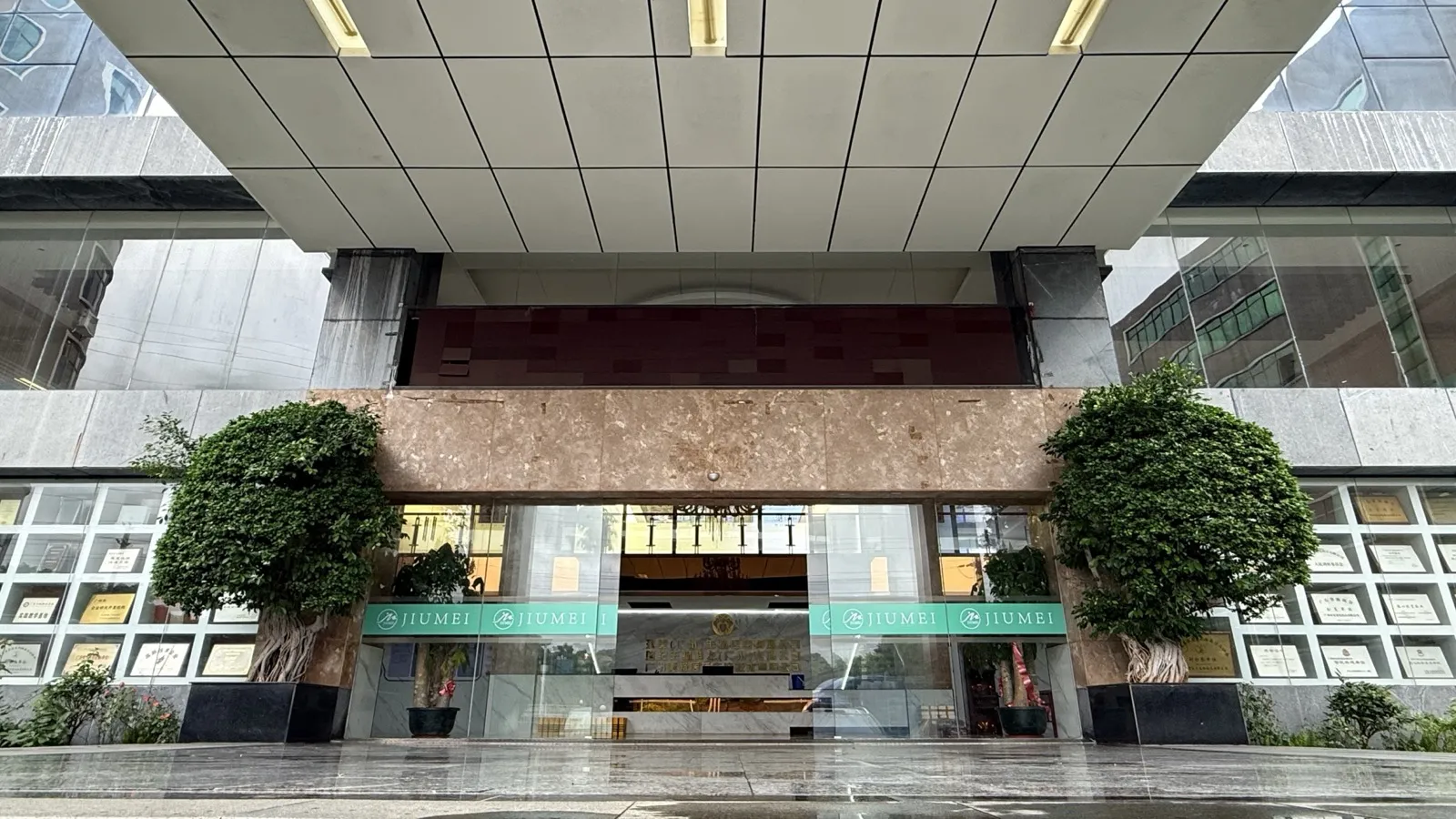
GZ Cosmetics Lab, Guangzhou · ISO 22716 & GMPC certified.
If you are sourcing for a brand that sells in Saudi Arabia or the UAE, the question is rarely whether a Chinese factory can make the product. It is whether the factory understands what happens to that product between leaving Guangzhou and sitting on a shelf in Riyadh or Dubai: a Gulf technical regulation that was rewritten in 2024, bilingual Arabic labelling that has to be right before the print run, a halal question that most suppliers answer far too confidently, and a climate that is genuinely harder on an emulsion than anything in Europe or East Asia.
This guide is written for brand owners, distributors and sourcing managers targeting the GCC. It covers the regulation that actually governs your product, what your factory owes you versus what you owe your importer, how Gulf heat changes formulation and stability decisions, and where the seasonal buying cycle should sit in your production calendar. Where we do not have a verifiable answer, we say so rather than guess, because in this region a confident wrong answer costs you a shipment.
One Regulation Governs the Whole Gulf: GSO 1943:2024
The single most useful thing to know before you brief a factory is that cosmetics sold across the GCC sit under a shared Gulf technical regulation rather than six unrelated national rulebooks. The current instrument is GSO 1943:2024, "Cosmetic Products — Safety Requirements of Cosmetics and Personal Care Products", a Gulf Technical Regulation in its 4th edition, approved on 1 May 2024 by the GCC Standardization Organization. Its stated scope is the general safety requirements and parameters plus the labelling and packaging requirements that all cosmetics and personal care products must meet, with an illustrative product list in Annex 1. Product claims sit under a companion instrument, GSO 2528:2024, "Technical Regulation of Cosmetic and Personal Care Products Claims".
Two practical consequences follow. First, when a supplier tells you their documentation is "GCC compliant", the meaningful follow-up is which edition of GSO 1943 they have worked to. The 2024 edition is current; a factory still working from an older edition is preparing a file against a superseded document. Second, a shared safety and labelling regulation does not mean a shared registration. Market entry is still handled country by country through national authorities — the Saudi Food and Drug Authority in Saudi Arabia, and the health authorities in the UAE — so you should budget filing effort per market even though the underlying technical requirements are harmonised. Saudi Arabia is the stricter of the two on who may file: the notification runs through the SFDA's GHAD system and the notifier must be an establishment inside the Kingdom, so the Saudi SFDA notification route is worth settling with your importer before artwork goes to print.
If your brand is also selling into Europe, the structure will feel familiar: a horizontal safety regulation, restricted-substance annexes, and labelling obligations that attach to whoever places the product on the market. The mental model that works for a European private label project transfers to the Gulf. The specific annexes and the language requirement do not.
The Halal Question, Answered Honestly
This is where suppliers overpromise most often, so we will be precise about what we can and cannot substantiate.
What we can state plainly: we hold halal certification, alongside ISO 22716 and GMPC issued by Intertek (certificates HBPCER20260352 and HBPCER20260353, valid to 15 July 2029, verifiable by anyone at certs.intertek.com.cn). A halal certificate applies to the products and production lines within its declared scope rather than to everything we make, so a halal-certified line does not make every formula in our catalogue halal by default. It is also not a substitute for whatever your destination market's authority recognises. Tell us your destination market early and we will confirm what is in scope and what would need re-certification.
What we will not do is tell you that halal certification is or is not legally mandatory for your specific product in Saudi Arabia or the UAE. The honest position is that halal recognition in the Gulf runs through a different system from cosmetic safety notification, that recognition of certifying bodies is maintained by the importing country and updated periodically, and that requirements differ depending on whether your formula contains animal-derived ingredients and whether you intend to put a halal claim on the label. Those are three separate questions and they have three separate answers. Any supplier who collapses them into one sentence is guessing on your behalf.
The workable sequence, and the one we use with GCC clients:
- Declare your intent early. Tell us at briefing stage whether a halal claim will appear on the label. That single decision changes ingredient selection, particularly around ethanol and any animal-derived material such as lanolin, collagen or carmine.
- Get the requirement confirmed by someone accountable in-market. Your importer of record or a local regulatory agent should confirm, in writing, which certification your destination authority currently recognises. Recognised-body lists change; a certificate that satisfied a shipment two years ago is not automatically current.
- Then work backwards to the formula. Reformulating to remove an animal-derived ingredient is straightforward at bench stage and expensive after packaging is tooled. If halal positioning matters to your brand, a formula designed without animal-derived inputs from the start removes an entire category of documentation risk, because there is nothing to trace.
To be equally clear about the limit of our own claim: a halal certificate tells you what was audited and what falls inside its declared scope. It does not approve your product, does not register it anywhere, and does not remove your obligation to satisfy your destination market's notification and labelling rules.
Arabic Labelling Is a Print-Run Decision, Not an Afterthought
GSO 1943:2024 carries labelling and packaging requirements, and the practical headline for an exporting brand is that Arabic appears on the label. In most GCC retail contexts you will run bilingual Arabic and English artwork rather than Arabic alone, but the Arabic content is the part regulators and importers scrutinise. Because the 2024 edition is current, label artwork that was signed off against an earlier edition should be re-checked before you commit to a print run — ingredient nomenclature, warnings and mandatory particulars are exactly the sort of detail that shifts between editions.
The reason to settle this before production, not after, is mechanical. Cosmetic labels for the Gulf typically have to carry the product name, the manufacturer or importer name and address, country of origin, net content, batch or lot number, production and expiry dates or a period-after-opening symbol, the ingredient list in INCI names, and any warnings and directions for use. Getting the Arabic translation of that set wrong means re-tooling artwork and reprinting components — and packaging components are frequently the critical path in a project timeline already, so a labelling revision at the wrong moment can push a launch back by weeks. We handle Arabic-inclusive artwork as part of the project, but the translated content still has to be reviewed and approved by someone accountable on your side or your importer's. Artwork sits alongside the formulation work, because a reformulation mid-project means a new ingredient list and a new plate.
Gulf Heat Changes the Formula, Not Just the Shipping
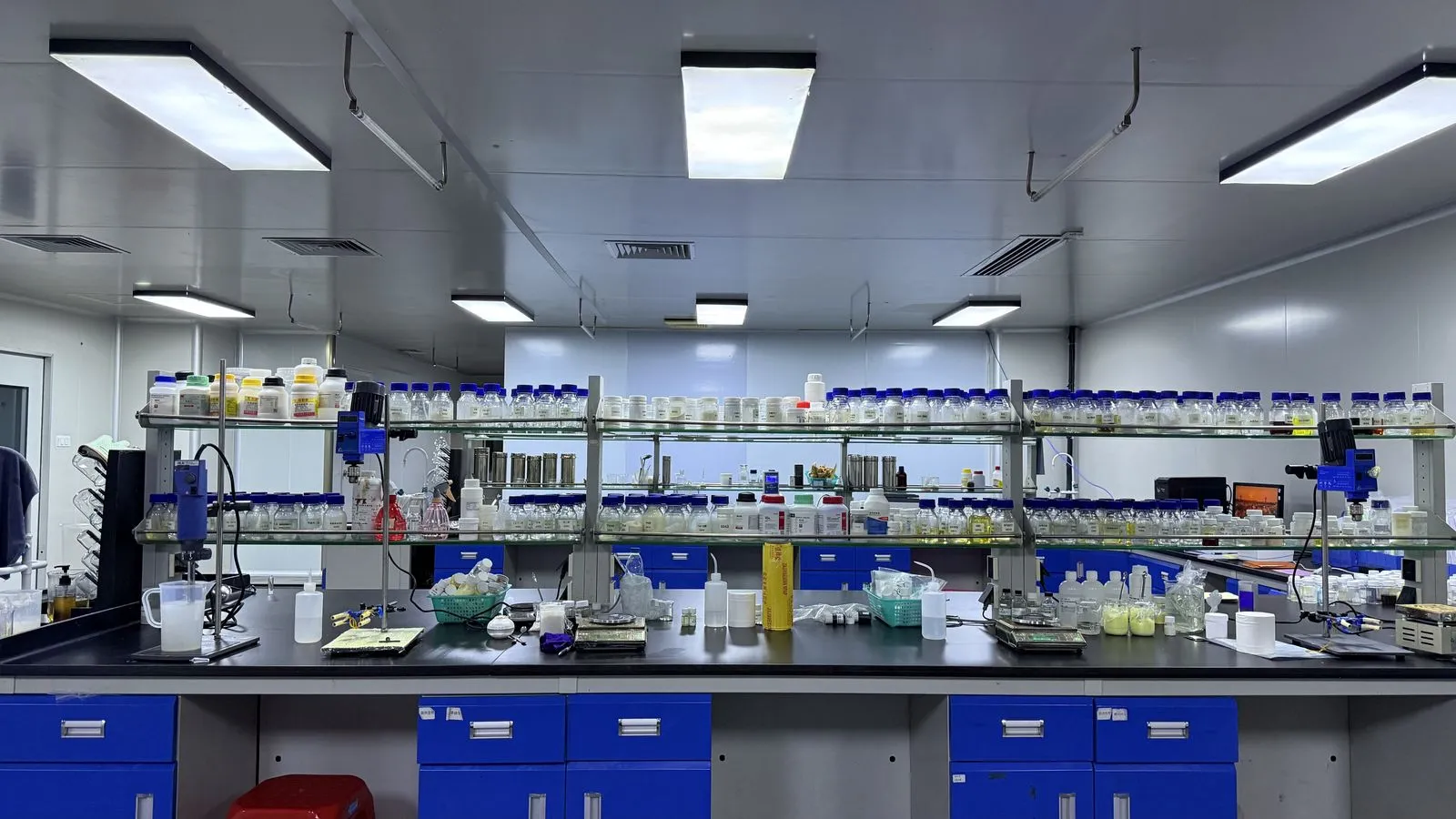
This is the part most sourcing conversations skip, and it is the part that decides whether your product survives its own supply chain. The Gulf is one of the harshest environments a cosmetic will ever face: sustained high ambient temperature, warehouses and transit containers that run far hotter, and indoor air conditioning that pulls humidity to the opposite extreme. A formula validated for a temperate market can separate, discolour or lose active potency long before its stated shelf life in these conditions.
Concretely, three things deserve attention when you brief a factory for the Gulf:
- Emulsion stability under heat. Creams and lotions are the most exposed. The relevant test is accelerated stability at elevated temperature, and the honest question to ask any factory is what conditions they run and for how long. Our accelerated stability studies run at 40°C and 75% relative humidity, the standard accelerated-ageing condition, and we run the chosen packaging in the study rather than only the bulk, because a formula that holds in a beaker can still fail in the pump or jar you selected.
- Active potency over time. Heat-sensitive actives — several vitamin C derivatives, some brightening ingredients — degrade faster at Gulf temperatures. This is a formulation and packaging decision, not a marketing one: opaque, well-sealed packaging and appropriate derivative choices matter more here than in a cool climate.
- Fragrance and sensory drift. High temperatures accelerate fragrance change and can shift colour. If your brand lives or dies on a signature scent, that scent has to be evaluated after heat exposure, not just at fill.
None of this is exotic. It is standard development discipline applied to a genuinely demanding climate, and it is the reason a factory that has shipped into the Gulf before is worth more to you than one that has not. If you want the detail on how heat and humidity interact with specific ingredients, our guide to formulating for hot, humid climates covers the ingredient-level trade-offs.
What Gulf Buyers Actually Want on the Shelf
Sourcing is not only compliance. The GCC is a premium-leaning market with distinct product preferences, and briefing to those preferences early saves a reformulation cycle later. Brightening and even-tone products sell strongly, as they do across much of Asia and the Middle East; rich, occlusive textures perform well against a backdrop of air-conditioned dryness; and fragrance expectations run higher and more sophisticated than in many Western markets, which is precisely why the heat-stability point above is not a footnote. Long-wear and transfer-resistant claims matter more where ambient temperature is working against the product all day.
The practical instruction to a factory is to specify these as requirements, not hope for them as outcomes. "A brightening serum" is a category. "A brightening serum with an occlusive after-feel, a heat-stable brightening active, and a fragrance validated after accelerated ageing" is a brief a factory can actually build to and test against. Our skincare and body care ranges are the formats that brief usually starts from.
MOQ, Lead Times and the Route to Jebel Ali
| Stage | Private label from an existing base | Original development from scratch |
|---|---|---|
| Minimum order | 2,000–3,000 bottles or jars / SKU 5,000–10,000 sheets for masks |
3,000 / SKU and upward |
| Production after sign-off | 35–45 days basic formats 45–55 days serums and creams |
Same production window, once development closes |
| Pre-production | Artwork and packaging only | Roughly 10–16 weeks, depending on sample rounds and whether stability testing runs alongside packaging |
| Sea transit | 15–22 days to Jebel Ali, against 25–35 days to Europe | |
Development from scratch starts higher because bench work, stability studies and pilot batches have to be amortised somewhere. Serums and creams sit in the stability-tested tier, which is why they run longer than cleansers and toners on the same line.
On freight, the shorter Gulf lane is a real planning advantage, but it does not shorten the two things that actually gate a Gulf launch: stability validation and registration. Build your calendar around those, not around transit time. Where minimums and stage payments sit is set out on our private label page.
Sequence a Gulf Launch to Avoid Rework
The projects that go smoothly are the ones sequenced so that expensive, hard-to-reverse steps happen last. A reliable order of operations:
- Confirm claims and halal intent first. Whether you will make a halal claim, and what performance claims you want, together decide ingredient selection and which regulatory path you are on. Deciding this after sampling is the most common cause of rework.
- Lock the formula and validate it under Gulf conditions. Accelerated stability at 40°C/75% RH, in the real packaging, before you commit to components.
- Finalise bilingual artwork against GSO 1943:2024. Review the Arabic content with your importer before the print run.
- Confirm the registration route per market. Saudi and the UAE are separate filings even under a shared technical regulation; your importer of record or local agent drives this. For Saudi Arabia the notifier also has to be a Saudi-established entity, so identify who that will be early.
- Produce and ship. By this point nothing upstream should be moving.
If you are still choosing between suppliers rather than running a live project, the same discipline that vets any OEM applies here — documented certifications, a real stability programme, and honesty about what a certificate does and does not cover. Our guide on how to choose a cosmetics manufacturer in China covers that vetting in full, and what ISO 22716 and GMPC actually certify explains why facility certification is the baseline, not the finish line.
Sourcing for Saudi Arabia or the UAE?
Send us your product concept, target market and whether a halal claim is in scope. We will tell you honestly what the GSO 1943:2024 path looks like, how the formula needs to change for Gulf heat, and what your importer will need from us in writing.
Plan Production Around the Buying Calendar
Demand in the Gulf is not flat across the year. Ramadan and the Eid periods that follow are major gifting and personal-care seasons, and retail buyers place orders well ahead of them. This is a scheduling fact, not a marketing slogan: if you want stock on shelf for a seasonal peak, the order has to be placed early enough to clear production, stability sign-off, artwork approval and registration — and then still make the 15-to-22-day sea transit — before the retail buying window opens.
The failure mode we see is a brand that finalises a formula in what feels like good time, then discovers that the registration step in the destination market is the long pole, and misses the season by a matter of weeks. Because the dates of Ramadan move earlier each year on the Gregorian calendar, "the same time as last year" is not a safe planning anchor. Work backwards from the specific season you are targeting, add the registration lead time your importer quotes, and place the production order against that, not against transit time alone. If you are building a first launch from scratch, treat the ten-to-sixteen-week development window as the front of that calculation, not an afterthought. Tell us your target on-shelf date and we will work the schedule backwards from it.
Frequently Asked Questions
Do I register a cosmetic once for the whole GCC, or separately in Saudi Arabia and the UAE?
The technical requirements are harmonised under GSO 1943:2024, but registration is handled country by country. Saudi Arabia goes through the SFDA; the UAE goes through its health authorities. Plan for separate filings in each market even though the underlying safety and labelling rules are the same. Your importer of record or a local regulatory agent normally drives the filing in each country.
Is halal certification mandatory for cosmetics in Saudi Arabia or the UAE?
It depends on your formula and your labelling intent, and we do not give a blanket yes or no because the answer differs by product and can change over time. Products containing animal-derived ingredients, and any product carrying a halal claim on the label, raise the issue most directly. The reliable path is to have your importer or local agent confirm in writing what your destination authority currently requires and which certifying bodies it recognises. We hold halal certification covering the products and production lines within its declared scope, which supports your file, but it does not replace that in-market confirmation.
Does the label have to be in Arabic?
Arabic content is expected on cosmetic labels in the GCC, typically as bilingual Arabic and English artwork rather than Arabic alone. Because GSO 1943:2024 is the current edition, review your label against it before printing — particulars such as ingredient nomenclature and warnings are where older artwork tends to fall out of date. We prepare Arabic-inclusive artwork as part of the project, but the translated content should be approved on your side or your importer's.
Will a formula made for Europe or East Asia survive the Gulf climate?
Not automatically. Sustained high temperatures in transit and storage stress emulsions, degrade heat-sensitive actives faster, and can shift fragrance and colour. A product should be validated with accelerated stability testing at elevated temperature — we run 40°C/75% RH, in the actual packaging — before you rely on its stated shelf life in the region. Expect some formulas to need adjustment for Gulf conditions rather than a straight copy.
How long does production and shipping take to the UAE or Saudi Arabia?
For a private label product from an existing base, production runs 35–45 days for basic formats and 45–55 days for serums and creams once formula, artwork and packaging are locked, with a minimum of 2,000–3,000 bottles or jars per SKU. Custom development takes longer — about ten to sixteen weeks of pre-production. Sea freight to Gulf ports such as Jebel Ali is typically 15 to 22 days. The gating items are stability validation and registration, not transit, so build your calendar around those.
The Short Version
Selling cosmetics into Saudi Arabia and the UAE runs on four things: the shared Gulf technical regulation GSO 1943:2024, country-by-country registration on top of it, bilingual Arabic labelling settled before the print run, and a formula validated to survive genuine Gulf heat. Halal is a real question but a conditional one — it depends on your ingredients and your label, and it should be confirmed in-market rather than assumed. A factory that has shipped into the Gulf before will treat the climate and the labelling as design inputs from the first brief, which is exactly where they belong.
Ready to Start Your Project?
Tell us your product requirements. Our technical team responds within 24 hours with a detailed quotation.