
China vs Malaysia Skincare OEM: Price, MOQ & Quality
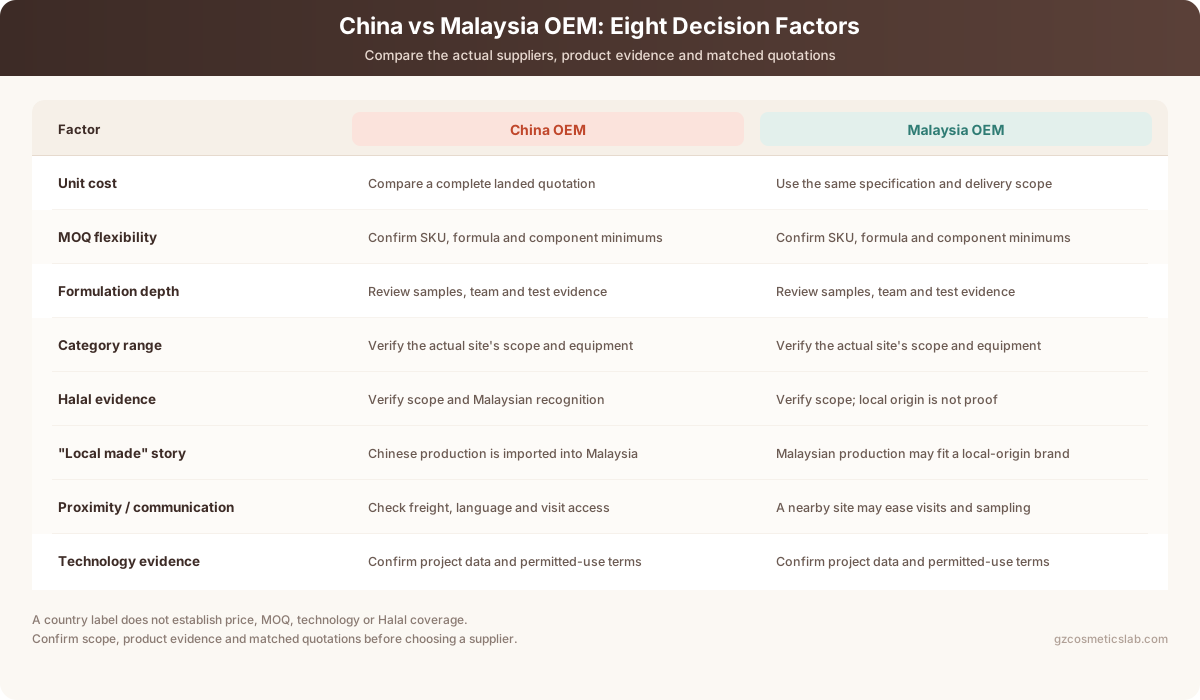
Chart by GZ Cosmetics Lab · Free to reuse with a link back to this page.
If you are a Malaysian brand - or an ASEAN brand targeting Malaysia - looking for an OEM skincare manufacturer, the first real decision is where to make your products: locally in Malaysia, or with a China-based OEM. Both are legitimate routes used by successful brands, and both have genuine strengths. This is an honest China vs Malaysia OEM skincare manufacturer comparison covering price, MOQ, formulation depth, Halal, quality, and logistics - so you can decide based on your brand's real situation rather than assumptions.
The short version: a Malaysian production site may fit a local-origin brand and frequent in-person work; a Chinese supplier may fit when its product range, project MOQ and landed quotation meet your brief. Neither location proves lower cost, better technology or Halal eligibility. Compare the actual factories and the same product specification before choosing.
The Bottom Line: Local Fit vs a Verified Landed Quote
A local Malaysian OEM can be the stronger choice when Malaysian production is part of your positioning or nearby sampling matters. A China OEM can be the stronger choice when its written quotation, approved samples, category capability and documentation make a better project fit. This guide is a procurement checklist, not a country-wide price survey: it does not establish an average cost or MOQ for either country.
Comparing local vs China manufacturing?
Tell us your product, target volume, and whether Halal is required. We'll give you an honest read on fit and realistic China OEM pricing.
China vs Malaysia at a Glance
| Factor | China OEM | Malaysia OEM |
|---|---|---|
| Unit cost | Compare a landed quote for your specification | Compare the same specification and delivery scope |
| MOQ flexibility | Confirm formula, SKU and component minimums | Confirm formula, SKU and component minimums |
| Formulation depth | Review relevant samples, team and test evidence | Review relevant samples, team and test evidence |
| Category range | Verify the actual site's scope and equipment | Verify the actual site's scope and equipment |
| Halal ecosystem | Verify certificate, scope and Malaysian recognition | Verify certificate and scope; local origin is not proof |
| "Local made" story | Chinese production is imported into Malaysia | Malaysian production may fit a local-origin brand |
| Proximity / communication | Check freight route, language and visit access | A nearby site may ease visits and sampling |
| Technology depth | Confirm project data and permitted-use terms | Confirm project data and permitted-use terms |
Each row is unpacked below, so you can judge the trade-offs against your own category, volume, and how central Halal is to your brand.
Unit Cost: China's Scale vs Local Pricing
A country name is not a usable cost benchmark. Ask both suppliers to quote the same formula or approved reference, fill size, packaging, decoration, tests and quantity per SKU. Then separate unit price from tooling, development, freight, import charges and local handling so the delivery scopes are comparable.
How to Test a Possible Scale Advantage
For cleansers, body care, sheet masks and serums, a supplier's component access and production batch can affect the quotation. Test that possible advantage with quotes at your intended first-order and reorder quantities. Include the actual freight route to Malaysia; do not assume a lower factory price remains lower after delivery.
Where Local Cost Is Justified
A local quotation may fit better when it reduces your total delivery or inventory commitment, or when verified Malaysian origin has value for your customers. Compare the actual project costs and confirm any Halal requirement separately; neither a smaller order nor local origin establishes a price advantage.
How Volume Shifts the Math
Request quantity breaks from both suppliers rather than assuming only one benefits from scale. Compare total cash committed, stock you can realistically sell, component minimums and replenishment timing as well as price per unit. A lower unit price is not a saving if it requires inventory your channel cannot absorb.
MOQ and First-Order Risk
MOQ shapes how much capital your first order ties up and how easily you can test the market.
China: Confirm the Minimum for Your Product
Our standard minimum is 3,000 units per SKU on stock packaging; specialist formats, formula requirements and custom components can require more. This is our project starting point, not a Chinese industry average. Check the relevant product specification and get the final formula, component and decoration minimums confirmed in the quotation.
Malaysia: Variable Minimums
Ask the Malaysian supplier for its current minimums at your chosen customization level. A nearby site may make sample review and negotiation easier, but neither a small laboratory nor local production guarantees a micro-run. Compare quantity per SKU, component commitments and the total first-order budget.
Formulation and Quality: It Is Not About the Country
A common assumption is that local means safer and imported means riskier. The reality is more nuanced and worth stating plainly.
Judge the Factory, Not the Flag
Quality must be checked at the actual production site. A certificate describes a quality system, not proof that your product performs better than another supplier's. Compare approved samples, specifications, stability and microbiological evidence, batch records and release responsibilities. Our skincare manufacturer buyer's checklist sets out the questions to ask before committing.
What China Brings: Breadth and Depth
A supplier with relevant skincare, sun care, body care and hair care experience may simplify a multi-category brief, but verify the actual site and formats rather than assuming capability from its country. We assess delivery-system options against the formula, target claim and available technical documentation. We do not claim them as our own inventions; any licensed technology, patent reference or performance claim is confirmed for the specific project before it is quoted or published. Our technology page explains this boundary.
Malaysia's Strengths
A Malaysian supplier may be an excellent fit when nearby development, local provenance or a documented Halal route matters to your project. Assess its relevant samples, technical team and site scope rather than assuming that a local laboratory has either narrower or stronger capability than a Chinese one.
Halal: A Decisive Factor in Malaysia
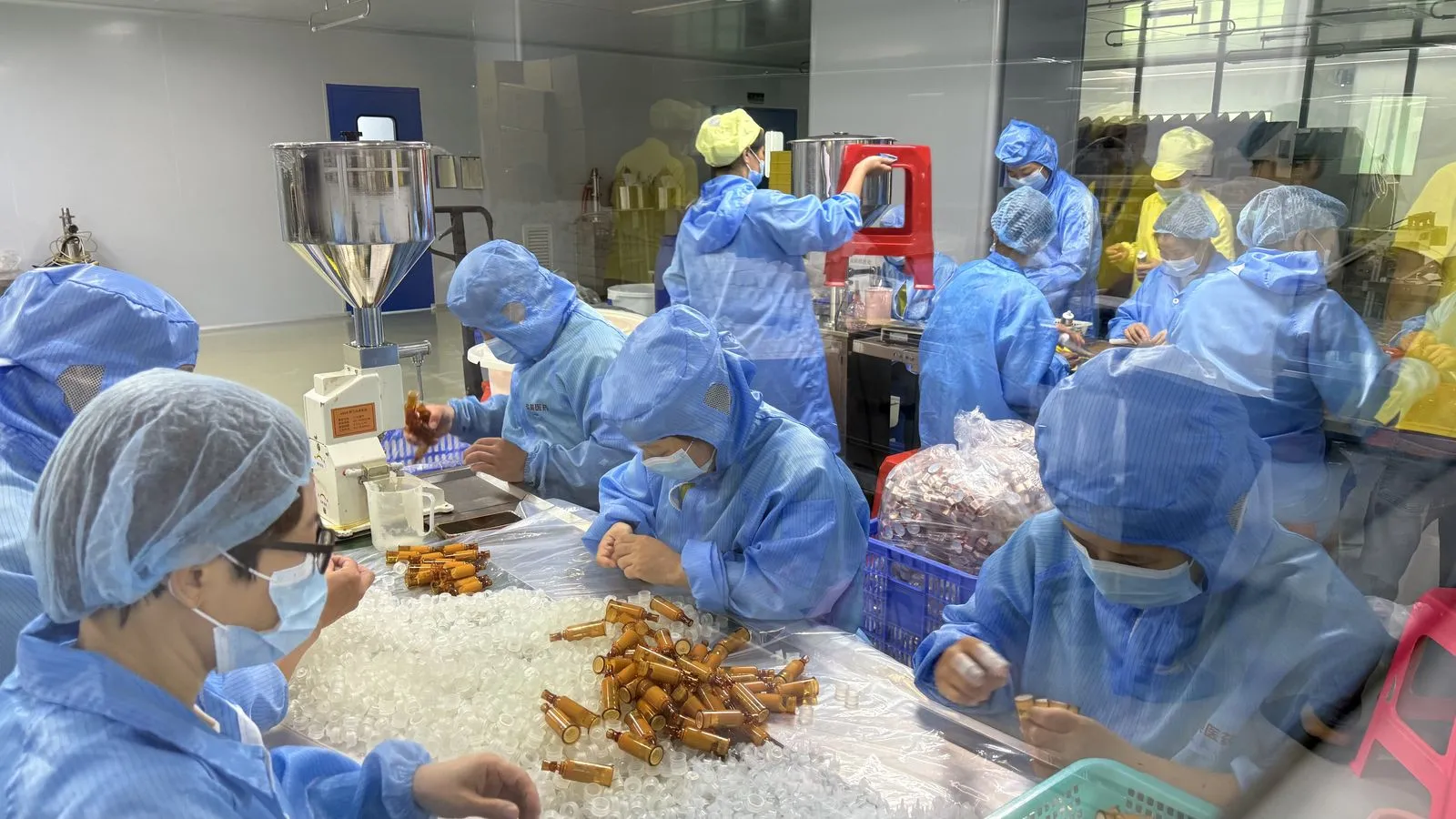
If Halal certification is part of your brand or channel requirements, treat it as a separate evidence check rather than a country advantage. Local production, a Halal logo and a general factory certificate do not by themselves confirm coverage for your product.
Malaysia's Native Halal Ecosystem
For a Malaysian supplier, request the current certificate, named production site, covered products and validity. Verify the applicable record and requirements with JAKIM before using a Halal claim. Malaysian origin alone does not establish that your formula or process is certified.
China Halal Capability
For a Chinese supplier, verify the issuing body, current Malaysian recognition, site, product and process scope rather than accepting a logo or a general factory claim. Ask how the proposed ingredients, shared equipment and cleaning records fit that scope. Our suitability for a Halal project must be confirmed from the documents for that project; this article is not a promise of JAKIM-recognized coverage.
How to Decide on Halal
Treat local provenance, Halal certification and price as three separate decisions. Verify the required certification first, confirm whether local production matters to your positioning, and then compare complete quotations. Also check NPRA's cosmetic requirements: a Halal certificate does not replace the cosmetic notification and safety-documentation work for Malaysia.
Logistics: Home Turf vs Short Shipping
Geography and logistics affect both cost and convenience, and here the two routes trade advantages.
Malaysia: Domestic Simplicity
A finished product manufactured and supplied within Malaysia does not need the same cross-border shipment as a China-made order. A nearby site can make visits and sample reviews easier. Confirm the actual production address, working language, local delivery scope and charges rather than assuming all domestic suppliers offer the same convenience.
China: Close and Efficient
For a China-made order, request a current freight quote, delivery terms, import-document checklist and destination handling estimate. Confirm the customs treatment with your importer or broker for the actual goods. Build the timeline from formula approval, packaging availability, testing, production and transport; this comparison does not promise a fixed brief-to-shelf period.
So Which Route Fits Your Brand?
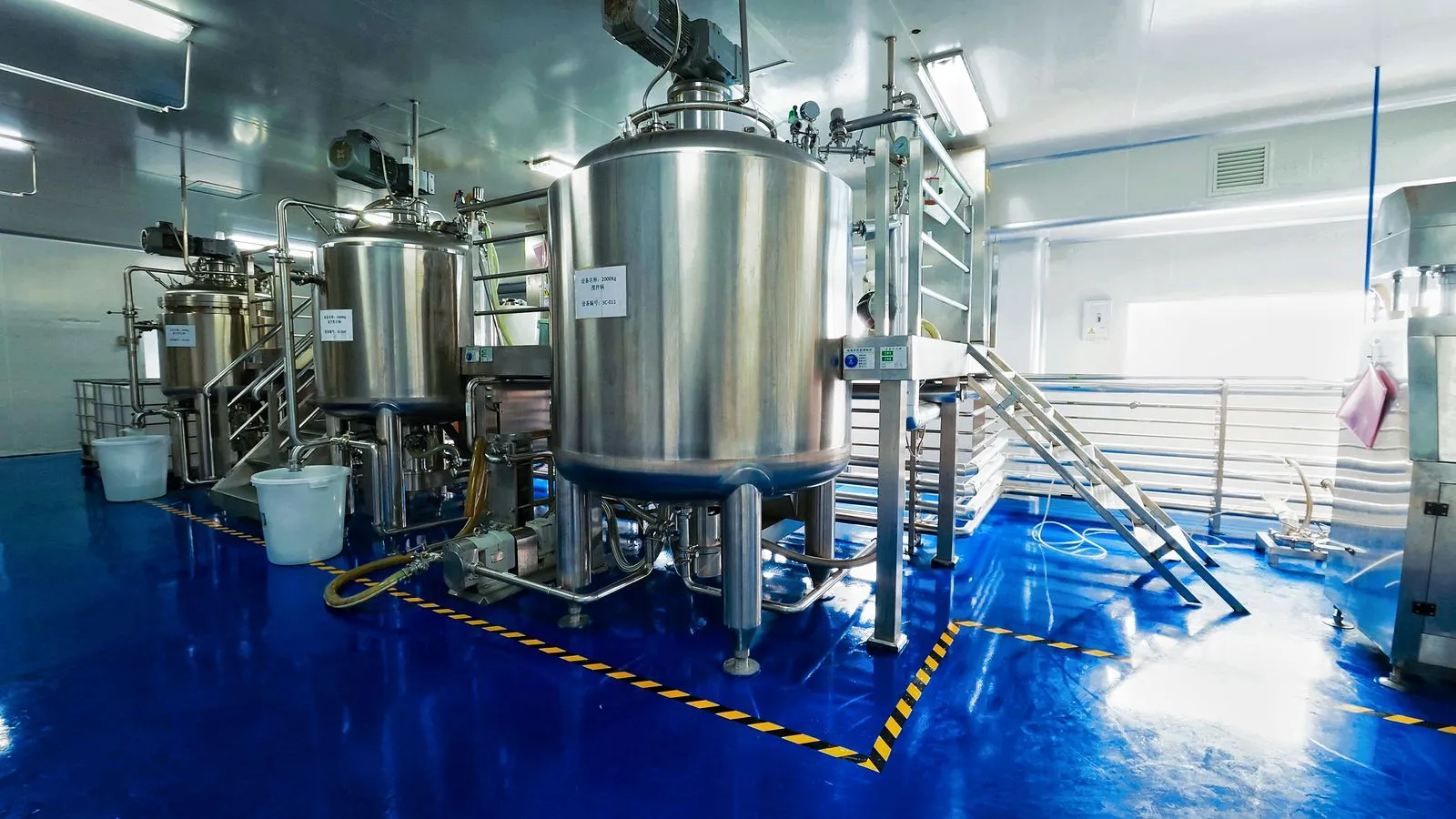
Rather than a universal winner, here is a practical decision guide for your situation.
Choose Malaysia (Local) If...
- The supplier's verified certificate and product scope meet your Halal requirement
- A "Made in Malaysia" story is important to your customers
- The actual site, working language and sample-review arrangements suit you
- The complete local quote and minimums fit your launch budget
- The supplier's verified scope covers your intended range
Lean China If...
- Unit cost and margin are important to your business model
- The supplier's verified site scope covers your intended categories
- The quoted MOQ fits your budget and expected sell-through
- Comparable landed quotes support your first order and reorders
- The supplier can show relevant formulation and technology evidence
- You can secure JAKIM-recognized Halal certification where required
The Both-Worlds Approach
You can assign different suppliers to different products: a locally made hero SKU where provenance matters, and another qualified supplier where its samples and quotation fit. Treat this as an option, not proof of a common or cheaper industry model. Check ownership, documentation, replenishment and consistency for each route. For the wider regional picture, see our guide on private label cosmetics in Malaysia and Singapore.
Why Malaysian Brands Choose Us
For brands considering us, the useful next step is to check the evidence and agreed scope for the actual project:
- ISO 22716 / GMPC - verify site and certificate scope, then agree the manufacturer-side documents for NPRA notification
- Halal project review - confirm certificate recognition and coverage for the actual site, formula and process before making a claim
- Project MOQ - our standard starting point is 3,000 units per SKU on stock packaging; specialist formats and custom components can require more
- Full-category capability - skincare, sun care, body care, and hair care under one roof
- Delivery-system assessment - suitability, permitted use and supporting data are confirmed per project; no generic patent ownership or efficacy guarantee
- Guangzhou production site - confirm the freight route, visit arrangements and delivery scope for your project
For a serum or body care brief, send the formula direction, intended pack, quantity per SKU and target market. Any Halal requirement needs its own certificate and scope review; a product category alone does not establish eligibility.
As a GMPC-certified Guangzhou-based OEM/ODM manufacturer operating since 2010, we help Malaysian and ASEAN brands manufacture competitively - and we will tell you honestly when local production might suit a project better.
Want a quote and an honest recommendation?
Send us your product, target volume, and Halal requirement. Within 24 hours, we'll reply with a quotation or the questions needed to prepare one.
The Verdict for Malaysian Brands
Neither route wins outright. A Malaysian site can fit a local-origin brand and nearby collaboration; a Chinese site can fit when its samples, licensed category scope, documentation and landed quotation meet your needs. Neither location guarantees lower MOQ, Halal eligibility or better formulation. If you are shortlisting China suppliers, our review of China's private label skincare manufacturers provides further questions about order size, formulation and certification.
Judge the individual factory, not the country, and let each product's positioning and economics decide. Request a quote or contact our team for an honest assessment. Explore related guides on OEM skincare manufacturing for Southeast Asian brands, how to choose a cosmetics manufacturer in China, and what private label cosmetics involves end to end.
Frequently Asked Questions
Is it cheaper to manufacture skincare in China or Malaysia?
There is no country-wide price conclusion in this guide. Compare written quotations for the same formula, fill size, components, decoration, tests and quantity, then include freight, import charges and local handling. A lower factory unit price does not by itself prove a lower landed cost.
Can a China OEM make Halal-certified products for Malaysia?
Do not infer eligibility from the country. Verify the current certification body's Malaysian recognition, certificate validity and the actual site, product and process scope. Confirm your ingredients and manufacturing route against the documents before making a Halal claim; a general certificate or logo is not enough.
Is local Malaysian manufacturing higher quality?
Not inherently. Compare the actual site's quality-system scope, relevant samples, specifications, tests and batch-release evidence. Neither local origin nor a certificate alone establishes that a finished product meets your requirements.
Which has lower MOQ?
Minimums vary by supplier and by formula, component and decoration. Compare quantity per SKU rather than total order quantity. Our standard minimum is 3,000 units per SKU on stock packaging; specialist formats and custom components can require more. Other suppliers' minimums must come from their current quotations.
Do I pay import duties bringing China-made products into Malaysia?
Ask your importer or customs broker to confirm the applicable tariff classification, origin, duties, taxes and documentation for the actual goods and delivery terms. Check the cosmetic notification requirements with NPRA separately. Include the confirmed import costs in the landed comparison; do not assume a lower factory price will offset them.
Can I use both local and China manufacturing?
Yes, you can use separate qualified suppliers if each product's ownership, quality and market-document responsibilities are clear. Compare the relevant quotations and avoid assuming that a split between a local hero product and a China-made range automatically reduces cost.
Ready to Start Your Project?
Tell us your product requirements. Within 24 hours, our technical team will reply with a quotation or the questions needed to prepare one.