
Cosmetics Technology Transfer: Moving to a New Factory
You have a formula that sells, and you want a different factory to make it. Maybe the price moved, maybe quality slipped, maybe you outgrew the current line. Whatever the reason, the job in front of you is a technology transfer: moving a formula from one manufacturer to another so the second one produces the same product to the same specification. It is not a copy-paste, and the brands that treat it as one are the brands that end up with a batch their customers notice.
This guide covers what physically and legally moves, why an unchanged formula still yields a different product on different equipment, how to requalify before you commit a purchase order, and how to run the handover without a gap on your shelves.
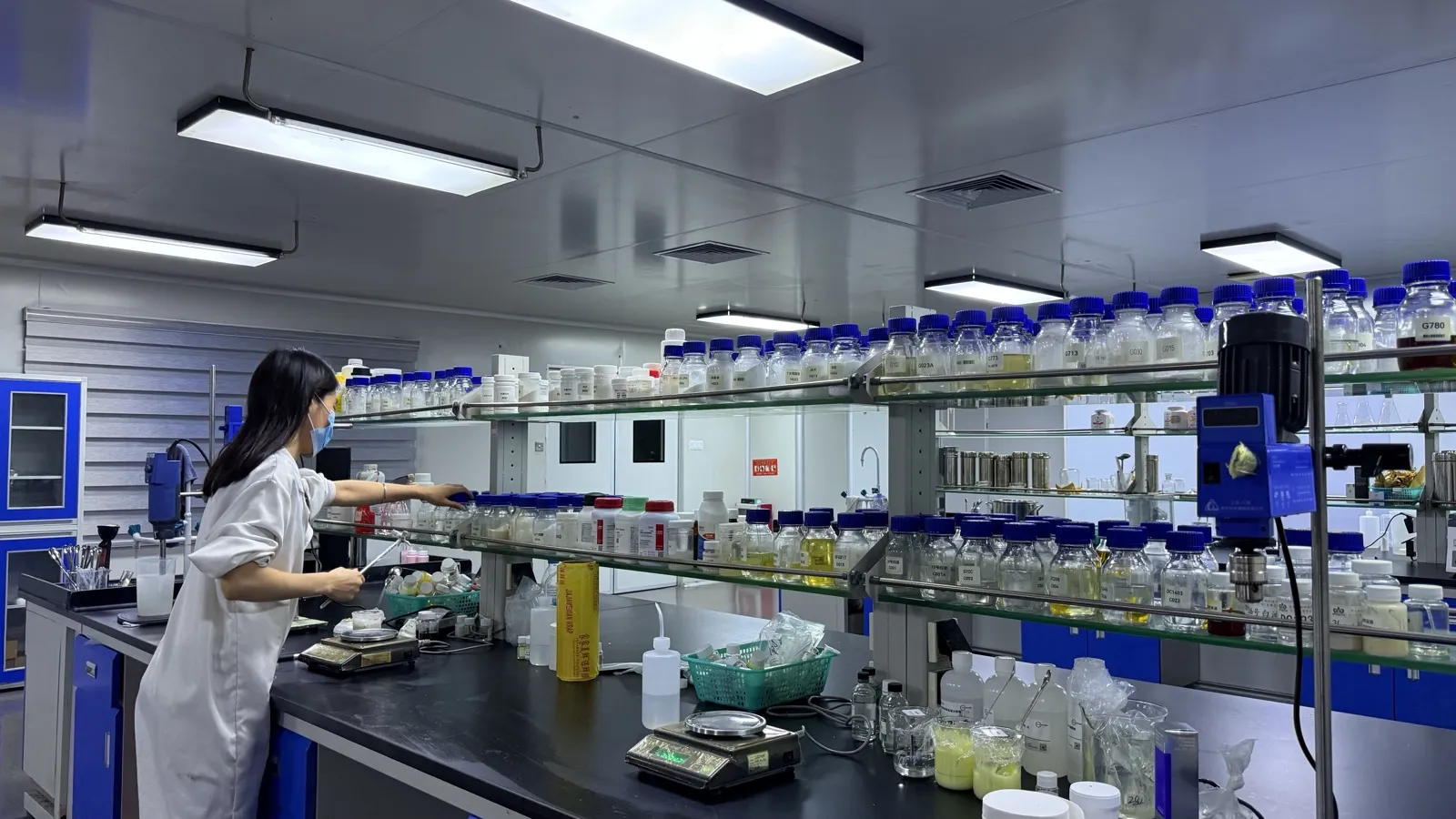
What Actually Moves, and What Does Not
Most transfer problems trace back to an incomplete handover package. A brand asks for "the formula", receives an ingredient list with percentages, hands it to the new factory, and discovers three months later that the list was the easy part. Split the package into three buckets before you ask for anything.
Documents: The Part People Remember to Ask For
- The quantitative formula, with every raw material named by INCI plus the trade name and the supplier. Two suppliers of the same INCI are not interchangeable. A carbomer from one source thickens differently from another at the same percentage. Judging whether a receiving factory can read and work from that level of detail is the core of verifying formulation capability.
- The master batch record, which is the manufacturing instruction: order of addition, mixing speeds and times, heating and cooling steps, hold points, in-process checks. This is the document that turns a list of ingredients into a product, and it is the one most often missing from what a brand actually holds.
- Finished product specification: appearance, pH, viscosity with the measurement method and temperature, density, microbiological limits. A viscosity number without the spindle, speed and temperature is not a specification, it is a memory.
- Raw material specifications and certificates of analysis for each input, so the new factory can buy to the same standard rather than to its own default grade.
- Stability and compatibility history, along with the packaging specification: substrate, closure, liner, decoration method.
Physical Items: The Part People Forget
Documents alone cannot tell the new factory what the product is supposed to feel like. Three physical things matter more than any datasheet:
- Retained samples of the current product, ideally from more than one batch and with their manufacturing dates. These are your reference standard. Without them, "the same as before" is an opinion.
- Raw material samples of anything unusual, so the new factory can match before it commits to a purchase quantity.
- Tooling: moulds for a compact or a stick, custom bottles, decoration plates. Tooling has an owner, and that owner is a contractual question rather than an obvious one. More on this below.
What Cannot Be Shipped
Here is the honest part. A share of what makes your current product work is not written down anywhere. It lives in the operators who know that this emulsion needs a slower cool-down in summer, in a homogeniser with a particular head geometry, in a water system with a specific hardness. That knowledge does not transfer with a document set, which is why a competent receiving factory will run trials rather than promise a match on paper.
Treat a supplier who says the transfer is trivial as a warning. The right answer to "can you make this?" is "send us the batch record and a retained sample and we will run a trial batch first". If you want the wider framework for judging a receiving factory, our guide to choosing a cosmetics manufacturer covers the verification steps that apply here too.
Why the Same Formula Makes a Different Product
This is the mechanism brands underestimate. Nothing about the formula changed, and yet the first batch from the new factory is slightly thinner, or the fragrance reads differently, or the cream breaks after a week at 40 degrees. Four common causes, none of them a formulation error:
- Shear is equipment-specific. A homogeniser at 3000 rpm in one plant does not deliver the same energy as a homogeniser at 3000 rpm in another, because the rotor and stator geometry, the vessel shape and the batch volume all change what the product experiences. Emulsion droplet size follows shear, and droplet size drives both texture and stability.
- Heating and cooling rates change with vessel size. A jacketed 200 kg tank cools faster than a 2000 kg tank. Cooling rate affects how crystalline structures set in anything containing waxes or fatty alcohols, which is why a body butter can go from smooth to grainy on scale-up with no recipe change at all.
- Scale is not linear. Mixing time that works at 50 kg may under-disperse at 1000 kg, because the ratio of impeller sweep to vessel volume changed. This is the single most common reason a pilot batch passes and the first production batch does not.
- Water is an ingredient. Purified water systems differ in hardness, ion profile and microbial baseline. That interacts with chelating agents, with preservative efficacy and with the appearance of anything transparent.
The practical consequence: a transfer is a process development exercise, not a procurement exercise. Budget for trial batches, and expect the receiving factory to adjust process parameters, not the formula, to land back on your specification. If it proposes changing the formula instead, ask why, because that changes what you have to re-test and possibly what your label says.
Not sure which route fits your product?
Send us your brief and our formulators will tell you what is realistic on formula, MOQ, and timeline before you commit to anything.
Requalification: Treat It as a New Product, Not a Copy
The same formula from a different factory is, for testing purposes, a new product. That sounds expensive. It is cheaper than the alternative, which is discovering a stability failure after the stock is in a warehouse and on sale.
What a defensible requalification covers:
- Side-by-side comparison against the retained reference. Not just pass or fail against specification, but the trial batch measured next to the current product on the same instruments on the same day. Two batches can both be in specification and still be visibly different.
- A stability re-run in the final packaging. Real time plus accelerated conditions. Ask the receiving factory for its protocol rather than accepting a number from us, because the conditions and duration depend on your formula type, your claims and your target markets. Our guide to cosmetic stability testing explains what the study is actually looking for.
- Preservative efficacy testing, repeated. This is the test brands most often skip on the argument that the formula is unchanged. Preservative performance depends on the water system, the equipment hygiene and the raw material bioburden, all of which just changed. It is the single most consequential test in a transfer.
- Packaging compatibility, if the fill process or the packaging supplier changed with the factory.
- A first-production-batch review rather than only a pilot review, because scale effects appear at scale.
Two scheduling implications. First, real-time stability takes as long as it takes, so the decision to transfer has to be made well before you need the stock. Second, the sensible sequence is trial batch, comparison, stability start, then commit the production order, with an interim release based on accelerated data only if you accept the risk knowingly. Compressing this sequence is the most common way a transfer goes wrong.

What Your Current Contract Lets You Take
Before you approach a second factory, read what you signed with the first one. Four clauses decide how much of the package is actually yours to move, and whether you can move it on your schedule:
- The exit clause and notice period. How much notice you owe, whether there is a minimum remaining commitment, and what happens to raw materials the factory bought for you. A notice period you did not plan for can add a quarter to the timeline.
- Ownership of the batch record. Ownership of the formula and ownership of the manufacturing instruction are two different questions, and the second is the one that gets left out. A brand can own a formula outright and still have no contractual right to the process document that makes it reproducible.
- Tooling ownership. If you paid for a mould, say so in writing and check that the contract agrees. If the factory paid, expect to buy new tooling and add its lead time to your plan.
- Confidentiality running the other way. Some agreements restrict what you may disclose about the process to a third party, which is exactly what a transfer requires you to do.
On the underlying question of who owns a formula in the first place, and how that shows up in a quote, our breakdown of skincare formulation cost covers it properly. The point here is narrower: ownership determines what you can hand over, so settle it before you start negotiating with anyone new.
One piece of practical advice that costs nothing. If you are signing a manufacturing agreement today, ask for a transfer-support clause: on termination, the factory provides the batch record, raw material specifications with suppliers, and retained samples. It is uncontroversial at signing and close to impossible to get later.
Running Two Factories During the Handover
The gap between the last batch from the old factory and the first qualified batch from the new one is where transfers fail commercially rather than technically. Three things to plan:
- Build the bridge stock before you give notice. Work backwards from your sales rate, add the new factory lead time, add the requalification schedule, then add a buffer for a failed trial batch. Order that quantity from the incumbent while the relationship is still normal.
- Overlap rather than switch. Keeping the old factory qualified while the new one ramps costs a little in minimum order quantities and gives you somewhere to go if the trial fails. Dual sourcing is expensive as a permanent state for a small brand, but as a transition state it is insurance.
- Decide how you handle two versions in the market. Batch codes will differ, and if there is any perceptible difference you want to know which code a complaint refers to. Keep retained samples from both factories for the whole shelf life.
A note on second sourcing as a strategy rather than a transition. Running a formula at two factories permanently doubles your qualification work and splits your volume, which weakens your position on price at both. For most brands below a few container loads a year, a single qualified factory plus a documented transfer package is the better trade, because the package is what makes a future move fast.
Where the Regulatory File Names the Factory
Changing who manufactures your product can change your regulatory filings, because several regimes record the manufacturing site rather than only the brand. This is separate from the question of changing manufacturing country, which brings its own documentation and labelling consequences and which we cover in our guide to Korean cosmetics OEM alternatives.
For the United States, the position is documented and worth being precise about. Under the Modernization of Cosmetics Regulation Act, facility registration and product listing are two separate submissions: Form FDA 5066 is the Registration of Cosmetic Product Facility, and Form FDA 5067 is the Cosmetic Product Listing. The FDA states that manufacturers and processors must register their facilities and renew biennially, that is every two years, under section 607(a)(2) of the FD and C Act, with an abbreviated renewal available under section 607(a)(5) when nothing has changed since the last submission. The agency defines a facility as any establishment, including an establishment of an importer, that manufactures or processes cosmetic products distributed in the United States, and the responsible person as the manufacturer, packer or distributor whose name appears on the label.
Two points from the FDA that are easy to get wrong. The agency states that assignment of a facility registration number or product listing number does not indicate FDA approval of the facility or its products, so treat a supplier who presents a registration number as an approval claim accordingly. And as of a September 2026 FDA notice, the agency does not provide certificates or other documents to verify compliance for cosmetic product facility registration, which means any "FDA compliance certificate" offered to you did not come from the FDA. Registration status and renewal date are visible in the Cosmetics Direct portal.
For the European Union and for ASEAN notification routes, the notification records information about the manufacturer, but we are not going to state the specific field names or update deadlines here, because we could not retrieve them from a primary source at the time of writing and a wrong field name is worse than no field name. Confirm those two things directly: for the EU, check the CPNP notification record against the current consolidated text of Regulation (EC) No 1223/2009 on EUR-Lex; for ASEAN markets, check with the notification authority in each country, since the implementation differs. Ask your responsible person or local agent to tell you in writing which fields change and what the deadline is, before the first batch ships.
The operating rule that survives every rule change: ask who updates each filing and by when, and get the answer in writing. Your new factory will not do it for you unless it is also your responsible person, and in most arrangements it is not.

Frequently Asked Questions
How long does a cosmetics technology transfer take?
The schedule is set by your stability study, not by the factory. Documentation review and a trial batch can be quick. Real-time stability in the final packaging cannot be shortened, so ask the receiving factory for its protocol and work backwards from that, adding the notice period you owe your current supplier and a buffer for a failed first trial.
Do I need to repeat safety and stability testing if the formula is unchanged?
Stability and preservative efficacy, yes, in practice. Both depend on equipment, water system and raw material sourcing rather than on the ingredient list alone, and all three changed. Whether your safety assessment needs revisiting depends on your market and on what changed beyond the site, so put that question to whoever holds your product file.
What if I do not have the master batch record?
This is common, and it is the main thing that turns a transfer into a redevelopment. If your contract does not give you a right to it, the realistic path is to give the new factory retained samples and a target specification and let it develop a process that matches. That is slower and it means the new factory owns the resulting process, which you should settle in the new contract rather than discover later.
Should I tell the new factory who currently makes the product?
You do not have to name them, and there is rarely a reason to. What the receiving factory needs is the batch record, the specification and a retained sample. Check your existing confidentiality obligations before disclosing process detail to a third party.
Can I transfer only part of my range?
Yes, and it is often the sensible way to start. Move one product that is technically straightforward and commercially forgiving, judge the receiving factory on real work rather than on a capability presentation, then move the rest. The distinction between an OEM and an ODM arrangement also decides how much of the package you are entitled to move. A transfer is the best audit of a supplier you will ever run.
Getting a Usable Quote for a Transfer
A transfer quote should look different from a new development quote, and it should be itemised. Ask for the trial batch cost and whether it is credited against the first production order, the requalification testing scope and who pays, tooling if any is needed, the minimum order quantity at the new site, and the lead time measured from an approved trial rather than from the purchase order. A single number for "transfer" hides all five.
If you are weighing a move, the useful first step is sending the documentation you actually hold, not the documentation you wish you had, so the gaps get identified before a schedule is built around them. Browse our product categories to see the formats we already run, read what our manufacturing services cover on the process and documentation side, and when you are ready, send us your specification and a retained sample and we will tell you what a trial batch and requalification would involve before quoting a production price.
One last thing worth saying plainly, and we manufacture, so read it with that in mind: a transfer done properly costs money and time up front and buys you a documented, reproducible product that can be moved again. A transfer done as a purchase order buys you a cheaper unit price and an unknown. The brands that survive their second factory are the ones that built the package during the first one.
Ready to Start Your Project?
Tell us your product requirements. Our technical team responds within 24 hours with a detailed quotation.